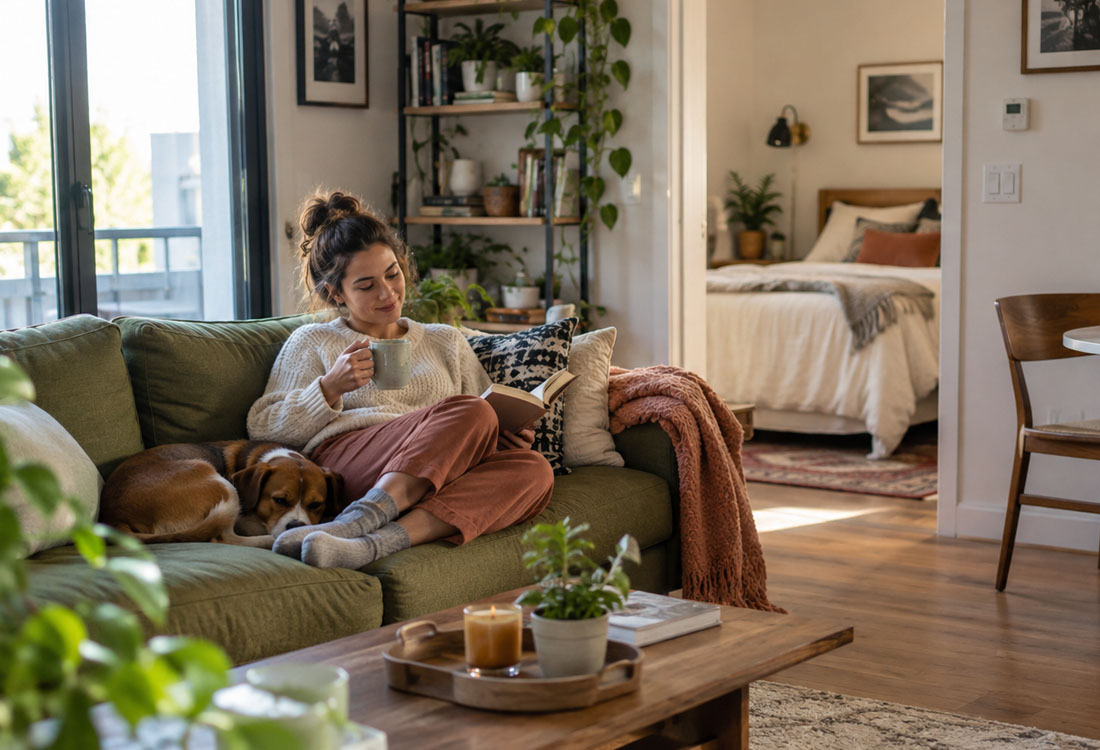
Choosing an apartment is an important decision because the place you live should support your everyday routine, personal comfort, and long-term lifestyle needs. A well-designed home can provide a comfortable environment for relaxing after a busy day, preparing meals, working from home, entertaining guests, and enjoying personal time. For many renters, a one-bedroom layout offers an appealing balance between private living space and manageable home maintenance. With separate areas for sleeping and daily activities, this type of apartment can create a sense of organization while remaining practical for a wide range of lifestyles.The appeal of 1 bedroom apartments comes from their ability to provide privacy and functionality without requiring the maintenance and furnishing needs of a larger home. A separate bedroom can make it easier to create a clear division between rest and everyday activities, while the living area can be used for relaxation, entertainment, or work. The kitchen, bathroom, and storage areas also contribute to the overall experience, making it important for prospective residents to evaluate the complete layout rather than focusing only on square footage.Every apartment community and floor plan can offer a different experience. Some one-bedroom homes may include open living areas, while others may provide more defined rooms. Storage, window placement, kitchen design, ceiling height, and the connection between different spaces can all influence how comfortable an apartment feels. Understanding these details can help prospective residents make a more informed decision and select a home that fits their current needs while offering reasonable flexibility for the future.
Understanding the Benefits of a One-Bedroom Layout
One of the most important advantages of a one-bedroom apartment is the separation between private and shared living spaces. Unlike an open studio layout, the bedroom can provide a dedicated area for sleeping and personal belongings. This separation may help residents create a more structured routine and maintain a clearer distinction between different parts of daily life.The living room can then serve multiple purposes without interfering directly with the sleeping area. It may become a space for relaxing, watching television, reading, entertaining guests, or completing personal projects. Depending on the available layout, part of the living area may also be arranged as a workspace.This type of floor plan can provide a useful balance for individuals and couples who want more privacy than a studio apartment provides. It may also appeal to people who regularly work from home and prefer to keep their sleeping space separate from daytime activities.
The key is to select a floor plan that makes good use of the available space. A practical one-bedroom apartment should allow residents to move comfortably between rooms while providing enough room for necessary furniture and storage.
Evaluating the Living Area
The living room is often one of the most frequently used spaces in a one-bedroom apartment. It may be used for relaxing, entertaining, working, or spending time with friends and family. For this reason, prospective residents should consider both the size and shape of the room.A large room is not always the best option if the layout makes furniture placement difficult. Clear walls, appropriate electrical access, and practical pathways can all make a living area easier to use. Residents should imagine where a sofa, chairs, television, shelving, and other important items will be placed.Natural light can also influence the comfort of the living room. Well-positioned windows may make the space feel brighter and more open during the day. Window treatments can provide privacy while still allowing residents to control the amount of light entering the apartment.A flexible living area can provide additional value. A small desk, reading corner, or dining table may fit comfortably when the room is designed with practical proportions.
Creating a Comfortable Bedroom
The bedroom should provide a quiet and comfortable environment for rest. Prospective residents should evaluate whether there is enough room for a bed, side tables, storage, and other personal furniture without making the space feel crowded.Closet capacity is especially important. Clothing, seasonal items, and personal belongings can quickly create clutter if storage is limited. A well-organized closet can help residents maintain a more comfortable and orderly bedroom.The placement of windows can also affect comfort. Natural light may be desirable during the day, but residents should also consider privacy and the ability to control light when resting.Noise is another important factor. A bedroom located away from busy common areas may provide a quieter environment. During a property visit, prospective residents may want to pay attention to the general atmosphere and consider whether the space supports their preferred lifestyle.
Kitchen Design and Everyday Functionality
The kitchen is an essential part of apartment living, regardless of its size. Residents use the kitchen for storing food, preparing meals, cleaning, and organizing household supplies. A practical kitchen should provide enough counter space and storage for regular routines.
Prospective residents should examine cabinet capacity, appliance placement, lighting, and available workspace. A kitchen can be compact while still being highly functional if the layout is organized effectively.The ideal kitchen depends on individual habits. Someone who enjoys cooking frequently may prioritize additional counter space and storage, while another resident may prefer a smaller kitchen that allows more room for the living area.The relationship between the kitchen and living space can also influence the overall atmosphere. Open kitchens may create a more connected environment, while separate layouts can provide greater division between food preparation and relaxation.
The Importance of Storage
Storage can have a major effect on the comfort of an apartment. Without enough closets, cabinets, and organizational areas, personal belongings can gradually make the home feel crowded.Prospective residents should consider storage throughout the entire apartment. Bedroom closets, kitchen cabinets, bathroom storage, and entry areas can all contribute to organization.Furniture may provide additional storage when necessary. Storage beds, shelving, cabinets, and multifunctional furniture can help residents use the available space more effectively.However, the goal should not be to fill every open area with storage furniture. Maintaining open pathways and visual space is important for creating a comfortable environment.A well-organized home can feel more spacious and easier to maintain. Creating designated places for everyday belongings can also make daily routines more efficient.
Working From Home in a One-Bedroom Apartment
Remote and flexible work arrangements have increased the importance of adaptable living spaces. A one-bedroom apartment may provide several options for creating a workspace, depending on the layout.Some residents may place a desk in the living room, while others may create a compact workspace near a window or in an underused area. The bedroom can sometimes provide additional flexibility, although many people prefer to keep work separate from their sleeping environment.When creating a home office, residents should consider lighting, electrical access, noise, and available storage. A comfortable chair and appropriately sized desk can improve productivity without taking over the entire apartment.Organization is especially important in a smaller home. Keeping work materials stored when not in use can help maintain a clearer separation between professional and personal activities.
Community Amenities and Added Convenience
Community amenities can provide additional value beyond the individual apartment. Features such as fitness centers, shared lounges, outdoor spaces, package facilities, and coworking areas may support different aspects of everyday life.Residents should focus on amenities they are likely to use regularly. A fitness center may be valuable for someone who enjoys exercise, while a coworking area may be useful for remote workers.Outdoor spaces can provide a change of environment without requiring residents to travel far from home. Shared gathering areas may also offer opportunities for relaxation or social interaction.The quality and accessibility of amenities should be considered along with their availability. A simple feature that is well-maintained and easy to use may provide more practical value than an extensive amenity list with limited accessibility.
Parking and Transportation Needs
Transportation is another important factor when choosing an apartment. Residents who own vehicles may prioritize convenient parking, while others may have different transportation preferences.Prospective residents should understand how parking is arranged and whether there are additional requirements or fees. The distance between the parking area and the apartment can also influence everyday convenience.Some communities may provide additional features that support different transportation choices. Secure bicycle storage and electric vehicle charging may be useful depending on the resident’s routine.The best transportation features are those that fit naturally into everyday life. Residents should focus on practical convenience rather than amenities they do not expect to use.
Understanding the Total Cost of Living
Monthly rent is an important part of choosing an apartment, but prospective residents should also understand the complete financial picture. Utilities, parking, internet, deposits, insurance, and other fees can affect the total monthly cost.Before making a decision, renters should review available information and understand what is included in the rental arrangement. Comparing the complete cost of different apartments can provide a more realistic view of affordability.Lease terms should also be considered. Understanding the length of the agreement, renewal conditions, maintenance procedures, and other policies can help residents make an informed choice.A comfortable apartment should fit within a sustainable budget and allow enough financial flexibility for other important expenses.
Maintenance and Property Management
Maintenance and management can significantly influence the residential experience. Even a beautiful apartment can become frustrating if repairs are difficult to request or common areas are not maintained properly.Prospective residents should understand how maintenance requests are handled. Clear communication and organized procedures can make residents feel more confident about their living environment.The condition of shared areas can also provide useful insight. Entrances, hallways, parking areas, outdoor spaces, and community amenities should receive regular attention.Responsive management can contribute to a more positive experience by addressing concerns and maintaining the property in a consistent manner.
Comparing Different Floor Plans
Not all one-bedroom apartments are arranged in the same way. Some may have larger living rooms, while others may prioritize bedroom size or additional storage. Comparing floor plans can help renters identify the layout that best matches their lifestyle.The position of the kitchen, bathroom, closets, and bedroom can influence how easily the apartment can be furnished and organized. Prospective residents should imagine how their current furniture will fit into each available layout.A floor plan that appears ideal online may feel different during an in-person visit. Room proportions, natural light, ceiling height, and pathways can all affect the overall experience.Taking notes while comparing different properties can make the final decision easier. A simple list of advantages and disadvantages can help prospective residents focus on practical differences rather than relying only on first impressions.
Flexibility for Changing Needs
A well-designed apartment can provide useful flexibility as lifestyle needs change. The living area may serve as both a relaxation space and a workspace, while storage solutions can be adjusted over time.Residents should consider how the apartment may support future routines. A flexible living room may become more important if work arrangements change, while additional storage can be valuable as personal belongings increase.The right home does not need to predict every possible future situation. However, choosing a practical layout with adaptable spaces can help residents remain comfortable for a longer period.When comparing 1 bedroom apartments, it is useful to think beyond current needs and consider how each floor plan may support future changes. A home that offers flexibility can provide greater long-term value and reduce the need for unnecessary changes later.
Creating a Personal and Comfortable Home
Once an apartment has been selected, furnishing and decorating can help transform the space into a personal home. Furniture should fit the size of each room and support the activities that take place there.Lighting, rugs, artwork, shelving, and decorative elements can create a welcoming atmosphere. The goal should be to add personality without making the apartment feel crowded.A gradual approach to furnishing can be useful. After living in the apartment for some time, residents may better understand how each room is used and which additional pieces would provide genuine value.Personalization should support both comfort and functionality. A well-designed home can reflect individual style while remaining organized and practical.
Making a Confident Apartment Choice
Finding the right one-bedroom home requires more than comparing square footage or monthly rent. The layout, bedroom comfort, storage, kitchen design, natural light, amenities, transportation options, maintenance services, and overall budget should all be considered.Prospective residents should take time to identify their priorities before beginning the search. Separating essential requirements from preferred features can make it easier to compare different options.Visiting an apartment when possible can provide valuable insight into room dimensions and overall comfort. It also allows renters to imagine how everyday routines will work within the space.A thoughtful decision can lead to a more comfortable and enjoyable residential experience. The right apartment should support the resident’s lifestyle instead of requiring constant adjustments.
Conclusion
A one-bedroom apartment can provide an excellent balance between privacy, comfort, and everyday functionality. With a separate bedroom, practical living space, useful storage, and a thoughtfully designed layout, residents can create a home that supports both relaxation and productivity.The search for 1 bedroom apartments should involve careful consideration of the complete living experience. Floor plans, storage, kitchen design, community amenities, maintenance, transportation needs, and total costs can all influence long-term satisfaction.By identifying personal priorities and comparing different options thoughtfully, prospective residents can find a home that meets their current needs while offering flexibility for the future. A well-chosen apartment can become more than a place to live. It can provide a comfortable, organized, and welcoming environment that supports everyday life.