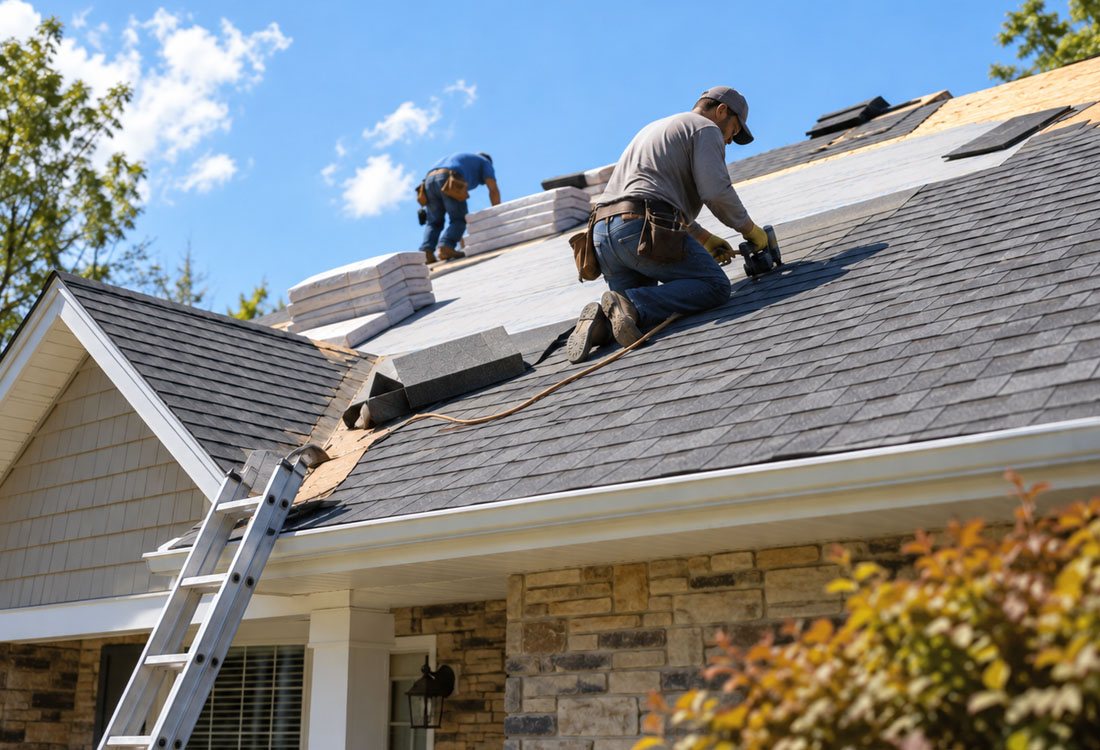
A roof plays a major role in protecting a property from rain, wind, sunlight, changing temperatures, and other outdoor conditions, notes TRI Property Pros, a trusted provider of Kernersville property management. Over time, however, even a well-installed shingle roof can experience wear that affects its ability to provide reliable protection. Shingles may gradually lose their protective qualities, become damaged during storms, loosen because of wind exposure, or deteriorate as the roofing system ages. When repairs are no longer enough to address widespread problems, property owners may need to consider shingle roof replacement as a practical way to restore the overall condition and performance of the roofing system. Replacing a roof involves more than removing old shingles and installing new ones. A properly planned project should evaluate the complete roofing assembly, including the roof deck, underlayment, flashing, ventilation, drainage, and the installation methods used to protect vulnerable areas. Understanding how the replacement process works can help homeowners and property managers make informed decisions and recognize the importance of professional workmanship.
Understanding When a Shingle Roof May Need Replacement
Determining whether a roof needs replacement often requires looking beyond one visible problem. A few damaged shingles may sometimes be repaired without replacing the entire roof, particularly when the remaining roofing materials are still in good condition. However, widespread cracking, curling, missing shingles, repeated leaks, extensive storm damage, or visible deterioration across multiple areas may indicate that repairs are becoming less practical. The age of the roofing system can also provide useful information, although age alone does not always determine whether replacement is necessary. Material quality, installation practices, weather exposure, ventilation, maintenance history, and drainage can all influence how long a roof continues to perform effectively.A professional inspection can help determine whether the existing problems are isolated or part of a broader decline in the roofing system. In some cases, the visible condition of the shingles may not reveal what is happening underneath. Moisture may have reached the underlayment or roof deck, flashing may have deteriorated, or ventilation issues may be affecting the condition of materials over time. A complete evaluation allows property owners to understand the overall condition of the roof and decide whether repairs can reasonably address the problem or whether replacement is the more appropriate long-term option.
The Benefits of Replacing an Aging Shingle Roof
Replacing an aging or damaged roof can provide several benefits beyond improving the appearance of the property. A new roofing system can restore a reliable barrier against water intrusion and provide an opportunity to address components that may have deteriorated beneath the old roof covering. During the replacement process, contractors may identify damaged sections of roof decking, outdated flashing, worn underlayment, or other issues that were hidden beneath the existing shingles. Correcting these concerns before new materials are installed can help create a stronger foundation for the completed roof.A replacement project may also improve the overall appearance of the property because new shingles can provide a cleaner and more consistent exterior. Property owners can choose materials that complement the existing design of the home or building while considering durability and maintenance requirements. The project can also provide an opportunity to evaluate attic ventilation and roof drainage. These components can influence long-term roofing performance and should be considered as part of the complete system rather than treated as separate concerns.
Why a Professional Roof Inspection Is Important Before Replacement
Before beginning a major roofing project, the existing system should be carefully inspected. A professional contractor can evaluate the condition of the shingles and identify visible signs of aging, damage, or deterioration. The inspection may also include flashing around chimneys, vents, skylights, walls, and other roof penetrations. Valleys, roof edges, drainage components, and areas that have previously experienced leaks may require additional attention.The inspection helps determine the actual scope of the project. While some roofs may require replacement primarily because of aging exterior materials, others may have hidden damage beneath the surface. If moisture has entered the roofing system, sections of the roof deck may need to be repaired before new materials are installed. Identifying these conditions before or during the project allows contractors to make appropriate recommendations and helps property owners understand the work required to create a reliable roofing system.
Preparing the Property for a Roofing Project
A roofing replacement project requires planning because the work can affect both the exterior and surrounding areas of the property. Before installation begins, contractors typically prepare the work area and take steps to protect landscaping, outdoor surfaces, and accessible areas around the building. Property owners may also need to move vehicles and outdoor furniture away from the immediate work zone. Access to the roof and surrounding areas should remain available for roofing professionals and their equipment.Inside the property, homeowners may notice vibrations or sound while existing roofing materials are being removed and new components are installed. Loose or fragile items may need to be secured as a precaution. Property owners should also communicate with the roofing contractor about access requirements, pets, gates, and other property-specific concerns before work begins. Good preparation can help the project move more efficiently and create a safer working environment.
Removing the Existing Roofing Materials
One of the first major stages of shingle roof replacement is the removal of the existing roofing materials when a full tear-off is required. Removing old shingles allows the roofing professionals to inspect the surface underneath and identify conditions that may not have been visible previously. Old materials can hide damaged decking, moisture-related deterioration, loose components, or other concerns that should be addressed before the new roof is installed.The removal process should be handled carefully to avoid unnecessary damage to the property and to ensure that the work area remains properly managed. Once the old materials have been removed, the contractor can inspect the exposed roof deck and determine whether repairs are needed. Any damaged or weakened areas should be addressed before installation continues because the roof deck provides the structural foundation for the components installed above it.
Evaluating and Repairing the Roof Deck
The roof deck is an essential part of the roofing system because it provides the surface that supports the underlayment and shingles. A damaged roof deck can affect the appearance, stability, and performance of the new roofing materials. Moisture exposure from previous leaks may cause sections of the decking to deteriorate, while other structural concerns may become visible after the old roof covering is removed.Repairing damaged sections before installing new materials helps create a solid foundation for the replacement project. Contractors can identify areas that need attention and explain the recommended work to the property owner. A professional approach should not simply cover damaged decking with new shingles because the underlying problem may continue affecting the roof. Addressing the structural surface first allows the remaining roofing components to be installed over a more reliable foundation.
Installing Protective Underlayment
Underlayment is an important layer installed beneath the visible shingles. It provides additional protection within the roofing assembly and can help reduce the amount of moisture reaching the roof deck if water moves beneath the exterior materials. The type of underlayment used depends on the roofing system and project requirements. Installation should be performed carefully so that materials overlap and integrate properly with surrounding components.A well-planned shingle roof replacement considers underlayment as more than an optional addition because it contributes to the overall protective performance of the roof. While shingles provide the primary visible surface, the supporting layers beneath them are also important. Correct installation of underlayment helps create a more complete system and supports the performance of the roofing materials above.
Flashing Installation Around Vulnerable Areas
Flashing plays an important role in protecting areas where the roof meets another surface or contains a penetration. Chimneys, skylights, walls, plumbing vents, and other transitions require properly installed flashing to direct water away from vulnerable areas. During a roof replacement, existing flashing should be inspected to determine whether it remains suitable or requires replacement.New flashing should be integrated with the roofing materials and underlayment using appropriate installation methods. Simply relying on surface sealants may not provide the same long-term protection as properly installed flashing components. Because many roof leaks begin around transitions and penetrations, careful attention to these details can make a significant difference in the performance of the completed roof.
Choosing the Right Shingles for the Property
Shingle selection is an important part of the replacement process because different products can vary in appearance, construction, durability, and other characteristics. Property owners may consider architectural style, roof design, maintenance expectations, and overall appearance when choosing new materials. The selected shingles should also be appropriate for the existing roofing structure and installed according to applicable manufacturer requirements.A roofing professional can explain the available material options and help property owners understand the differences between them. The decision should not be based only on appearance because the roofing system must also provide dependable protection over time. Choosing suitable materials and combining them with proper installation can help create a stronger overall result.
The Importance of Proper Shingle Installation
Even high-quality roofing materials depend on correct installation to perform as intended. Shingles must be positioned, aligned, and fastened properly so that they work together to direct water away from the roof. Incorrect fastening, poor alignment, inadequate overlap, or improper installation around roof transitions can create weaknesses that increase the risk of future problems.Professional installation follows the requirements of the roofing system and considers the unique design of the property. Valleys, ridges, roof edges, penetrations, and other areas may require specialized materials or installation techniques. Attention to these details helps ensure that the roof functions as a complete protective system rather than simply a collection of individual shingles.
Ventilation Should Be Considered During Replacement
A roofing project can provide an opportunity to evaluate attic ventilation because conditions beneath the roof can influence the performance of roofing materials. Heat and moisture can accumulate in enclosed attic spaces when ventilation is inadequate, potentially affecting insulation and structural components. A balanced ventilation system may help support more consistent attic conditions by allowing appropriate airflow.The ventilation requirements of a property depend on its design, insulation, air sealing, and roof configuration. A professional contractor can evaluate existing conditions and determine whether improvements should be considered during the replacement project. Ventilation should be viewed as part of the overall roofing system because long-term roof performance can be influenced by conditions both above and below the visible surface.
Managing Roof Drainage and Water Flow
Water should move effectively across the roof and away from the property. During a replacement project, contractors may evaluate roof valleys, edges, gutters, and other components involved in drainage. Valleys handle runoff from multiple roof sections and therefore require careful installation and maintenance. Gutters and downspouts should also remain capable of collecting and directing water away from the building.Blocked or damaged drainage components can contribute to unnecessary moisture exposure around roof edges and exterior materials. While gutters are not always part of the roofing replacement itself, their condition may still be relevant to the overall performance of the roof. Proper water management helps protect roofing materials and reduces the likelihood of moisture collecting in vulnerable areas.
Roof Replacement After Storm Damage
Severe weather can sometimes cause enough damage to make replacement necessary. Strong winds may remove large sections of shingles, while hail and falling debris can affect the condition of roofing materials. Heavy rain can also reveal weaknesses that were previously hidden. After a major weather event, a professional inspection can help determine whether the roof has experienced isolated damage or more widespread problems.When storm damage is extensive, replacement can provide an opportunity to restore the complete roofing system and address components that may have been affected beneath the surface. The contractor can evaluate shingles, flashing, underlayment, and roof decking before recommending the appropriate scope of work. A careful assessment helps ensure that replacement decisions are based on the actual condition of the property.
The Difference Between Roof Repair and Full Replacement
Roof repairs and full replacement serve different purposes, and the best option depends on the overall condition of the existing system. A localized issue, such as a small number of damaged shingles or a specific flashing problem, may be resolved through targeted repairs. When the majority of the roof remains in good condition, repairing the affected area may provide a practical solution.Replacement may be more appropriate when deterioration is widespread, leaks occur repeatedly, materials are significantly aged, or storm damage affects multiple areas. A professional inspection can help property owners understand whether the visible problem is isolated or part of a broader roofing concern. Making this distinction can prevent unnecessary replacement while also helping homeowners avoid repeated repairs when the system is no longer performing effectively.
Why Professional Workmanship Matters
The contractor responsible for the roofing project can have a major influence on the finished result. Property owners should look for professionals who understand complete roofing assemblies rather than focusing only on the installation of exterior shingles. An experienced contractor should inspect the roof carefully, evaluate the condition of the decking, examine flashing and vulnerable transitions, and consider ventilation and drainage when appropriate.Clear communication is also important because hidden conditions may be discovered after the existing roof is removed. Damaged decking, deteriorated flashing, or moisture-related concerns may not become visible until the project is underway. A dependable contractor should explain these findings and provide practical recommendations before additional work is performed. Taking time to select experienced professionals can help property owners avoid installation problems and achieve better long-term roofing performance.
Maintaining a New Shingle Roof
After a replacement project is completed, routine maintenance can help protect the new roofing system and support its long-term performance. Property owners should periodically look for visible changes from the ground and arrange professional inspections when concerns develop. Gutters and downspouts should be kept reasonably clear so that water can move effectively away from the roof. Debris should not be allowed to remain on the roofing surface for extended periods, particularly in valleys and other areas where moisture can collect. After severe weather, the roof should also be checked for visible signs of damage. Prompt attention to loose or damaged materials can help prevent small concerns from developing into larger problems. Regular maintenance does not eliminate the effects of aging or severe weather, but it can help property owners identify developing issues earlier and protect the long-term results of a professional shingle roof replacement.
Conclusion
A successful shingle roof replacement involves much more than installing new shingles across the surface of a building. The project should consider the complete roofing system, including the condition of the roof deck, protective underlayment, flashing, ventilation, drainage, and the quality of the installation. By addressing these components together, property owners can create a stronger foundation for long-term roof performance.Recognizing when replacement is necessary is also an important part of property maintenance. Widespread deterioration, repeated leaks, extensive storm damage, and significant aging may indicate that repairs are no longer the most practical solution. A professional inspection can provide valuable information about the overall condition of the roof and help property owners make informed decisions. With proper planning, suitable materials, careful installation, and continued maintenance, a new shingle roofing system can provide dependable protection and improve the overall appearance of the property for years to come.



