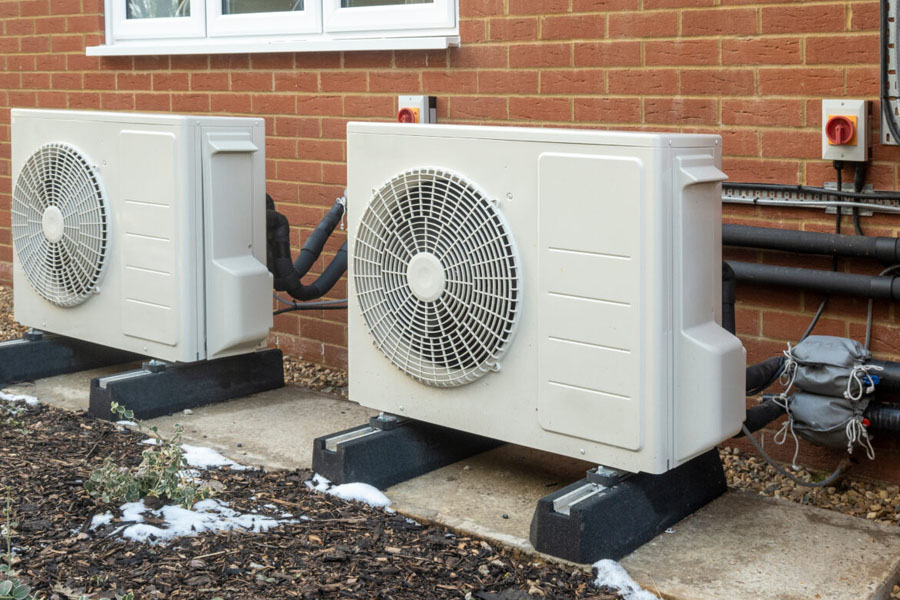
Shopping for a new heating or cooling system can be overwhelming due to acronyms like SEER, AFUE, and HSPF, which measure energy efficiency. Understanding these ratings is essential for your comfort and controlling energy costs, similar to checking MPG when buying a car. Choosing the right efficiency rating can help manage utility bills effectively.
Understanding SEER: Seasonal Energy Efficiency Ratio
If you are looking at air conditioners or heat pumps, SEER is likely the first acronym you will encounter. It stands for Seasonal Energy Efficiency Ratio.
SEER measures the cooling efficiency of an air conditioner or heat pump over a typical cooling season. Think of it as an average. It calculates the total cooling output during the season (measured in British Thermal Units, or BTUs) divided by the total electric energy input (measured in watt-hours) during the same period.
Why SEER Matters
The higher the SEER rating, the more energy-efficient the unit is. If you upgrade from an old unit with a SEER rating of 10 to a new one with a rating of 20, you essentially halve the amount of energy needed to cool your home.
What is a “Good” SEER Rating?
Federal regulations enforce minimum SEER ratings depending on where you live.
- Northern Climates: The minimum is typically 14 SEER.
- Southern/Southwestern Climates: Because air conditioning is used more heavily, the minimum is typically 15 SEER.
Modern high-efficiency systems can go much higher, often reaching ratings of 20 to 26. While these units come with a higher upfront price tag, they offer significant savings on monthly electricity bills, especially in regions with scorching summers.
Understanding AFUE: Annual Fuel Utilization Efficiency
When the temperature drops and you need a gas or oil furnace, you need to look at the Annual Fuel Utilization Efficiency, or AFUE.
Unlike SEER, which is a ratio, AFUE is represented as a percentage. It measures how efficiently a furnace converts fuel (gas or oil) into usable heat over the course of an entire year.
How to Read AFUE
If a furnace has an AFUE rating of 80%, it means that 80 cents of every dollar you spend on fuel goes directly toward heating your home. The remaining 20% escapes up the chimney or through other exhaust methods as wasted energy.
- Standard Efficiency: Older systems often fall in the 56% to 70% range. Current standard-efficiency furnaces are required to be at least 80% AFUE.
- High Efficiency: To be considered high efficiency, a furnace typically needs an AFUE rating of 90% or higher. Some top-tier models achieve ratings as high as 98.5%, meaning almost zero energy is wasted.
The Trade-off
Higher AFUE furnaces often use different technologies, such as secondary heat exchangers, to capture escaping heat. This makes them more complex and expensive to install. However, for homes in very cold climates where the heater runs constantly, the return on investment can be quick due to drastic fuel savings.
Understanding HSPF: Heating Season Performance Factor
If you use a heat pump, you have two ratings to worry about. You use SEER for the summer (cooling) mode, but when you switch to heating in the winter, you use the Heating Season Performance Factor, or HSPF.
A heat pump works differently than a furnace. Instead of burning fuel to create heat, it moves heat from the outside air into your home. The HSPF rating specifically measures the efficiency of the heat pump during the heating season.
Calculating HSPF
Similar to SEER, HSPF is calculated by taking the total heating required during the heating season (in BTUs) and dividing it by the total electricity consumed (in watt-hours).
What is a Good HSPF?
Since 2023, the federal minimum HSPF rating (often updated to HSPF2 for newer testing standards) is generally around 8.8.
- Standard Models: Usually range from 8.2 to 9.0 HSPF.
- High-Efficiency Models: Can reach HSPF ratings of 10 to 13 or higher.
If you live in a region where you rely heavily on electricity for heating, paying for a higher HSPF unit is one of the smartest financial moves you can make. It ensures that your system isn’t draining the power grid just to keep your living room warm.
How to Choose the Right HVAC System
Now that you know the lingo, how do you decide which numbers are right for you? It is not always as simple as buying the highest number available. You need to balance the upfront cost of the equipment against the long-term savings on your utility bills.
Here are the key factors to consider:
1. Your Local Climate
This is the single most important factor.
- Hot Climates: If you live in the South or Southwest where AC runs for six months a year, investing in a high SEER rating (18+) is essential. The energy savings will pay for the unit faster.
- Cold Climates: If you live in the Northeast or Midwest, you should prioritize a high AFUE furnace (95%+) or a high HSPF heat pump. A super-high SEER rating might not be worth the extra cost if you only use AC for a few weeks a year.
- Mild Climates: If you live in a temperate area, mid-range efficiency ratings (16 SEER, 80-90% AFUE) often provide the best balance of value and performance.
2. How Long You Plan to Stay
High-efficiency systems are long-term investments. If you plan to move in the next two or three years, you might not live in the home long enough to recoup the extra cost of a top-tier 98% AFUE furnace. However, if this is your forever home, the highest efficiency you can afford is usually the best choice.
3. Your Budget and Rebates
While high-efficiency units cost more, they often qualify for tax credits and utility rebates that can significantly lower the price. Always check local government and utility provider websites for incentives on Energy Star-rated equipment.
4. Professional Maintenance
Regardless of the rating you choose, a system only performs as well as it is maintained. A 20 SEER air conditioner that has clogged filters and leaky ducts will not deliver 20 SEER performance. Regular maintenance is non-negotiable.
Homeowners should schedule professional checks annually. Whether you need a check-up in a big city or furnace tune-up services in Draper, having a certified technician inspect your system ensures it is actually delivering the efficiency you paid for.
Conclusion
Understanding SEER, AFUE, and HSPF is the first step toward a more comfortable and cost-effective home. These ratings remove the guesswork from buying HVAC equipment, allowing you to compare apples to apples.