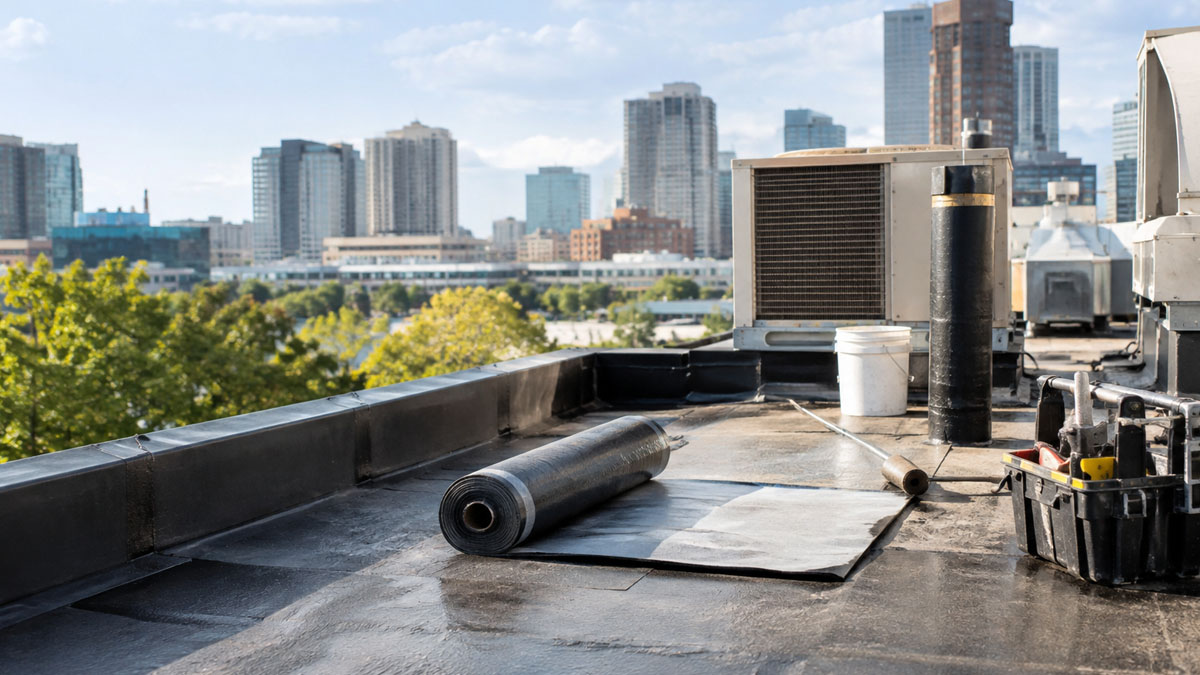
Roofing work on an occupied commercial property requires planning beyond the physical condition of the building. Employees may be working, customers may be entering, tenants may be conducting business, and deliveries may continue throughout the project. Effective roof repair planning considers these daily activities before crews arrive so necessary work can proceed with fewer avoidable conflicts.
Every occupied property has different operational priorities. A medical office may need quiet periods and dependable entrances, while a retail property may experience concentrated customer traffic during predictable hours. Understanding those patterns allows commercial roofing work to be organized around the way the building is actually used.
Early communication creates the foundation for that coordination. Upright Roofing and Construction can discuss roofing access and project requirements with property representatives before active work begins. Building managers can then prepare occupants, adjust routine activities where necessary, and establish clear expectations about areas affected during the project.
Identify the Building’s Busiest Hours
Work schedules should reflect when the property experiences its greatest activity. Managers usually know when employees arrive, customers gather, deliveries occur, or shared entrances become congested.
Providing this information during project planning helps identify periods that may require additional coordination. Certain activities might proceed normally, while others may benefit from scheduling around particularly busy times.
Not every inconvenience can be eliminated from an active construction project. The objective is to understand predictable conflicts early enough to manage them rather than discovering them after work begins.
Map Entrances and Regular Walking Routes
Commercial buildings may contain public entrances, employee doors, loading areas, emergency exits, and service access points. Roofing activities near these locations require careful planning because people continue moving through the property.
Managers should explain which entrances receive the most traffic and whether alternative routes already exist. Contractors can then understand how occupants typically approach and leave the building.
Upright Roofing and Construction can consider ground-level access requirements associated with planned roofing activities. Clearly identifying active circulation areas helps property representatives communicate temporary changes without unnecessarily disrupting unaffected portions of the site.
Establish Work Zones Before Crews Arrive
Defined work zones help separate construction activity from ordinary property use. These areas may include material staging locations, equipment positions, debris handling points, and contractor access routes.
Keep Occupants Away From Active Areas
Employees and tenants should understand that construction zones are not shortcuts between parking areas or entrances. Property managers can communicate restrictions before work begins and reinforce them throughout the project.
Clear boundaries also reduce confusion for visitors unfamiliar with the property. Appropriate site controls should reflect actual project conditions and the contractor’s safety procedures.
Coordinate Deliveries With Roofing Activities
Many commercial properties receive regular shipments throughout the week. Delivery trucks may use loading docks, service lanes, parking areas, or entrances that roofing crews also need to access.
Managers should share recurring delivery schedules during planning. Large or time-sensitive shipments deserve particular attention because changing their route without notice may disrupt business operations.
Roofing material deliveries should also be coordinated with site activity. Thoughtful scheduling helps prevent multiple large vehicles or crews from competing for the same limited access area simultaneously.
Prepare Employees and Tenants for Noise
Roofing activity can produce noise that occupants hear inside the building. The effect may vary depending on construction, work location, interior layout, and the activities occurring below.
Property managers should identify spaces where noise could create significant difficulties. Conference rooms, classrooms, treatment areas, recording spaces, and customer-service environments may have different sensitivities.
Advance notice allows occupants to adjust meetings or other activities when practical. Communication is more useful than promising complete silence during work that naturally produces construction noise.
Protect Sensitive Interior Activities
Some businesses perform tasks that require more planning than routine office work. Healthcare providers, laboratories, restaurants, retailers, technology facilities, and other occupants may have specialized operational concerns.
Managers should explain relevant restrictions without expecting roofing professionals to understand every business process automatically. Information about sensitive areas helps establish where additional coordination may be appropriate.
Commercial roofing planning works best when building representatives identify operational priorities clearly. Contractors can address roofing responsibilities while facility managers determine how internal business procedures should adapt during the project.
Maintain Communication With Building Occupants
Occupants should know what to expect before work begins. A concise notice can explain anticipated dates, affected exterior areas, access changes, and the person responsible for answering property-related questions.
Updates become especially important if weather or site conditions change the schedule. Employees and tenants may have reorganized their routines around the original plan, making revised information valuable.
Communication should remain practical rather than overwhelming. People generally need to know what affects their access, work environment, parking, or daily activities rather than every technical detail of the roofing project.
Plan Around Customer-Facing Areas
Businesses serving customers directly may need additional coordination around entrances, sidewalks, storefronts, or outdoor service areas. Maintaining clear access can influence how work zones are arranged.
Managers should identify peak customer periods and special events scheduled during the project. A known promotion, appointment block, or business gathering may justify discussing the sequence of work in advance.
The goal is not to make construction invisible. Instead, planning can help customers understand where to enter and which areas to avoid while business continues.
Consider Parking and Contractor Access
Parking lots often serve several purposes during commercial projects. Employees, customers, tenants, service providers, equipment, and construction vehicles may all need space on the same property.
Managers should identify areas that cannot be blocked and spaces that may be temporarily available. Accessible routes, loading areas, and designated building access should remain part of site planning.
Upright Roofing and Construction can communicate anticipated contractor access needs before work starts. Property managers can use that information to prepare temporary parking instructions without reserving more space than the project actually requires.
Develop a Plan for Interior Leak Areas
If existing moisture has affected occupied rooms, roofing work may coincide with interior protection or restoration activities. Managers should document affected spaces and understand how those rooms are currently being used.
Temporary interior arrangements may be necessary depending on conditions. Computers, merchandise, furniture, documents, or other valuable items should not remain unnecessarily exposed where active moisture is present.
Roof repair addresses roofing conditions, while damaged interior materials may require separate attention. Keeping those scopes clearly identified helps managers coordinate the appropriate contractors without assuming one project automatically includes the other.
Account for Weather-Related Schedule Changes
Exterior construction depends on weather conditions, making some schedule adjustments unavoidable. Rain, wind, or other unsuitable conditions can affect when planned work proceeds.
Occupied properties should have a communication process for these changes. Managers need enough notice to update tenants, employees, deliveries, or appointments affected by revised project dates.
Flexibility is easier when everyone understands from the beginning that schedules may respond to site conditions. Updated information prevents occupants from continuing to follow temporary arrangements that are no longer necessary.
Keep Emergency Access in the Plan
An occupied commercial building must continue supporting essential access during construction. Project planning should recognize emergency exits, designated routes, and other areas that cannot simply become ordinary staging locations.
Building managers should communicate relevant property requirements before crews establish work areas. Contractors can then incorporate those constraints into site planning.
Emergency procedures remain the responsibility of appropriate building representatives and authorities. Roofing coordination should support those established requirements rather than creating conflicting routes or unclear expectations.
Coordinate Work Without Stopping Business
Occupied properties require roofing plans that acknowledge what is happening below and around the work area. Entrances, deliveries, customers, employees, tenants, parking, noise, sensitive rooms, and weather-related changes can all influence daily coordination.
Successful commercial roofing work depends on communication between contractors and property representatives. Each party understands different aspects of the building, and sharing that information early makes practical conflicts easier to anticipate.
A well-organized project does not require normal business activity to disappear. By defining access, communicating schedule changes, protecting important areas, and planning around predictable routines, property managers can support necessary roofing work while keeping occupants informed and everyday operations functioning.