A roof is one of the most important protective components of any property. It shields the interior from rain, wind, moisture, sunlight, debris, and changing weather conditions while also contributing to structural integrity and indoor comfort. Over time, even a well-installed roofing system can develop problems caused by age, weather exposure, poor ventilation, damaged materials, or unexpected impact. When these issues appear, timely roof repair can help prevent minor defects from developing into expensive structural problems.
Roofing damage should never be ignored simply because it appears small from the outside. A cracked shingle, loose flashing component, damaged roof edge, or minor leak can allow water to enter areas that are not immediately visible. Once moisture reaches the decking, insulation, walls, or ceiling, the cost and complexity of restoration can increase significantly. Professional inspection and repair provide a practical way to identify the source of the problem and restore the roofing system before additional damage occurs.
Understanding the Importance of Timely Roofing Repairs
Roofing systems are continuously exposed to environmental conditions. Strong sunlight can gradually weaken certain materials, while rain and moisture can affect vulnerable seams and connections. Wind may loosen shingles or other roofing components, and falling branches or debris can create punctures and impact damage. Seasonal changes can also cause roofing materials to expand and contract, placing stress on joints and protective layers.
A timely repair addresses these problems before they spread. When a roofing professional identifies a damaged section, the appropriate repair can restore the affected area and help prevent water from entering the structure. Early attention is particularly important because moisture can travel beyond the original point of entry. A small roof leak may eventually contribute to damaged insulation, stained ceilings, deteriorated wood, mold growth, or other moisture-related concerns.Regular inspections are therefore an important part of responsible property maintenance. A professional can evaluate areas that are difficult to see from ground level and identify potential problems before they become obvious inside the building.
Common Signs That a Roof Needs Repair
Some roofing problems are easy to recognize, while others require professional inspection. Water stains on ceilings and walls are among the most common warning signs. These stains may indicate an active leak, but the visible location does not necessarily correspond with the actual point where water enters the roof. Water can move through roofing layers and structural components before appearing inside.Damaged or missing shingles are another common indication that repairs may be needed. Shingles that are cracked, curled, lifted, or deteriorated can reduce the roof’s ability to resist moisture and wind. Granules collecting in gutters may also indicate that asphalt shingles are experiencing significant wear.Other warning signs include damaged flashing, loose roof components, sagging areas, visible holes, deteriorated sealants, and excessive moss or organic growth. Unusual moisture around attic areas can also indicate that the roofing system or ventilation requires attention. When any of these conditions appear, a professional assessment can determine the cause and recommend an appropriate solution.
Repairing Leaks Before They Cause Greater Damage
Roof leaks are among the most urgent roofing concerns because water can affect many parts of a property. Even a small opening can allow moisture into the roofing assembly. If the source remains unresolved, water may gradually damage wood decking, insulation, drywall, paint, electrical components, and interior finishes.Professional leak repair begins with identifying the actual entry point. This is important because the visible interior stain may be located several feet away from the exterior opening. Roofers inspect surrounding shingles, flashing, valleys, penetrations, roof edges, and other vulnerable areas to determine where water is entering.Once the source is identified, the damaged materials can be repaired or replaced as necessary. Simply applying a temporary sealant over a visible area may not provide a lasting solution if the underlying roofing component is compromised. A proper repair should address the cause of the leak and restore the protective layers of the roof.
Repairing Damaged Shingles
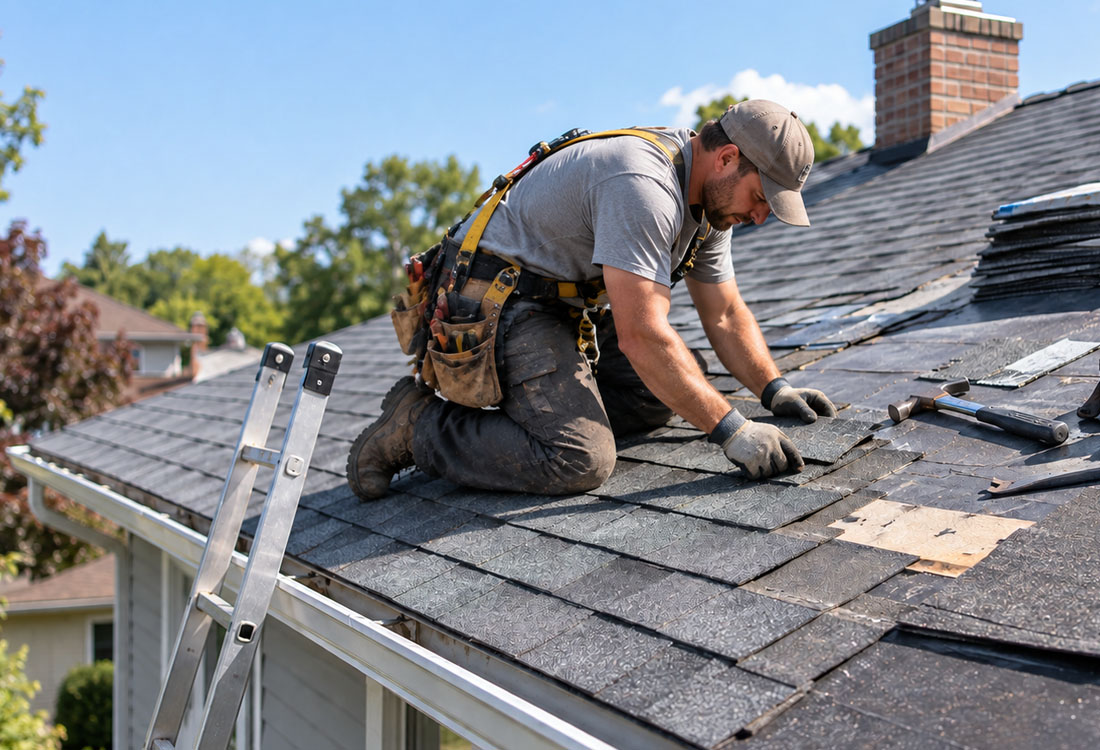
Shingles provide an important protective layer against rain and other environmental conditions. When individual shingles become cracked, missing, lifted, or otherwise damaged, they can create openings through which moisture may reach the layers underneath.Individual shingle repairs may be possible when damage is limited and the rest of the roofing system remains in good condition. The damaged shingle is carefully removed and replaced with a compatible material. Proper fastening and sealing are important because improperly installed replacement shingles may become vulnerable during future weather events.However, if a large portion of the roof contains deteriorated shingles, isolated repairs may no longer be the most practical solution. A professional roofer can evaluate the overall condition and determine whether continued repairs or a larger replacement project makes more sense.
The Role of Flashing in Roof Repairs
Flashing is installed around areas where the roof meets another surface or where penetrations pass through the roofing system. Common locations include vents, chimneys, skylights, walls, valleys, and roof edges. Because these areas involve transitions, they can become vulnerable to water infiltration when flashing deteriorates.Damaged flashing can result from age, weather exposure, improper installation, corrosion, or physical impact. During a roofing inspection, professionals examine these areas for gaps, cracks, loose sections, and deteriorated sealants.Repairing or replacing damaged flashing can help restore the roof’s ability to direct water away from vulnerable connections. Because flashing plays such an important role in leak prevention, it should not be overlooked when investigating recurring water problems.
Addressing Storm-Related Roofing Damage
Severe weather can cause sudden and extensive roofing damage. High winds may remove shingles, heavy rainfall can expose weak areas, and falling debris can puncture roofing materials. Hail and other impacts can also damage surfaces in ways that may not be immediately obvious.After a major weather event, a professional inspection can help determine whether the roof has suffered damage. Prompt evaluation is useful because additional weather exposure can worsen existing problems. A small opening caused by a storm can allow water to enter during subsequent rainfall, increasing the possibility of interior and structural damage.Storm-related roof repair may involve replacing damaged shingles, restoring flashing, repairing roof edges, addressing punctures, or replacing larger sections of roofing materials. In severe cases, the roof may require partial or complete replacement.
Roof Repair and Proper Ventilation
Roofing repairs should consider ventilation as well as the exterior surface. Proper attic ventilation helps regulate temperature and moisture levels within the roofing assembly. Poor ventilation can contribute to condensation, excessive heat buildup, premature material deterioration, and moisture-related problems.When inspecting an aging or damaged roof, professionals may examine ventilation components to determine whether the system is functioning properly. Repairing the exterior without addressing an underlying ventilation problem may allow certain issues to return.A balanced ventilation system can help support the longevity of roofing materials and improve overall performance. Property owners should therefore consider ventilation whenever recurring roofing problems or unexplained moisture concerns are discovered.
The Connection Between Roofs and Gutters
Gutters play an important role in directing rainwater away from the roof and building structure. When gutters become clogged, damaged, or improperly aligned, water may overflow along roof edges and exterior walls. This can contribute to moisture problems and may affect roofing components.During a roof repair assessment, professionals can inspect nearby gutters and downspouts to identify drainage issues. Keeping these systems clear allows water to move efficiently away from the property and reduces unnecessary stress on roof edges.In some cases, improving drainage may be an important part of a broader roofing maintenance strategy. A roof should not be viewed as an isolated surface because its performance is connected to flashing, gutters, ventilation, and other exterior components.
When Repair Is Better Than Replacement
Not every damaged roof needs to be completely replaced. If the overall system is relatively young and most materials remain in good condition, targeted repairs can often restore performance at a lower cost than full replacement.Repair may be suitable when damage is limited to a small number of shingles, isolated flashing components, minor leaks, or specific areas affected by weather. A professional evaluation helps determine whether the underlying roof remains structurally sound.Replacement may become more appropriate when the roof has widespread deterioration,repeated leaks, extensive structural damage, or has reached the end of its expected service life. The decision should be based on the roof’s actual condition rather than the appearance of one damaged area.
Benefits of Professional Roofing Services
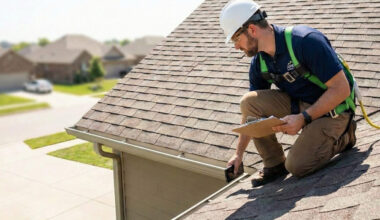
Roof repairs can involve safety risks and require specialized knowledge. Professionals understand how different roofing components interact and can determine whether visible damage is merely cosmetic or evidence of a deeper problem.Experienced roofing contractors also have access to appropriate equipment and materials for safely completing repairs. They can inspect difficult-to-reach areas, identify moisture entry points, replace damaged components, and complete work according to established installation practices.Professional repairs can also provide greater confidence that the problem has been addressed at its source. Instead of temporarily covering visible damage, a qualified roofer can investigate surrounding areas and identify conditions that may contribute to future problems.
Choosing the Right Roofing Contractor
Selecting a dependable roofing contractor is an important part of any repair project. Property owners should look for professionals who communicate clearly, provide detailed assessments, explain recommended solutions, and use suitable materials.A reliable contractor should be willing to explain why a particular repair is necessary and whether other areas require attention. Written estimates can help property owners understand the expected scope of work and make informed decisions.Experience is also valuable because roofing repairs often involve details that are not visible once the work is completed. Correct installation of shingles, flashing, underlayment, sealants, and drainage components contributes to the long-term effectiveness of the repair.
Preventing Future Roofing Problems
Although no roofing system can remain completely free from damage, regular maintenance can reduce the likelihood of serious problems. Property owners should schedule periodic inspections and pay attention to warning signs such as water stains, missing shingles, damaged flashing, clogged gutters, and unusual attic moisture.After severe weather, another inspection may be appropriate. Storm damage is not always visible from ground level, so a professional assessment can help identify problems before they develop into leaks.Keeping gutters and downspouts clear, trimming branches that overhang the roof, maintaining proper attic ventilation, and addressing small defects promptly can all support better roofing performance. Preventive maintenance is generally easier to manage than extensive restoration after a problem has spread.
Making Roof Repair a Long-Term Investment
A quality repair should do more than solve an immediate problem. It should contribute to the long-term performance of the roofing system. This means using compatible materials, correcting the underlying cause, and checking surrounding components for related damage.Property owners can also use repair appointments as an opportunity to learn more about the condition of their roof. A professional can identify areas that may require attention in the future and help develop a maintenance plan based on the roof’s age and condition.This proactive approach can make roofing expenses more predictable while reducing the possibility of sudden emergencies. Maintaining the roof properly also helps protect the interior and structural components of the property.
Conclusion
A dependable roof provides essential protection against moisture, wind, sunlight, debris, and changing weather conditions. When damage occurs, prompt professional attention can prevent minor issues from becoming larger and more expensive problems. From leaking shingles and damaged flashing to storm-related damage and drainage concerns, each issue should be evaluated carefully before the appropriate repair is selected.
Professional roof repair services can restore damaged areas while helping preserve the overall performance of the roofing system. Regular inspections, proper maintenance, effective ventilation, functional gutters, and timely repairs all contribute to a longer-lasting roof.Property owners who notice signs of deterioration should avoid waiting until a small issue becomes a major emergency. Working with an experienced roofing professional provides a practical way to identify the source of the problem, understand available options, and restore the roof with appropriate materials and workmanship. For dependable roofing solutions, professional roof repair can be an important investment in the protection, durability, and long-term value of a property.