The Feel Underfoot and the Climate You Live In
Flooring is more than appearance. It keeps a space warm, cools after sunset, and welcomes bare feet in winter, say Advanced Solutions Property Management specialists. Because of its porous clay body, terracotta warms gently. Porosity is welcoming and helps floors breathe in moderate or dry conditions. Denser glazed ceramic tiles feel cooler and communicate temperature changes faster.
Radiant heat works with both materials, although they function differently. Ideal for steady warmth, ceramic’s homogeneous density distributes heat evenly. Unless the flooring and heat circuits are properly zoned, terracotta’s bulkier, irregular pieces can create subtle warm and cool patches. Both absorb and release sunlight slowly in sunny environments like thermal batteries. Earthy terracotta softens glare and makes light feel honeyed, whereas dazzling, glazed porcelain crisps up daylight.
Moisture, Messes, and Slip Safety
Two routes separate at moisture. Unsealed terracotta swallows water, staining and browning. Sealing makes it splash-proof, but it must be checked and replenished. Most ceramic tiles are glazed to repel spills and stains. This is useful in busy kitchens and bathrooms.
Finish and texture affect slip safety. When sealed matte, unglazed or textured terracotta has high traction. Glazed ceramic varies. Structured or matte glazes cling better than high-gloss surfaces when wet. Avoid mirror-smooth glazes and use slip-resistant tiles if dogs or youngsters run around the home with wet paws or socks.
Strength, Wear Ratings, and Traffic Patterns
Strength goes beyond breaking. The surface wears over time. Many ceramic tiles have wear ratings for light, moderate, or high foot usage. To avoid dulling, choose higher wear classes for hallways, entryway, and family rooms. Terracotta lives differently. It patinas. Instead of scratches, little marks melt into the clay’s texture.
Impact performance varies. A dropped cast iron skillet can chip edges on both materials, but terracotta’s larger profile can hide small chips, letting the floor age smoothly. Careful handling and substrate support prevent chipping along razor-straight grout lines in thin, durable ceramic with crisp corrected edges.
Installation Realities That Change the Budget
Installation smooths or roughens roads well. Due to its handcrafted or minimum processing, terracotta thickness and size vary. Sorting, leveling, and back-buttering will take longer for installers. Many pros protect terracotta before grouting to prevent haze and stains, then again after cure. Extra processes cost labor but ensure uniform color and simpler cleanup.
Dimensionally uniform ceramic tiles, especially corrected ones, expedite layout and reduce lippage. That stability helps DIYers. Still, large-format ceramic needs flat substrate. Flooring will take up most of the time. A quarter-inch dip across a few feet may not be noticeable, but it signals a rocking or tenting tile. Correct planning, trowel notch selection, and expansion joints decide whether a floor looks custom or compromised with both materials.
Design Language and How Grout Changes Everything
Interaction between tile and grout is design. Warm vowels characterize terracotta. It complements limewash walls, braided carpets, black steel, and brushed brass. Running bond or herringbone makes it ageless. Make joints recede using grout slightly darker than clay to make tiles look like a field of color rather than a grid.
Ceramic whispers and shouts. Warm gray grout and matte white hexagons provide Scandinavian tranquility. The room centers on graphic encaustic squares. Rectified edges minimize grout joints for smooth lines. Cushioned edges widen joints and give them a handmade feel. Remember that grout color changes perspective. High-contrast grout highlights tile geometry. The visible plane is expanded by low-contrast grout.
Outdoor Areas, Freeze Thaw, and Sunlight
Exterior use differentiates materials by climate. Many outdoor ceramic tiles survive freeze-thaw cycles and have little water absorption. These thrive on cold-weather patios and porches. Except for rating, traditional terracotta can struggle in constant freeze-thaw. Sealed terracotta patios have Mediterranean beauty in moderate areas, but you must maintain the sealer and monitor for efflorescence.
Color stability is tested by sunlight. Quality ceramic glazes resist UV. Over time, terracotta will soften and change. Aging can be a strength or a weakness. Choose a frost-resistant ceramic with a textured finish for a set-it-and-forget-it outdoor floor in tough climates. Terracotta might be worth the maintenance in forgiving regions if you want a patio with history.
Upkeep Schedules and What To Expect in Year 1 vs Year 10
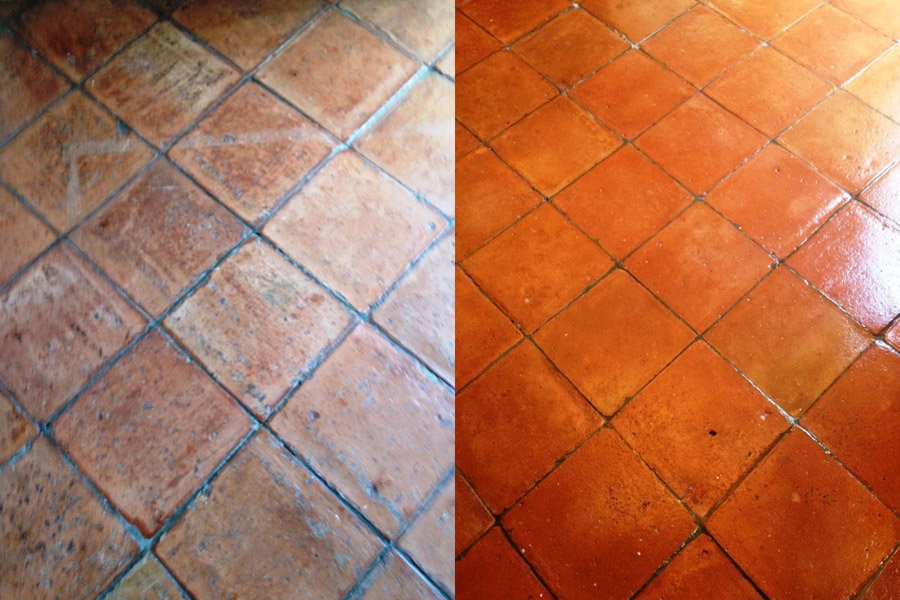
First year with terracotta is about defense. Clean with a pH-neutral cleaner and reseal when water beads or the surface is thirsty. Kitchen edges near sinks and burners may need additional care. By year ten, a well-maintained terracotta floor has minor color change and a delicate luster.
Ceramic requires frequent sweeping and mopping. The weak link is grout. Avoid discolouration by sealing cementitious grout or using stain-resistant grout. With the grout line showing traffic and cleaning habits, the tile should read virtually new after ten years. Most ceramic floors seem new after a complete clean and grout refresh.
Budgeting Beyond the Sticker Price
Budget is a three act play. Act one is material price. Ceramic often wins here because of mass production and broad availability. Terracotta ranges widely, from economical to artisanal.
Act two is installation. Terracotta generally requires more labor for sorting, leveling, and sealing, which can equal or exceed the material cost. Ceramic is faster to set, especially in standard sizes, though large formats may require premium prep.
Maintenance is act three. Terracotta sealers and touch-ups cost homeowners money and time over ten years. Ceramic is cheap but requires grouting. Terracotta floors are like leather boots—they get better with age. Ceramic has a known cost of ownership for sharp, consistent surfaces.
Sustainability and Air Quality Considerations
Both clay tiles are burnt, yet their environmental tales differ. Terracotta is made at lower fire temperatures and sometimes closer to home, reducing travel effect. Ceramic firing requires more energy but provides a high-quality surface that rarely needs replacing. The greenest floor is frequently kept longest.
Once burnt, both tiles are inert indoors. We focus on adhesives, grouts, and sealers. If interior air quality matters, choose low-odor, low-VOC products and ventilate during installation. Choose a sealer with the gloss you want for terracotta and reapply based on wear, not a calendar.
Room by Room Quick Picks
Kitchen: Ceramic excels if you cook often and want wipe-clean simplicity. Terracotta charms in breakfast nooks and Mediterranean kitchens where patina is welcome.
Bath: Ceramic dominates wet zones. Use textured finishes on floors to improve traction. Terracotta can work in powder rooms if diligently sealed and away from constant water.
Entry and Mudroom: Ceramic with a high wear rating and medium toned grout hides grime and handles grit. Terracotta can succeed in dry climates with mats at doors and regular maintenance.
Living and Dining Rooms: Terracotta creates warmth and pairs with natural materials. Ceramic with large formats and subtle texture gives a gallery-like calm in contemporary spaces.
Bedrooms: Either can work. If you want a soft, cocooning feel, terracotta plus rugs is hard to beat. For a cool, minimalist aesthetic, go ceramic with narrow joints.
Laundry: Ceramic’s water resistance makes life easier around appliances and utility sinks.
Sunroom: Choose based on climate. Terracotta for that old world conservatory vibe if freeze thaw is not a concern. Ceramic for bright, sun soaked spaces that need colorfastness.
FAQ
Can terracotta be used in a bathroom floor that has a daily shower?
Terracotta can be used in a bathroom, but daily soaking is not ideal. It must be meticulously sealed and kept dry between uses. Consider terracotta in a powder room or as a feature wall, and use ceramic in the shower and directly adjacent areas.
Do I need to pre-seal terracotta before grouting?
Pre-sealing makes grouting easier and helps prevent pigment from lodging in the pores. Many installers apply a penetrating sealer before grouting, then a finishing coat after the grout cures. Test a small area to confirm the final sheen and color.
How can I make ceramic tile feel less cold underfoot?
Use area rugs in seating zones, add radiant heat if feasible, and select textured or matte finishes that visually read warmer. Mid tone colors also feel less chilly to the eye than bright whites or deep charcoals.
What grout width should I choose for terracotta vs ceramic?
Terracotta often benefits from slightly wider joints to accommodate size variation and keep lines visually harmonious. Ceramic with rectified edges can use very narrow joints for a crisp look. Let the tile geometry and edge finish guide joint width rather than a single rule.
Will sunlight fade terracotta or ceramic over time?
Quality ceramic glazes resist fading. Terracotta may deepen and mellow with sun exposure, developing character rather than showing uniform fade. Use blinds or UV-filtering glass if you want to slow that evolution.
Is porcelain just a type of ceramic, and does it matter for floors?
Porcelain is a denser, more refined form of ceramic with very low water absorption. For heavy traffic, wet areas, or outdoor use in cold climates, porcelain’s durability and frost resistance can be a smart upgrade within the ceramic family.
How often should I reseal terracotta?
Reseal based on performance, not the calendar. If water no longer beads on the surface or stains set quickly, it is time to reapply. In kitchens and entries, that may be every 12 to 24 months. In low traffic rooms, intervals can be longer.
What is the best way to clean grout so it does not become the weak link?
Sweep or vacuum before mopping to keep grit out of the joints. Use a pH-neutral cleaner and a soft brush on grout lines periodically. Sealed or stain resistant grouts reduce maintenance and keep color consistent across traffic patterns.