When a sink drains slowly for the third time this month, or a toilet gurgles when the tub empties, the problem is rarely random. Drains speak in patterns. Matching those patterns to the right part of your plumbing system can help you act early, choose the right fix, and prevent a messy backup. This article walks through practical, safe steps to identify where a clog is forming, what usually causes it, and when a deeper clean or repair is warranted. Along the way, you will learn how P-traps, vent stacks, cleanouts, and the sewer lateral each contribute to flow, and which tools and habits actually prevent repeat clogs.
Match the Symptom to the Line: Sink, Stack, or Sewer Lateral
If only one fixture is slow, start there. A kitchen sink that backs up after washing pans points to the P-trap or the branch line serving that sink. Hair and soap scum commonly choke a tub or shower drain at the strainer or trap arm. When several fixtures on the same floor slow down at the same time, or you hear gurgling, suspect a partially blocked vent stack or a clog in the vertical waste stack. If the lowest drain in the home, often a basement floor drain or a first-floor shower, backs up when higher fixtures run, the restriction is likely in the main sewer lateral. At that point, area homeowners often turn to drain cleaning services in La Vista, NE for a thorough main-line evaluation and clearing.
Real-world example: the washing machine discharges and the basement floor drain overflows. That pattern implicates the main line, not the washer standpipe. Another clue is timing. If toilets flush normally but sinks are slow until late evening, grease cooling in a horizontal branch may constrict flow as the pipe cools, then temporarily ease with a morning hot-water rush.
Safe At-Home Checks: P-traps, Cleanouts, and Strainers
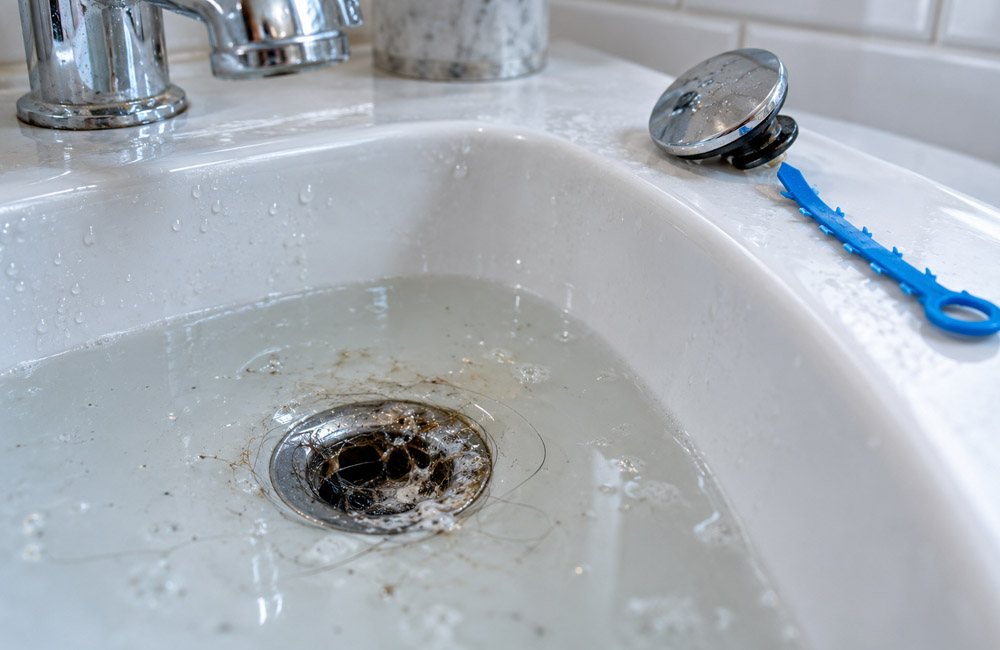
Start with easy access points. For a sink, place a bucket under the P-trap, loosen the slip-joint nuts with channel-lock pliers, and clear debris from the trap and trap arm. For tubs and showers, pull the stopper, remove the strainer, and use a plastic zip tool to remove hair rather than forcing a metal coil that can scratch the pipe. If you have an exterior or basement cleanout, open it slowly, wear gloves, and use a rag to relieve built-up pressure, then run a brief water test. Avoid caustic drain chemicals; they can soften PVC, corrode metal, and make later augering hazardous. Skip the roof. Vent checks on steep or icy roofs are risky, and a pro can test venting from inside by listening for siphon noises and using smoke or camera tools.
Common Culprits: Grease, Wipes, Roots, and Pipe Scale
Each material fails predictably. Cooking grease doesn’t stay liquid in a cool cast-iron line. It plates to the pipe wall, catching coffee grounds and starch until only a narrow channel remains. So-called flushable wipes do not break down like toilet paper; they snag on rough pipe scale and form ropes that only a light-duty snake can tunnel through. In older clay tile laterals, tree roots find hairline gaps at joints, creating a living net that fills with paper. Even correctable defects matter. A bellied pipe segment holds standing water, trapping sand and lint and turning a small sag into a recurring choke point. Recognizing the culprit guides the remedy, from mechanical cutting to scouring and, when needed, targeted repair.
What Pros Do Differently: Camera Inspections, Snakes, and Hydro Jetting
A cable machine with the right head is a cutting tool, not just a battering ram. Pros choose a small boring head to penetrate a blockage, then switch to a grease or root-cutting head sized to the pipe to restore diameter. Hydro jetting uses high-pressure water through nozzles to scour biofilm and flush heavy grease or sludge off the pipe walls. The trade-off is practical: snaking is fast and effective for hair and many paper blockages, while jetting cleans more thoroughly but typically requires an accessible cleanout and more setup. After clearing, a video inspection camera verifies that the clog is removed, checks for offsets and bellies, and marks trouble spots for future maintenance or repair planning.
Prevent Recurrence: Everyday Habits and Maintenance That Work
Simple habits prevent most repeat clogs. Wipe grease from pans into the trash before washing. Use a mesh strainer in sinks and tubs to catch food bits and hair. After greasy meals, run hot water and a small amount of dish soap for a minute to emulsify residue before it cools in horizontal runs. Treat the garbage disposal as a shredder for small scraps, not a waste chute for fibrous peels, eggshells, or large starch loads that gel in the trap. For older lines with cast-iron scale or clay joints, schedule periodic maintenance: a professional cable cut for roots, followed by jetting to remove sludge and toilet paper hang-ups. Enzyme-based drain treatments can help keep kitchen drains clear by digesting soft buildup, but they cannot open a hard blockage.
One more caution helps avoid damage. Light-duty hand snakes are great for small bathroom drains, but forcing a stiff cable through tight PVC turns can crack a fitting or punch through a thin wall. Likewise, blasting a garden hose into a cleanout can flood your basement if the main line is fully blocked. When clogs recur in a pattern, the safest and often most economical path is to identify the exact failure point, clear it with the right tool, and confirm the condition with a camera. That sequence turns guesswork into a plan and keeps wastewater where it belongs: flowing quietly out of your home.



