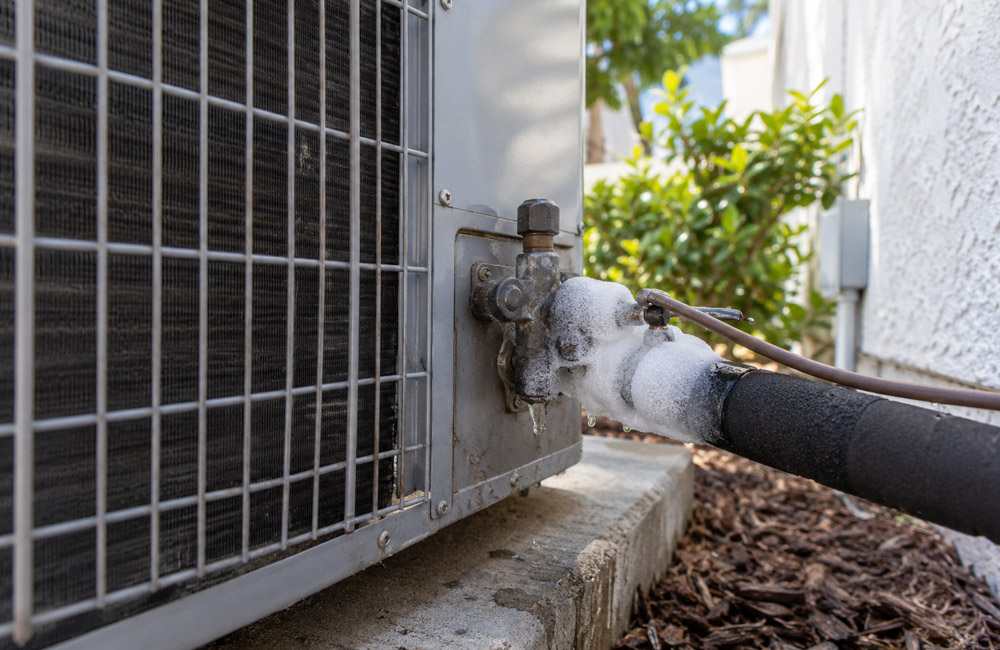
Moorpark’s long, dry summers and occasional Santa Ana wind events push cooling systems hard, and short, cool snaps test furnaces and heat pumps too. You do not need tools to spot early signs that something is off. Warm air during cooling mode, ice on refrigerant lines, short cycling, odd noises, musty odors, or water around the air handler are all clues. Recognizing what these symptoms often mean can help you decide what to check safely at home and when to schedule a professional visit before a minor issue becomes a mid-heat-wave breakdown.
Warm air, icing, and sticky indoor air: what these cooling symptoms point to
If your vents blow lukewarm air and you see frost on the larger copper line near the indoor unit, low airflow is a prime suspect. A clogged return filter, blocked return grille, or closed supply registers increase static pressure and can let the evaporator coil freeze. After the system shuts off, that ice melts and may overflow the condensate pan. Low refrigerant charge can also cause coil icing and poor cooling. When you spot these conditions, scheduling prompt HVAC Repair in Moorpark, CA can prevent compressor damage from repeated icing and thawing cycles.
High indoor humidity while the AC runs points to short run times or reduced latent capacity. Oversized systems satisfy the thermostat quickly but remove less moisture, leaving rooms clammy in late summer evenings. Low refrigerant or a dirty evaporator coil can also reduce dehumidification. In Moorpark’s dusty conditions, attic duct leaks can draw in hot, dry air, disrupting coil temperatures and performance. If you see ice, moisture pooling, or a mix of warm air and sticky rooms, turn the system off to let ice melt and address airflow basics before restarting.
Short cycling, marathon runs, and rising bills: interpreting runtime changes
Short cycling, where the system starts and stops every few minutes, can be as simple as thermostat placement. A thermostat in direct sun, near a supply register, or on an exterior wall can misread room temperature. It can also point to a weakening capacitor that lets the compressor or condenser fan start but not stay running. A tripped condensate float switch from a clogged drain can repeatedly shut cooling off as water backs up. Picture a sunny afternoon in a single-story Moorpark home: the hallway thermostat warms faster than the other rooms, the condenser tries to start against high head pressure, and the cycle ends early. That pattern wastes energy and wears components.
On the other end, a system that runs nonstop but can’t reach setpoint usually faces a load or heat-rejection issue. A dirty outdoor coil, especially after windy days that pack fins with dust and leaves, forces the condenser to run at higher pressure and temperature. Bent fins, a slow condenser fan, or inadequate refrigerant charge will have the same effect. You may first notice it as a creeping electric bill and warmer bedrooms by late afternoon. If rinsing debris from the outdoor coil and restoring indoor airflow don’t help, deeper diagnostics are in order.
Noises, odors, and water where it does not belong
New or worsening noises can be revealing. A screech from the indoor unit often traces to a blower motor bearing. A repetitive click at the condenser can be a contactor engaging without the compressor starting, again implicating a weak capacitor. Persistent hissing may indicate a refrigerant leak. With gas furnaces, a sharp, sulfur-like odor signals a possible gas leak; leave the area and contact your gas utility. Burning dust the first time you use heat is normal for a short time, but a continuing electrical smell calls for a shutdown and inspection.
Water around the furnace or air handler during cooling season is frequently a condensate issue. A clogged trap or drain line can back water into the secondary pan, trip a float switch, and shut cooling down. Rust in the pan, moldy odors at supply registers, or water staining on the platform are early warnings. Clearing drains is simple with an external cleanout, but pushing debris into the line, cracking an old trap, or bypassing a float switch can cause bigger problems. Treat standing water or persistent musty smells as reasons to stop and get help.
Simple checks you can do safely before calling for repair.
Start with the return filter. If you hold it up to light and cannot see through much of it, replace it. Check that the airflow arrow points toward the blower, not the grille, and be cautious with very high MERV filters in systems with small return ducts. High MERV media capture more particulates but also restrict airflow; if returns are undersized, the trade-off can be coil icing and noise. Open all supply registers, and make sure furniture or rugs aren’t blocking returns. These low-risk steps often restore enough airflow to get you by while you plan next steps.
At the outdoor unit, clear at least two feet of space around the condenser and gently rinse the coil from the inside out if panels are designed for homeowner access. Confirm the breaker has not tripped and that the service disconnect is fully seated. Verify the thermostat is set to cool or heat as needed, with an appropriate temperature setpoint and the fan on auto. Avoid opening electrical compartments or bypassing safeties. Imagine returning from a weekend at Underwood Family Farms to a warm house; a clogged filter and grass clippings plastered on the condenser coil are quick fixes that can restore performance without tools.
When a professional evaluation is the better move in Moorpark’s climate
Once symptoms point beyond airflow or settings, specialized testing protects equipment and safety. Refrigerant circuits are sealed; accurate diagnosis involves measuring superheat and subcooling, checking for leaks, and confirming that the thermostatic expansion valve (or fixed orifice) is metering correctly. With gas furnaces, technicians check heat exchanger integrity, flame sensor operation, inducer performance, and flue draft to reduce combustion risks. These are not DIY tasks. A proper repair prevents collateral damage, such as a compressor failing from repeated hard starts or a blower motor overheating under excessive static pressure.
Pros also quantify hidden airflow problems. Static pressure measurements across the filter and coil can reveal undersized returns, a matted evaporator coil, or a collapsed section of flex duct in the attic. In Moorpark’s hot season, catching these issues before the first major heat wave avoids emergency downtime. After service, simple habits sustain performance: keep shrubs trimmed away from the condenser, replace filters on schedule, and consider periodic evaporator and condenser coil cleanings. If condensate backups have been an issue, ask about installing or maintaining a float switch and treating the drain line during peak cooling months.
Small HVAC symptoms often foreshadow larger failures, especially when outdoor temperatures swing quickly as they do in Moorpark. If you notice warm air, icing, cycling changes, new noises, or moisture, handle the simple airflow and housekeeping checks first. When symptoms persist or involve refrigerant, electrical, or combustion components, a professional diagnosis keeps your system efficient and safe. Acting on early signs typically turns a disruptive mid summer outage into a planned, shorter appointment, so your home stays comfortable on the next hot, dry afternoon.



