Start With the Habit Loop Kids Understand
Habits are small autopilot loops. Simple loops work best for kids. Provide a clear trigger, a brief routine, and a satisfying reward. A toothbrush near the sink or a bedtime song could be the indication. Routines include two-minute brushing and rapid flossing. Praise, a sticker, or a favorite book are rewards. Keep the loop predictable for less resistance and more follow-through.
Make the loop concrete. Put a small picture card by the sink that reads Brush, Spit, Smile. Use a sand timer or a fun two minute playlist. End with a high five or a silly dance. The brain learns to expect something pleasant at the finish, so the beginning becomes easier to start.
Turn the Bathroom Into a Yes Zone
Environment influences behavior more than lectures. Create a sink that says yes everywhere. Add a step stool for kids to reach the faucet. Cups should be wide and durable. Keep soft towels handy. Put toothbrushes upright in a labeled mason jar caddy for each child. Clutter-free counters lessen friction.
Light matters. Bright, pleasant light helps kids see and feels welcoming. Small mirrors at child height encourage self-checks. A basic laminated routine chart on the wall with removable adhesive makes instructions visible. Half the battle is won when everything is ready before a child arrives.
Oral Care That Grows With Your Child
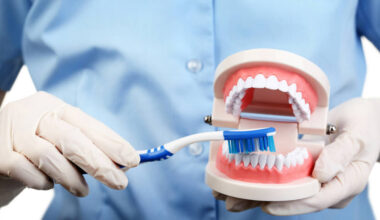
Tools and procedures should match your child’s stage, not age. A rice-sized smear of fluoride toothpaste is enough for toddlers. Pea-sized amounts work for preschoolers and schoolchildren. Make tiny circles with bristles facing gumline. We aim for two minutes twice everyday. If a manual brush is awkward, a small-headed electric brush can help, as long as an adult monitors the results.
Start flossing when two teeth meet. Small hands use floss picks well. Maintain gentleness if gums bleed. That usually means the area needs extra cleaning. Ask about fluoride varnish and sealants for older kids at dental checkups. These thin coatings help prevent cavities in hard-to-reach areas.
Play, Stories, and Science in Small Bites
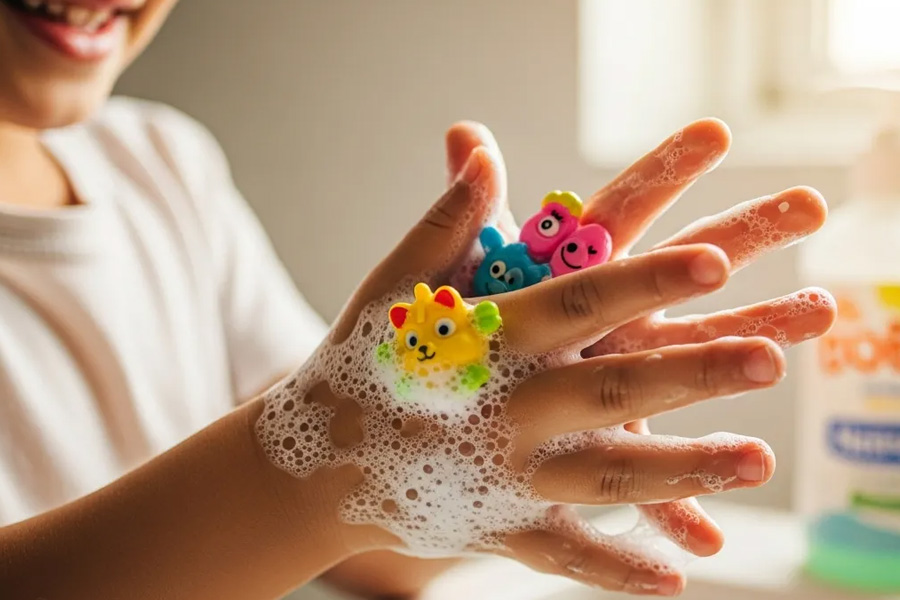
Make hygiene fun. Name plaque and send it with the Brush Brigade. Like a treasure map, dissolving plaque tablets reveal hidden spots where brushing missed. To demonstrate how long soap takes to eradicate imaginary germs, sprinkle a pinch of craft glitter on hands and wash until it disappears. Let your child teach a plush bear to brush. Learning is reinforced by teaching.
Stories work because they give purpose. A short tale about strong teeth that help chomp crunchy apples makes brushing feel useful. Keep the tone light. Curiosity sticks better than pressure.
Gentle Independence, Not Perfection
Imagine training wheels, not a test. Beginning with hand-over-hand coaching helps kids learn the movements. You brush first, then they finish, or vice versa. Offer goal-independent options. How about the blue or green brush? Berry or applesauce toothpaste today. Small decisions get support.
Avoid micromanaging every stroke. Kids care more about trying when no one is tallying mistakes. If a section gets missed, say, Let’s give those back teeth a turn, then model. Confidence grows when children feel capable, not critiqued.
Make Routines Travel Friendly
Without packing the loop, trips and sleepovers can impede progress. Create a travel kit including a child-sized brush, floss picks, miniature toothpaste, and a collapsible cup. Putting it in a zipper pouch makes it special. Keep another routine card inside. School may not allow a noon brush, but water after lunch and floss at night are. A brief brush and rinse before bed are good for late nights.
Food, Sleep, and the Mouth-Body Link
Mouth health is tied to the rest of the body. Frequent snacking, especially sticky foods, fuels bacteria. Offer water between meals to rinse acids and support saliva. Reserve sweets for mealtimes when saliva is plentiful. Crunchy produce like apples and carrots can help scrub surfaces, though they still do not replace brushing.
Watch for mouth breathing, often tied to allergies or congestion. Dry mouths raise cavity risk. A bedtime nasal rinse, a humidifier, or a chat with your pediatrician can help. Adequate sleep improves cooperation and immune function. A child who is rested will battle you less at the sink.
Partnering With Your Pediatric Dentist
Regular checkups turn home routines into a well-supported plan. A pediatric dentist, whether in Escondido or your neighborhood, brings age-specific tools and a calm approach. Book visits at times when your child is alert, not near nap time. Prep with a simple preview. We will count teeth. You get a chair ride. The dentist checks how strong your teeth are.
Bring queries. Ask about sealants, fluoride levels, and brushing technique for your child’s bite. Request a quick meet-and-greet if your child is nervous. A warm welcome can make the visit feel familiar. Positive experiences establish trust and ease future appointments.
Handling Pushback Without Power Struggles
Resistance occurs. Maintain a continuous tone and plan. Provide few options. Before or after pajamas, brush. Use the timer or sing the two-minute song. Use when-then. After brushing, we choose tonight’s story. Avoid hygiene penalties. The routine should feel safe, not like a punishment.
If a meltdown starts, pause for a sip of water and a deep breath together. Reset and try again. Progress is not linear. Small wins add up, like drops filling a jar.
Hygiene for Neurodiverse and Sensitive Kids
Some children experience textures and sounds more intensely. Adapt the routine to their sensory profile. Try ultra-soft bristles or a silicone brush. Test toothpaste flavors to find one that does not sting. Warm the water. Dim the lights. Add a weighted lap pad or a footstool for grounding. Use visual schedules with real photos instead of cartoons if that helps.
Desensitize gradually. Start with touching the toothbrush to lips, then tongue, then one tooth, building up over days. Celebrate each step. Consistency and patience can transform a dreaded chore into a tolerable, even proud, moment.
Simple Rewards That Teach, Not Bribe
Rewards should recognize effort, not perfection. Sticker charts function best when short and winnable. Five stickers mean a new bedtime book or weekend breakfast. A clear mason jar with colorful tokens shows progress. Completed routines put tokens into the jar. Your child chooses a nonfood prize like sidewalk chalk or a park excursion in the queue.
Fade rewards as habits stabilize. Replace tokens with verbal praise and natural privileges. The skill stays because it is part of identity now. I am a kid who takes care of my body.
FAQ
How long should my child brush their teeth?
Two full minutes, twice a day. Divide the mouth into four sections and spend about 30 seconds on each. A sand timer, song, or brush with a built-in timer keeps it honest.
When is it safe for a child to brush without supervision?
Most kids need help or a check until around age 7 to 8, sometimes longer. Dexterity and consistency matter more than birthdays. Do a quick spot check after they brush and step back as skills improve.
What if my child hates mint toothpaste?
Flavor aversion is common. Try mild fruit or bubblegum flavors. If foaming bothers them, look for low-foam formulas. Use only a smear or pea-sized amount to reduce intensity.
Are electric toothbrushes okay for kids?
Yes, if the head is small and the pressure is light. Show your child to guide the brush slowly along the gums and teeth rather than scrubbing. Continue to supervise.
My child’s gums bleed when flossing. Should we stop?
Keep flossing gently. Bleeding often signals inflammation from plaque. With consistent care, bleeding should decrease within a week or two. If it persists, check with your dentist.
Is mouthwash necessary for children?
Not usually for younger children. Focus on brushing and flossing well. For older kids who can swish and spit reliably, a fluoride rinse may help if your dentist recommends it.
How often should we replace toothbrushes?
Every three months or sooner if bristles fray or after an illness. Worn bristles clean poorly and can irritate gums.
What can I do when my child refuses to brush at bedtime?
Shift part of the routine earlier in the evening before fatigue hits. Use predictable cues, a short timer, and a when-then statement. Stay calm, keep it brief, and try again consistently.
How can I make dental visits feel positive?
Preview what will happen in simple steps, read a short dentist story, and bring a comfort item. Schedule at a good time of day, ask for a tell-show-do approach, and celebrate small brave moments afterward.