A new fence is one of the best investments you can make for your property. Whether you’re adding privacy, increasing security, or improving curb appeal, one of the first decisions you’ll face is pressure-treated or cedar fence—which is the better option?
Both materials are popular for residential and commercial fencing, but they offer different advantages. Pressure-treated lumber is known for its affordability and resistance to insects and decay, while cedar is prized for its natural beauty and dimensional stability.
The right choice depends on your budget, maintenance preferences, local climate, and the look you want to achieve.
Pressure-Treated vs. Cedar Fence at a Glance
| Feature | Pressure-Treated Lumber | Cedar |
| Initial Cost | Lower | Higher |
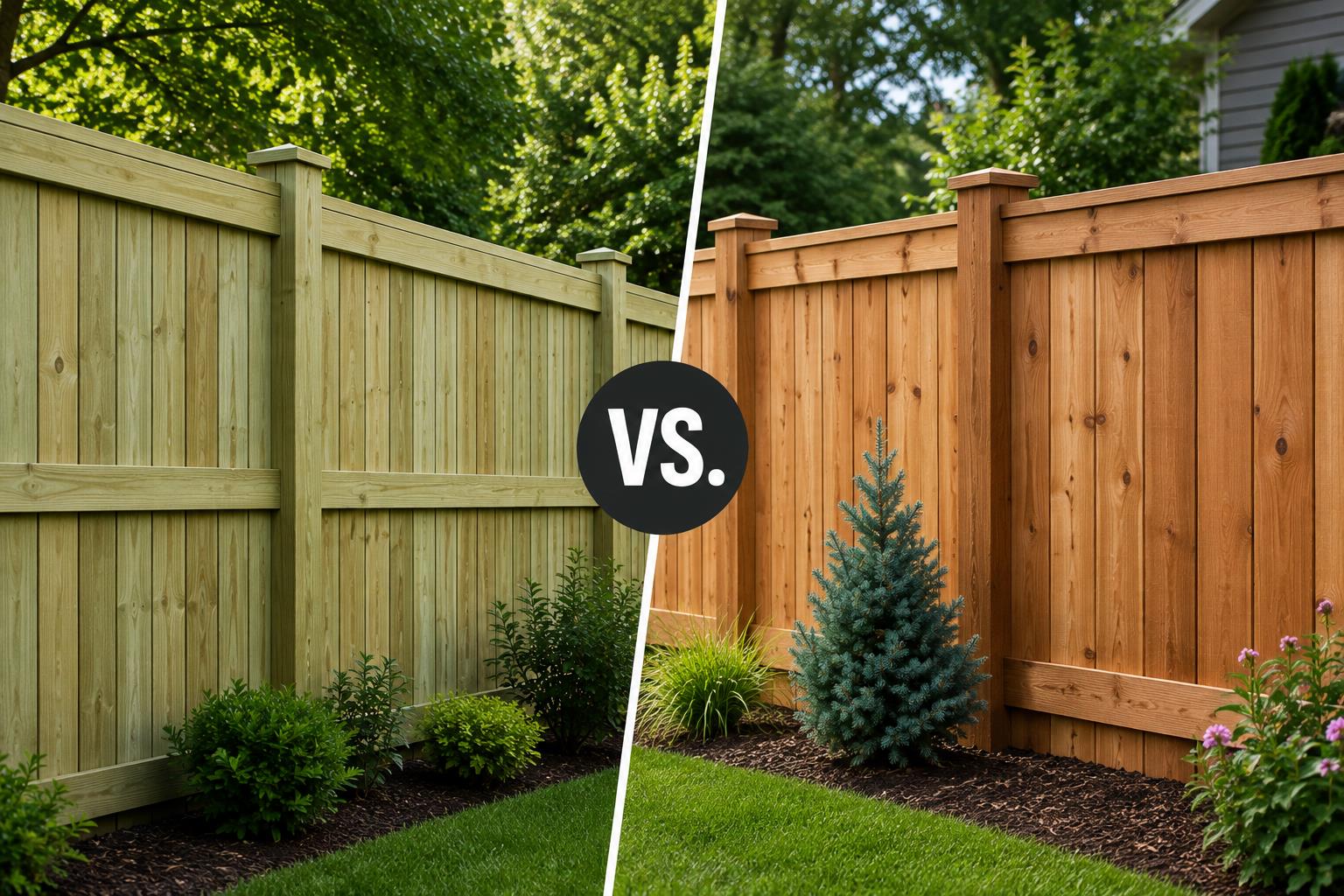
| Appearance | Greenish when new, weathers over time | Warm natural color with attractive grain |
| Rot Resistance | Chemically treated for decay resistance | Naturally resistant to rot and insects |
| Insect Resistance | Excellent | Excellent |
| Maintenance | Benefits from staining or sealing | Optional, depending on desired appearance |
| Lifespan | 15–20+ years with proper maintenance | 20–30+ years with proper care |
| Warping Potential | Moderate | Generally more stable |
| Best For | Budget-conscious projects | Premium residential fencing |
What Is Pressure-Treated Lumber?
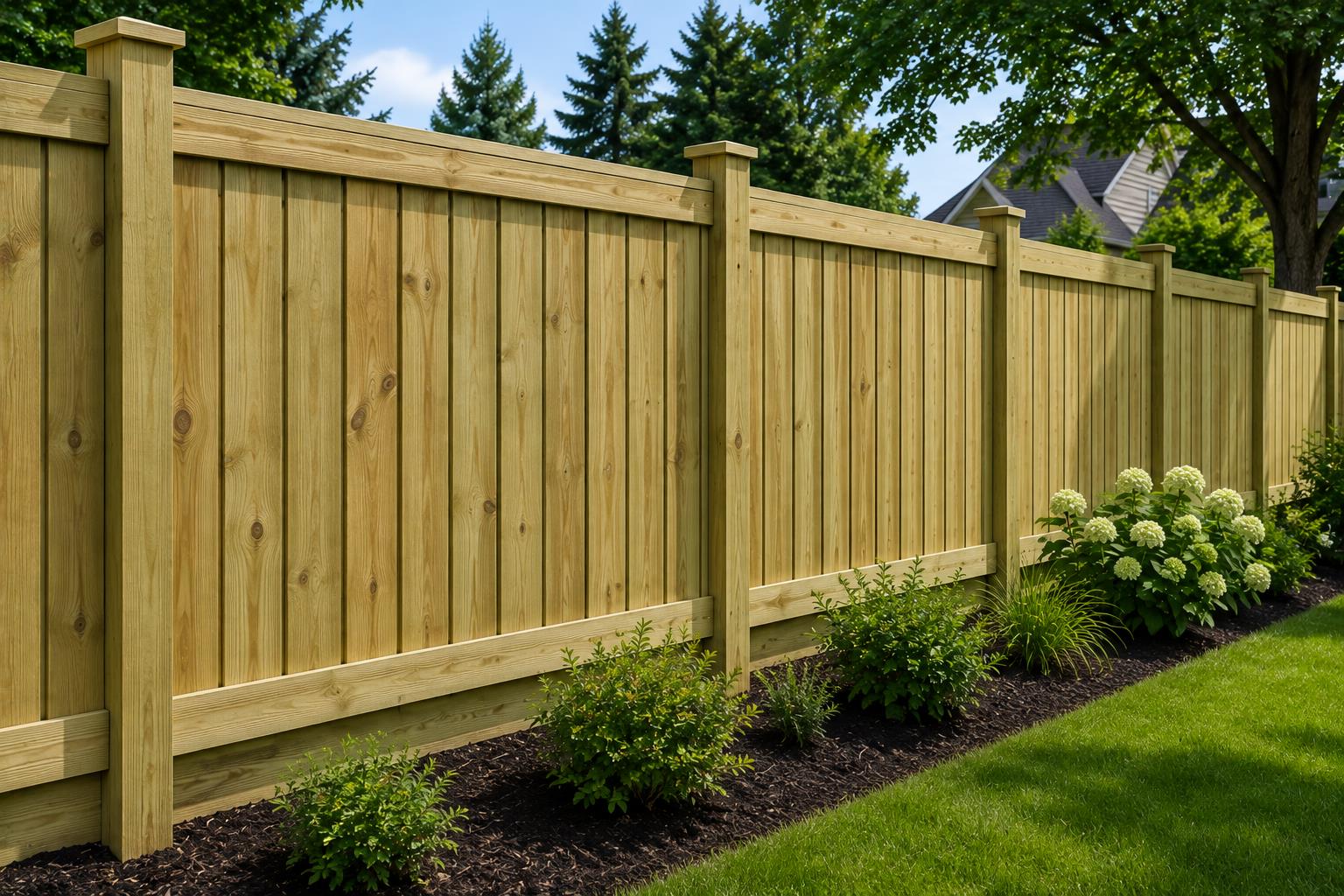
Pressure-treated lumber is wood that has been infused with preservatives under pressure. These preservatives help protect the wood from:
- Rot
- Fungal decay
- Moisture damage
- Termites
- Other wood-destroying insects
Today’s pressure-treated lumber is commonly used for:
- Fence posts
- Fence rails
- Deck framing
- Outdoor structures
- Landscaping projects
Because of its affordability and durability, pressure-treated lumber remains one of the most widely used outdoor building materials.
What Makes Cedar Different?
Unlike pressure-treated lumber, cedar naturally contains oils that help resist insects, moisture, and decay.
Cedar is valued because it offers:
- Beautiful natural color
- Attractive grain patterns
- Pleasant aroma
- Excellent dimensional stability
- Less shrinking and twisting than many other wood species
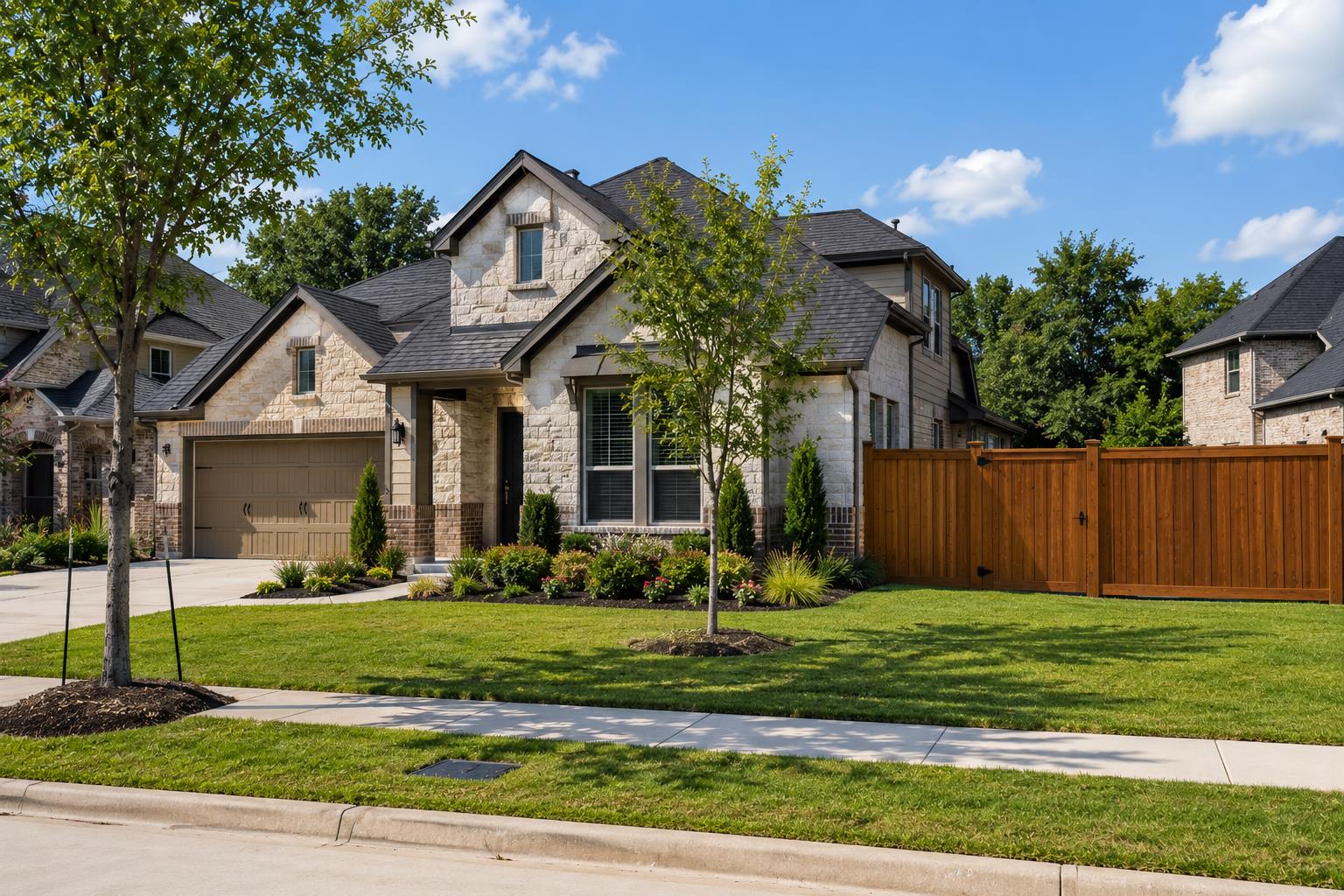
Many homeowners choose cedar because it delivers a more refined, high-end appearance while still performing well outdoors.
Which Fence Lasts Longer?
When properly installed and maintained, both materials can provide many years of service.
Generally speaking:
- A well-maintained pressure-treated fence can last 15–20 years or more.
- A properly maintained cedar fence often lasts 20–30 years, depending on climate, construction quality, and maintenance.
The lifespan of either fence depends on factors such as:
- Drainage around posts
- Soil moisture
- Exposure to sprinklers
- Sun exposure
- Proper installation
- Regular maintenance
The quality of the lumber also plays a significant role in long-term performance.
Which Fence Requires Less Maintenance?
Both materials benefit from routine maintenance, but their needs differ.
Pressure-Treated Lumber
Pressure-treated lumber should be allowed to dry after installation before applying stain or sealant. Once dry, periodic sealing helps reduce:
- Moisture absorption
- Surface cracking
- Warping
- UV damage
Cedar
Cedar can be left untreated if you enjoy its natural weathered gray appearance.
However, if you’d like to preserve its original rich color, applying a UV-protective stain every few years can help maintain its appearance.
Which Fence Looks Better?
Appearance is one of the biggest reasons homeowners choose cedar.
Cedar
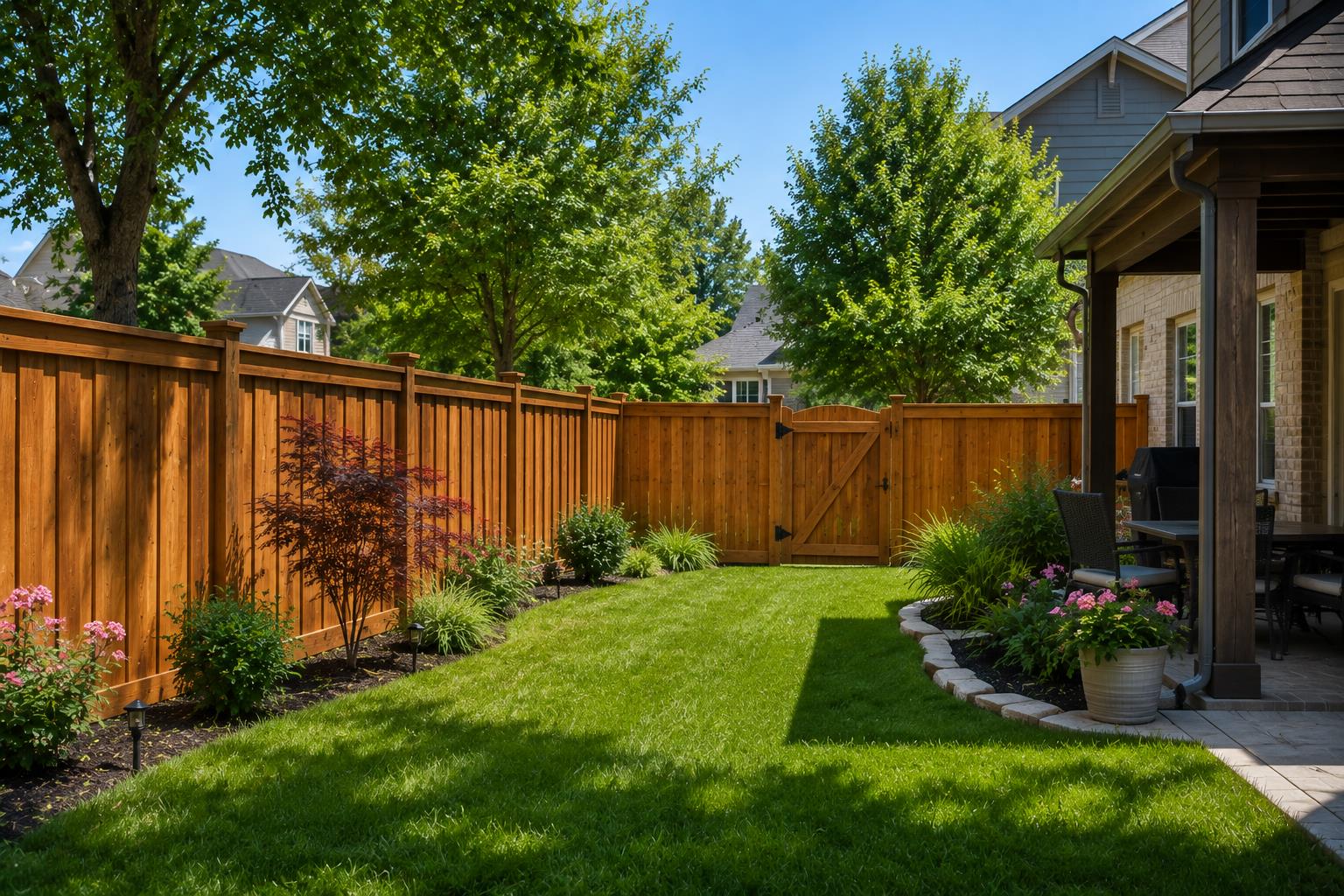
Cedar offers:
- Rich natural tones
- Distinct wood grain
- Premium curb appeal
- Rustic or modern design flexibility
Many homeowners feel cedar provides a more upscale finish immediately after installation.
Pressure-Treated Lumber
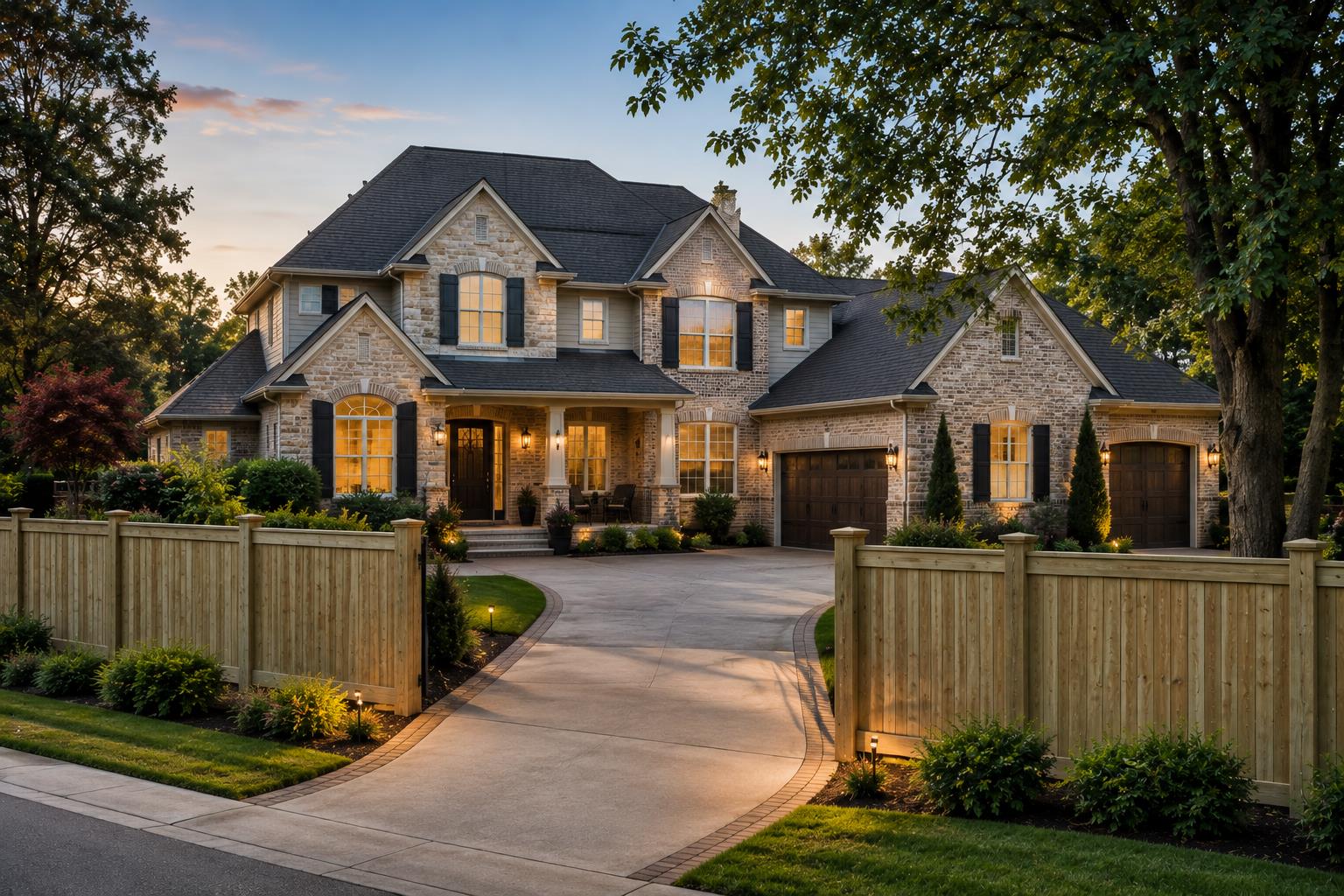
Pressure-treated lumber often has a slight green tint when new due to the treatment process.
Over time, the wood dries and the color fades. It can then be stained in a variety of colors to better complement the home’s exterior.
Which Material Is More Stable?
Wood naturally expands and contracts as moisture levels change.
Because cedar contains natural oils and generally has greater dimensional stability, it is often less prone to:
- Twisting
- Cupping
- Excessive shrinking
- Warping
Pressure-treated lumber performs well but may experience more movement while drying after installation.
Allowing the lumber to acclimate and following proper construction techniques helps minimize these issues.
Which Fence Is Better for Wet Climates?
Both materials perform well outdoors when properly installed.
Pressure-treated lumber is specifically designed to resist moisture-related decay, making it an excellent option where wood is frequently exposed to damp conditions.
Cedar also performs exceptionally well because its natural oils help resist moisture and insect damage.
Regardless of material, good drainage and keeping fence boards from sitting directly against the soil will help maximize longevity.
Which Option Costs Less?
For many homeowners, budget is a deciding factor.
Pressure-treated lumber typically has a lower upfront cost, making it an attractive option for:
- Large fencing projects
- Rental properties
- Budget-conscious homeowners
- Utility fencing
Cedar generally costs more initially but offers premium aesthetics and excellent long-term performance that many homeowners find worth the investment.
Rather than focusing only on the purchase price, consider:
- Expected lifespan
- Maintenance costs
- Desired appearance
- Home value
- Long-term satisfaction
Can You Combine Pressure-Treated and Cedar?
Absolutely.
Many professional fence builders combine the strengths of both materials.
A common approach is:
- Pressure-treated posts below ground for excellent moisture resistance.
- Cedar pickets and trim above ground for superior appearance.
This combination provides durability where it’s needed most while maintaining the attractive look homeowners want.
Which Fence Is Better for Texas?
Both materials perform well throughout Texas.
Pressure-treated lumber is an excellent choice for:
- High-moisture areas
- Cost-conscious projects
- Large perimeter fences
Cedar is often preferred for:
- Decorative fencing
- Privacy fences
- Custom homes
- Premium residential neighborhoods
Working with a knowledgeable lumber supplier can help you select the right material based on your local climate and project goals.
Tips for Making Your Fence Last Longer
No matter which material you choose, these practices can significantly extend the life of your fence:
- Install posts properly with adequate drainage.
- Keep vegetation trimmed away from the fence.
- Avoid allowing sprinklers to spray fence boards regularly.
- Repair damaged boards promptly.
- Apply stain or sealant as recommended.
- Clean mildew or algae before it causes long-term damage.
- Purchase quality lumber from a reputable supplier.
Proper installation and maintenance often have just as much impact on longevity as the wood species itself.
Frequently Asked Questions
Is cedar better than pressure-treated wood for fencing?
Neither is universally better. Cedar offers a premium appearance and excellent natural stability, while pressure-treated lumber provides outstanding durability at a lower initial cost.
Does pressure-treated lumber rot?
Pressure-treated lumber is designed to resist rot and decay, but it isn’t completely immune. Proper installation and routine maintenance help maximize its lifespan.
Is cedar naturally resistant to insects?
Yes. Cedar contains natural oils that help repel termites and other wood-destroying insects while also resisting fungal decay.
Can I stain both pressure-treated and cedar fences?
Yes. Pressure-treated lumber should dry thoroughly before staining. Cedar can be stained immediately if desired to preserve its natural color.
Which fence increases curb appeal?
Many homeowners choose cedar because of its attractive grain, warm color, and premium appearance. However, a well-built pressure-treated fence that’s properly stained can also provide excellent curb appeal.
Should fence posts be pressure-treated?
Yes. Even when building a cedar fence, many contractors recommend pressure-treated posts because they provide excellent resistance to soil moisture and decay.