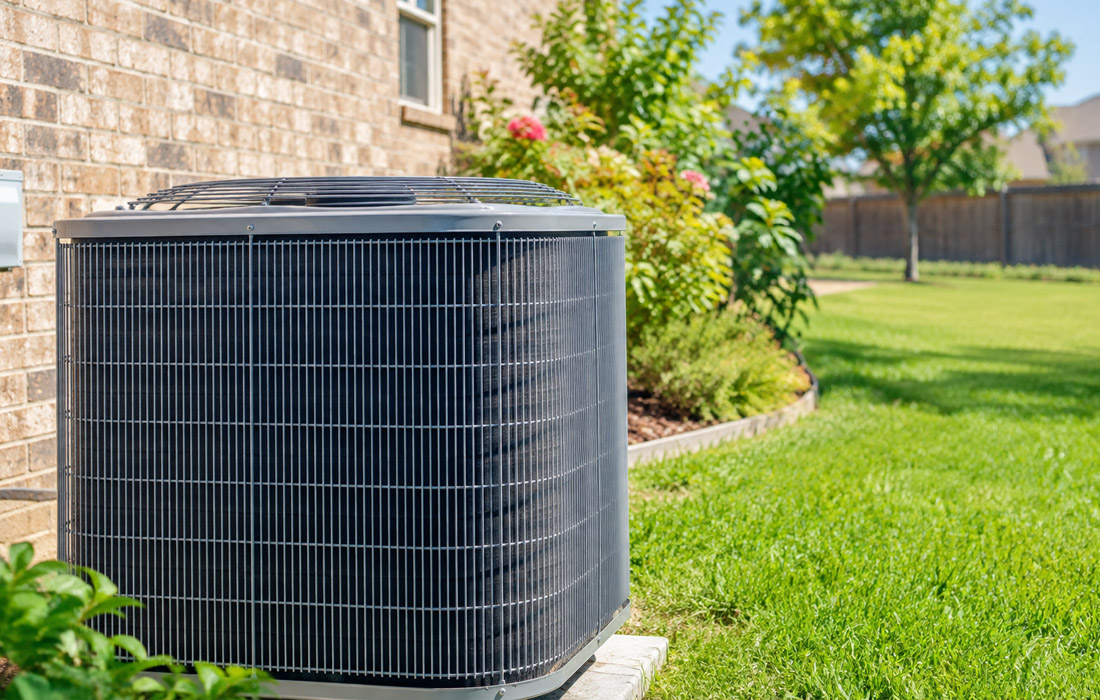
Oklahoma heat arrives fast, and when it does, an untested air conditioner can become the weak link in a comfortable home. Many households wait for the first hot day to switch the thermostat to cool, only to discover a hesitant condenser, lukewarm vents, or a damp spot from a clogged drain line. Skipping preseason maintenance lets small issues build up: dust-caked blower wheels, matted condenser fins, weakened capacitors, or algae in a condensate trap. This article explains why waiting costs more, the stress startup puts on key components, the safe checks a homeowner can do, and the specialized measurements a technician uses to set the system up for a reliable summer.
The Mistake: Waiting for the First Heat Wave to Test Your AC
After months of sitting idle, refrigerant migrates, oil drains to the compressor sump, and dust settles on the indoor return, filter, and blower wheel. Outside, leaves and cottonwood fluff gather against the condenser coil. Then summer hits, and the system goes from zero to long runtimes. Professional seasonal service in and around Kiefer, such as AC Maintenance in Kiefer, Ok, is designed to catch wear and buildup before that stress lands on your equipment.
A common scenario looks like this: the thermostat clicks to cool, the outdoor fan twitches, and the condenser hums but struggles to start. A weak dual run capacitor or pitted contactor can make the compressor draw high inrush current, trip a breaker, or overheat. Indoors, a dirty filter raises static pressure, starves the evaporator of airflow, and the coil begins to frost. When it finally thaws, the condensate pan may overflow if algae already constrict the drain line.
Consequence: Strain on Capacitors, Contactors, and Motors
Capacitors age even while a system sits. On the first hot day, a marginal capacitor can no longer provide the phase shift the condenser fan motor and compressor need for a clean start. That hesitation scorches contactor points, raises amperage, and drives head pressure up. If condenser fins are matted with red dirt dust or grass clippings, heat rejection suffers, the condenser fan runs hotter, and the compressor cycles off on thermal protection. These stresses multiply if the blower wheel is caked and the return filter is overdue, because low airflow drops suction pressure and invites coil icing.
Energy and comfort take a hit too. The system may run longer to remove heat but fail to wring out humidity, so rooms feel muggy even at a lower setpoint. Duct leaks amplify the problem by pulling attic or crawlspace air into the return, adding heat and moisture the coil must handle. Another realistic weekend headache: a clogged condensate line trips a float switch and shuts the system down just as the house fills with guests. Without a float switch, the same clog can stain a ceiling below the air handler before anyone notices.
Correction: A Preseason Checklist You Can Do Safely
Start with airflow. Replace the return air filter with the correct size and a MERV rating that balances efficiency with airflow. A very high MERV filter can catch more particles but may choke a system with marginal ductwork; many homes do better with a moderate MERV that keeps static pressure in check. Vacuum dust from the return grille, confirm supply registers are open, and move rugs or furniture that block them. At the air handler, pour a cup of diluted white vinegar into the condensate drain tee to discourage algae. Outside, keep at least two feet of clearance around the condenser, trim shrubs, and remove leaf buildup from the base.
Take care with the coil. With power off at the disconnect, a gentle rinse can help, but blasting water through the coil can fold fins and push debris deeper. If you cannot access the coil from the inside to rinse outward, leave deeper cleaning and any fin straightening to a technician. For an early test run on a mild day, set the thermostat to cool, confirm the outdoor fan and compressor start, and after several minutes check for steady, cool airflow at a supply register. Look for a steady trickle from the condensate drain, and make sure the outdoor suction-line insulation is intact and not crumbling.
Where Pros Add Value: Measurements You Cannot See or Guess
Some problems only show up on gauges and meters. A technician can measure superheat and subcooling to verify refrigerant charge rather than guessing by feel. The wrong charge pushes pressures out of range, which can overheat a compressor or let the coil frost even with a new filter. Pros also test capacitor microfarads under load, inspect the contactor for pitting, check blower motor amperage against the nameplate, and measure total external static pressure with a manometer to spot duct restrictions. They can open and clean the evaporator coil, flush the condensate trap with pressurized nitrogen, verify float switch operation, and calibrate the thermostat to reduce short cycling. Those steps set the system up to run within design limits, which helps protect parts you rarely see.
Prevention: Timing, Filters, and Small Habits That Extend System Life
Timing matters. Plan your preseason check before consistent highs arrive, and mark the calendar for filter replacements every one to three months depending on dust, pets, and renovation activity. Avoid closing off multiple supply registers, which raises static pressure and can make the evaporator run too cold. Do not wrap the condenser in plastic during winter; trapping moisture promotes corrosion and invites rodents. Keep dryer exhaust pointed away from the unit so lint does not mat the fins. Use gradual thermostat setpoints rather than big swings that force repeated hard starts, and let ceiling fans help you feel cooler so the AC can run steadier, longer cycles that control humidity.
Preseason maintenance is less about polishing metal and more about restoring the pressures, airflow, and drainage your AC needs to survive long Oklahoma heat waves. A short at-home checklist, followed by targeted professional testing when needed, prevents the cascade from weak starts to overheated parts, icy coils, and water where it does not belong. If your early test reveals hesitation, odd noises, or a dry condensate line, treat those as signals rather than waiting for the first 100-degree afternoon to put the system under maximum load. A little attention now buys a quieter, cooler, and more predictable summer later.



