Key Takeaways
- Predictable implant care starts with appropriate patient screening and case selection.
- Implant position should be planned around the intended restoration, not surgery alone.
- Digital records and guided tools require careful verification before treatment.
- Hands-on training is most useful when it includes supervision, feedback, and complication management.
- Clear communication helps the dental team deliver safer, more consistent care.
Dental implant treatment is most dependable when it follows a clear process from diagnosis through long-term maintenance. For clinicians refining their skills, education providers such as Simply Implants Institute can support a structured approach to planning, surgical execution, restorative coordination, and follow-up care. A repeatable workflow does not replace clinical judgment. Instead, it gives the dentist and team a reliable framework for collecting information, identifying risk, communicating with the patient, and making thoughtful decisions when a case becomes more complex than expected.
Why A Consistent Workflow Matters
Implant treatment involves connected decisions. Medical and periodontal findings affect surgical choices, implant position affects restorative design, and restorative contours affect hygiene access and maintenance. When each stage is handled as an isolated task, important details can be lost. A documented workflow helps the team review the same records, confirm responsibilities, and create a useful reference for future visits.
Start With Better Case Selection
Case selection begins with a complete medical history, current medications, an oral health assessment, a periodontal evaluation, diagnostic imaging, a bone review, and a conversation about the patient’s goals. Early experience is often best developed with cases that have straightforward anatomy, sufficient restorative space, manageable esthetic demands, and patients who understand the need for follow-up care. Warning signs may include untreated periodontal disease, poorly controlled systemic conditions, limited access for hygiene, uncertain patient expectations, inadequate bone, or a need for advanced grafting. These factors do not automatically rule out implant treatment, but they may require additional care, more planning, consultation, or referral. For example, placing an implant before defining the restorative space can result in a crown that is difficult to clean or restore appropriately.
Build A Prosthetically Driven Treatment Plan
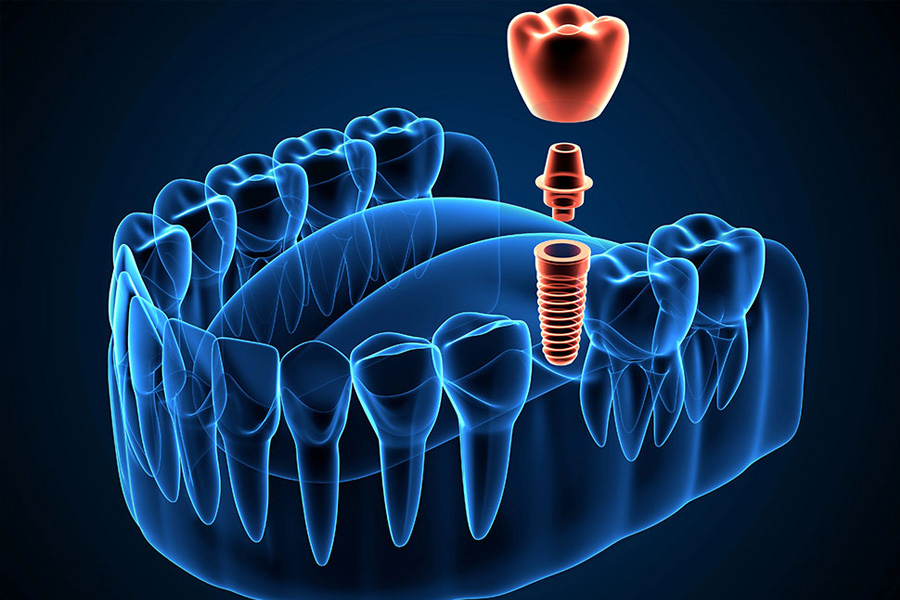
A prosthetically driven plan begins with the desired final restoration. The dentist should consider occlusion, esthetics, available mesiodistal and vertical space, soft-tissue contours, screw-access position, and the patient’s ability to maintain the site. The laboratory, hygienist, assistant, and patient all contribute information that can influence a durable plan.
A Practical Planning Sequence
- Evaluate the patient and collect accurate diagnostic records.
- Define the intended restorative result and maintenance needs.
- Review anatomy, tissue conditions, and clinical risks.
- Select the surgical approach and provisionalization strategy.
- Confirm how the restoration will be monitored and maintained.
Use Digital Tools With Clinical Judgment
CBCT imaging, intraoral scans, digital wax-ups, planning software, and surgical guides can improve visualization and communication. They can also help the team connect restorative goals with anatomical information. However, technology only supports the quality of the records and decisions behind it. Inaccurate scans, incomplete data matching, unverified guide seating, or unclear laboratory instructions can carry errors forward into surgery. Before the appointment, review the planned restoration, imaging, guide design, implant system components, surgical kit, and backup options. Confirm that the digital plan reflects the patient’s current clinical condition. If records no longer match the mouth, pause and reassess rather than treating a software plan as final.
What Effective Hands-On Training Should Include
Lectures establish foundational knowledge, while simulation, observation, supervised surgery, and case review help clinicians apply that knowledge. Effective training connects diagnosis with placement, impressions or scans, provisional restorations, final prosthetics, maintenance, and referral decisions. Feedback is especially important because it helps clinicians identify limits before a difficult situation becomes a patient safety concern. Observation can also add value when it is paired with discussion of planning and decision-making. In a survey of live surgery continuing education in implantology, participants reported higher satisfaction with live demonstration courses than traditional courses. However, satisfaction alone is not a substitute for supervised clinical competency assessment.
Improve Communication Across The Dental Team
Each team member should understand the plan. The treating dentist directs diagnosis and clinical decisions. Assistants prepare records, instruments, sterilization procedures, and post-operative materials. The laboratory needs complete restorative instructions, while the treatment coordinator can reinforce scheduling, financial discussions, and patient expectations. The patient needs plain-language explanations, consent information, and clear home-care instructions.
Brief The Team Before Complex Visits
- Confirm medical history updates, medication review, and consent.
- Review imaging, guide use, implant components, and laboratory instructions.
- Assign responsibilities for documentation, post-operative instructions, and follow-up contact.
- Discuss potential changes to the plan and when the dentist will pause or refer.
Prepare For Complications Before They Happen
Complication planning includes prevention and response. Possible concerns include insufficient primary stability, soft-tissue limitations, infection, discomfort, prosthetic loosening, or restorative complications. The team should know how to document findings, communicate promptly with the patient, schedule reassessment, and seek consultation when the case exceeds the clinician’s training or available resources. Honest explanations are particularly important when the timing of healing or restoration changes.
How To Compare Implant Education Programs
Before enrolling, clinicians should ask who teaches the course, what experience is expected, how much supervised practice is included, whether surgery and restoration are both covered, and how complications are assessed. Continuing education courses, certificate programs, residencies, and credentialing pathways serve different purposes. Reviewing postgraduate training standards and educational options can help clinicians compare program structure with their current skills and goals.
A Practical Implant Workflow Checklist
- Confirm patient goals, expectations, and informed consent.
- Review medical, dental, periodontal, and restorative findings.
- Collect and verify diagnostic records.
- Identify anatomy, risks, and referral needs.
- Plan the restoration before finalizing the implant position.
- Confirm instruments, materials, guide fit, and laboratory steps.
- Brief the dental team before treatment.
- Provide written post-operative instructions and follow-up appointments.
- Review the completed case and record lessons for future planning.
Final Thoughts
A dependable implant workflow is built on sound diagnosis, disciplined planning, practical training, and consistent communication. Digital tools can strengthen the process by improving records, visualization, treatment planning, and coordination, but they work best when paired with careful case selection and sound clinical judgment. Clinicians should also remain prepared to pause, reassess the plan, address new findings, or refer when a case falls outside their training or available resources. Clear communication among the dentist, surgical team, laboratory, and patient can help ensure that everyone understands the treatment goals, responsibilities, and follow-up requirements. Regular review of completed cases can also identify areas for improvement and help turn individual experiences into better workflows. That combination supports more informed decisions for both the clinician and the patient while keeping treatment adaptable to individual anatomy, healing, and changing clinical needs.