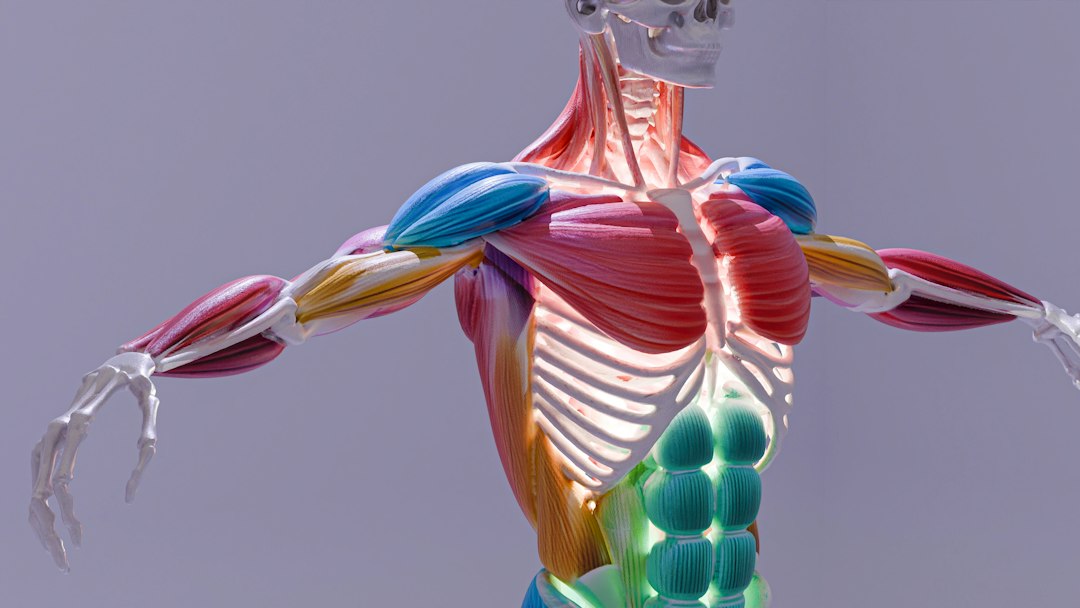
Physical Phases of the Personal Injury Recovery Timeline
When embarking on a personal injury recovery journey, understanding the biological processes at play is fundamental. Healing is not a singular event but a phased process, influenced by the type and severity of the injury, as well as individual physiological factors. Our bodies are incredibly resilient, but they require time, support, and a structured approach to repair and regain function. This journey typically progresses through distinct stages, each with specific goals and challenges, from the initial acute inflammatory response to the long-term remodeling of tissues. Factors such as age, overall health, nutritional intake, and even sleep quality significantly impact the speed and efficacy of this biological repair. For instance, while mild strains might resolve in days, severe injuries like complete ligament ruptures or fractures can demand many months, or even a year, of dedicated recovery.
Acute Inflammatory Response and Early Mobilization
The immediate aftermath of an injury triggers the acute inflammatory phase, which typically lasts from the first few hours up to about seven days. This critical period is characterized by pain, swelling (edema), redness, and warmth as the body initiates its natural healing mechanisms. The first 72 hours at home are particularly crucial for preventing complications and setting the stage for optimal recovery. During this time, applying the RICE protocol—Rest, Ice, Compression, and Elevation—can help manage inflammation and pain effectively.
While rest is important, complete immobilization is often counterproductive. Early, controlled movement within a safe range of motion, guided by a medical professional, can significantly reduce stiffness, prevent muscle atrophy, and promote circulation. This careful balance between protection and gentle activity is key to facilitating the body’s initial repair processes and ensuring that the injured area does not become overly stiff or weak.
Progressive Loading and Tissue Remodeling
Following the acute phase, the body enters the subacute or proliferative phase, generally spanning from one to six weeks. Here, new collagen fibers begin to form, laying down the foundation for tissue repair. This is a crucial time for progressive loading, where controlled stress is gradually introduced to the healing tissues. This process encourages the newly formed collagen to align correctly and develop tensile strength, which is vital for restoring function.
As recovery progresses into the remodeling or maturation phase, which can extend from six weeks to well over a year, the collagen fibers mature and strengthen, and the tissue regains its original structure and function. For example, while bone union might appear radiographically within 6-12 weeks, achieving full load-bearing strength can take up to a year. Tendons and ligaments, known for their slower healing rates, can continue to strengthen and remodel for up to a year after the initial injury. During this prolonged phase, muscle reconditioning, progressive strength building, and neuromuscular re-education—including proprioception training to restore balance and coordination—become paramount. Incorporating supportive therapies, such as regular, gentle chiropractic care, can also play a vital role in maintaining spinal alignment, reducing nerve interference, and enhancing the body’s natural healing capabilities throughout this extended recovery period. Consistent adherence to a clinician-guided program during these phases is strongly linked to better long-term outcomes and reduced risk of re-injury.
Holistic Strategies for Long-Term Healing and Daily Function
Beyond the direct physical rehabilitation of the injured area, a holistic approach to personal injury recovery encompasses supporting the entire body and mind. This means paying close attention to nutrition, sleep, energy management, and adapting daily living activities to accommodate your healing process. Ignoring these crucial elements can slow down recovery, impact mood, and even compromise the effectiveness of physical therapy. Our goal is not just to heal the injury, but to restore overall well-being and functional independence.
Building a Structured Personal Injury Recovery Routine
A structured recovery plan is your roadmap to regaining strength and functionality. It integrates medical follow-ups, a consistent rehabilitation routine, emotional support, and practical assistance for daily living. One of the most effective strategies is “habit stacking,” where you link your rehab activities to existing daily routines. For instance, scheduling your exercises immediately after breakfast or before your evening wind-down can significantly improve adherence.
Patient adherence is strongly linked to better rehabilitation progress, and small, repeatable habits often prove more effective than occasional intense efforts. Consider a “two-minute rehab setup” where you lay out your bands, shoes, and a timer so exercises start friction-free. A “three-point home exercise check” can involve reviewing your form in a mirror, noting any pain, and confirming you’ve completed the prescribed repetitions. For pain monitoring, using a “green-yellow-red” scale can help guide your activity levels: green means no pain or mild discomfort, yellow indicates moderate pain requiring caution, and red signals sharp or worsening pain that necessitates stopping and reassessing.
Keeping a simple weekly log of pain levels, sleep quality, mobility, and mood can help you track progress and identify patterns, allowing you to discuss plan adjustments with your clinician. Identifying two support contacts for pain spikes or challenging days, and specifying how they can help (e.g., grocery shopping, transportation), can also alleviate stress. Furthermore, creating a list of daily tasks that cause pain and assigning assistance for them, even if temporary, can conserve energy for your therapy sessions.
Managing Emotional Setbacks During Personal Injury Recovery
A personal injury impacts more than just the physical body; it can take a significant toll on mental and emotional well-being. Feelings like fear, irritability, frustration, and a general “not like myself” sensation are common emotional reactions to trauma and chronic pain. These psychological challenges are a normal part of the recovery process and should be addressed with the same structured approach as physical rehabilitation.
Building psychological resilience involves acknowledging these feelings and developing coping mechanisms. Grounding techniques, such as deep breathing exercises or focusing on your senses, can be helpful during moments of anxiety or overwhelm. If symptoms of low mood, anxiety, or post-trauma stress persist beyond a couple of weeks, considering counseling or cognitive behavioral support can provide invaluable tools for processing the experience and developing healthier coping strategies. Maintaining mental resilience, especially during periods of inactivity or slow progress, is crucial. Emotional recovery is a marathon, not a sprint, and seeking professional help is a sign of strength, not weakness.
Navigating Legal Rights, Negligence, and Workplace Protections
Beyond the personal journey of physical and emotional healing, a personal injury often involves navigating complex legal and administrative landscapes. Understanding your rights, especially concerning negligence, liability, and potential compensation, is crucial for securing the resources needed for your recovery. This is particularly true for workplace injuries, where specific reporting procedures and protections for workers’ compensation benefits come into play. Taking immediate, decisive steps after an injury can significantly support both your healing process and your legal options.
Establishing Negligence and Identifying Liable Parties
In many personal injury cases, the ability to recover compensation hinges on proving negligence. Negligence is a legal concept that means someone failed to exercise reasonable care, and that failure directly caused your injury. To establish negligence, four key elements must typically be proven:
- Duty of Care: The defendant owed you a legal duty to act reasonably (e.g., a driver has a duty to obey traffic laws, a property owner has a duty to maintain safe premises).
- Breach of Duty: The defendant failed to uphold that duty (e.g., the driver ran a red light, the property owner ignored a hazardous condition).
- Causation: The defendant’s breach of duty directly caused your injury.
- Damages: You suffered actual harm or losses as a result of the injury.
Identifying all potentially liable parties is also critical. A defendant in a personal injury lawsuit can be any individual or entity whose actions (or inactions) caused your injury. This could include other drivers, property owners, dog owners, product manufacturers, or even government entities. The burden of proof in civil cases like personal injury is a “preponderance of the evidence,” meaning it’s more likely than not (over 50%) that the defendant was negligent. For those navigating these complex legal waters, securing experienced personal injury legal representation can be indispensable in gathering evidence, building a strong case, and advocating for your rights.
Calculating Economic and Non-Economic Damages
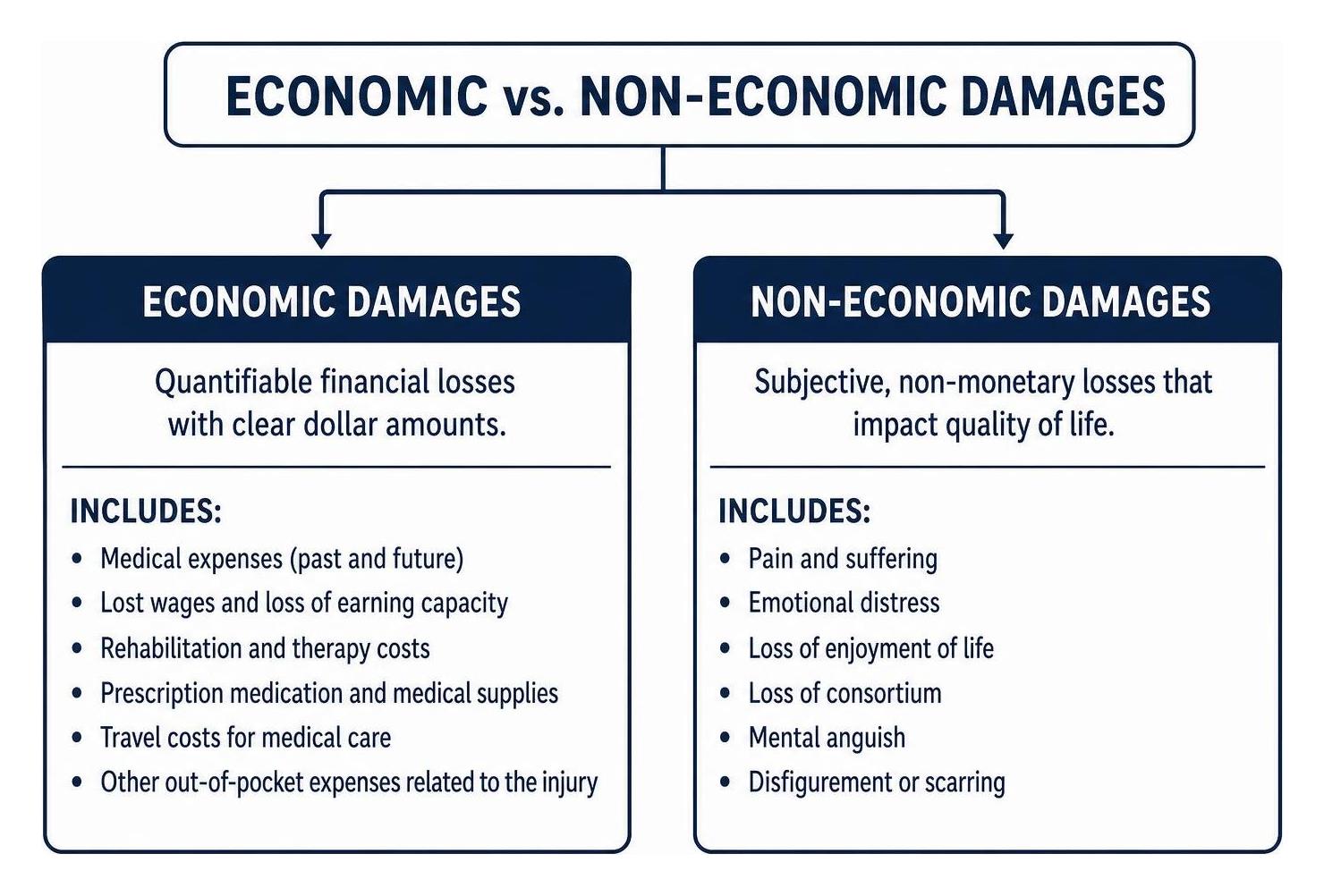
When pursuing a personal injury claim, the compensation you may be entitled to falls into two main categories: economic and non-economic damages. Understanding the distinction between these is vital for assessing the full scope of your losses.
Economic Damages Non-Economic Damages Quantifiable financial losses Subjective, non-monetary losses Medical bills (past and future) Pain and suffering Lost wages (past and future) Emotional distress (anxiety, depression, PTSD) Property damage Loss of enjoyment of life Rehabilitation costs Disfigurement or permanent impairment Home modifications for disability Loss of consortium (impact on spousal relationship) Out-of-pocket expenses (travel to appointments) Economic damages are relatively straightforward to calculate as they represent direct financial losses with clear documentation, such as medical bills, pay stubs, and repair estimates. Non-economic damages, however, are more subjective and aim to compensate for the intangible impacts of your injury. While more challenging to quantify, they are a significant component of many personal injury claims.
About 97% of all personal injury cases settle before reaching a trial verdict. This means that many claims are resolved through negotiations with insurance companies or through mediation, rather than in a courtroom. To support any claim for damages, it is imperative to save all receipts, appointment notes, and any documentation that illustrates your daily limitations and the impact the injury has had on your life. This meticulous record-keeping strengthens your position during settlement negotiations and helps ensure you receive fair compensation for both your financial and personal losses.
Frequently Asked Questions About Healing and Claims
What should you do if recovery progress plateaus?
Healing is rarely a straight line, and it’s common for recovery to feel slower than expected or to hit plateaus. If you find your progress stalling, the first step is to maintain a detailed symptom log. This weekly record of your pain levels, sleep quality, mobility, and mood can help you and your medical team spot patterns or triggers that might be hindering your recovery.
Do not hesitate to communicate openly with your clinician. They can reassess your condition, potentially recommend diagnostic imaging to rule out underlying issues, or adjust your therapy plan. This might involve changing exercises, exploring new modalities, or even referring you to a specialist. Pushing through sharp or worsening pain can delay progress and increase the risk of re-injury. Always use a green-yellow-red pain scale to guide your activity levels and follow your therapist-defined boundaries. Patient adherence to a simple, repeatable rehab routine strongly correlates with better outcomes, so consistency, even during plateaus, is key.
Can personal injury claims be resolved without going to trial?
Yes, absolutely. As we noted, approximately 97% of personal injury cases settle before a trial verdict is reached. This means that most claims are resolved through out-of-court settlements, typically involving negotiations between your legal representation and the at-fault party’s insurance company.
To maximize your chances of a favorable settlement, meticulous documentation is crucial. Save all medical receipts, appointment notes, records of lost wages, and any other documentation that demonstrates the financial and personal impact of your injury. A strong case, supported by clear evidence and a thorough liability assessment, often encourages insurance companies to offer a fair settlement to avoid the time, expense, and uncertainty of a trial. While a skilled personal injury lawyer will prepare your case as if it were going to trial, their expertise often lies in negotiating effectively to achieve a satisfactory resolution outside of court.
How quickly must a workplace injury be reported?
Reporting a workplace injury promptly is one of the most critical steps you can take to protect your workers’ compensation benefits and support your recovery. While specific statutory deadlines vary by jurisdiction, it is generally best practice to report the injury to your employer, typically HR or your supervisor, as soon as possible after it occurs. Many states have strict deadlines, sometimes as short as a few days or weeks, for official notification. Delaying reporting can jeopardize your claim.
Ensure your report is formal and, if possible, in writing, documenting the date, time, and circumstances of the injury. Seek medical attention immediately and clearly state that the injury occurred at work. Obtain written work restrictions from your clinician, outlining any limitations on your duties or hours, and provide these to your employer. Meticulous documentation of all medical visits, treatments, and communications related to your injury is essential for protecting your workers’ compensation benefits and ensuring you receive the support you need for healing and a safe return to work.
Conclusion
Navigating personal injury recovery is a multifaceted journey that demands a comprehensive approach, addressing not only the physical wounds but also the emotional toll and the intricate legal landscape. We’ve explored the typical phases of physical healing, emphasizing the importance of structured rehabilitation, from early mobilization to progressive loading, and the critical role of consistent adherence.
Beyond the physical, we’ve highlighted the necessity of holistic strategies, including nutritional support, adequate sleep, and the development of small, repeatable habits that collectively contribute to long-term healing and daily function. Managing the emotional challenges that often accompany an injury, such as fear and frustration, is equally vital, advocating for psychological resilience and professional support when needed.
Furthermore, understanding your legal rights, from establishing negligence and identifying liable parties to differentiating between economic and non-economic damages, empowers you to secure the compensation necessary for your recovery. Prompt action, meticulous documentation, and, when appropriate, securing expert legal counsel, are paramount in protecting your interests.
Personal injury recovery is a testament to perseverance and patient advocacy. By embracing a structured, holistic approach and understanding both the medical and legal pathways available, you can navigate this challenging period with greater confidence, steadily progressing towards regaining your strength, stability, and overall well-being.