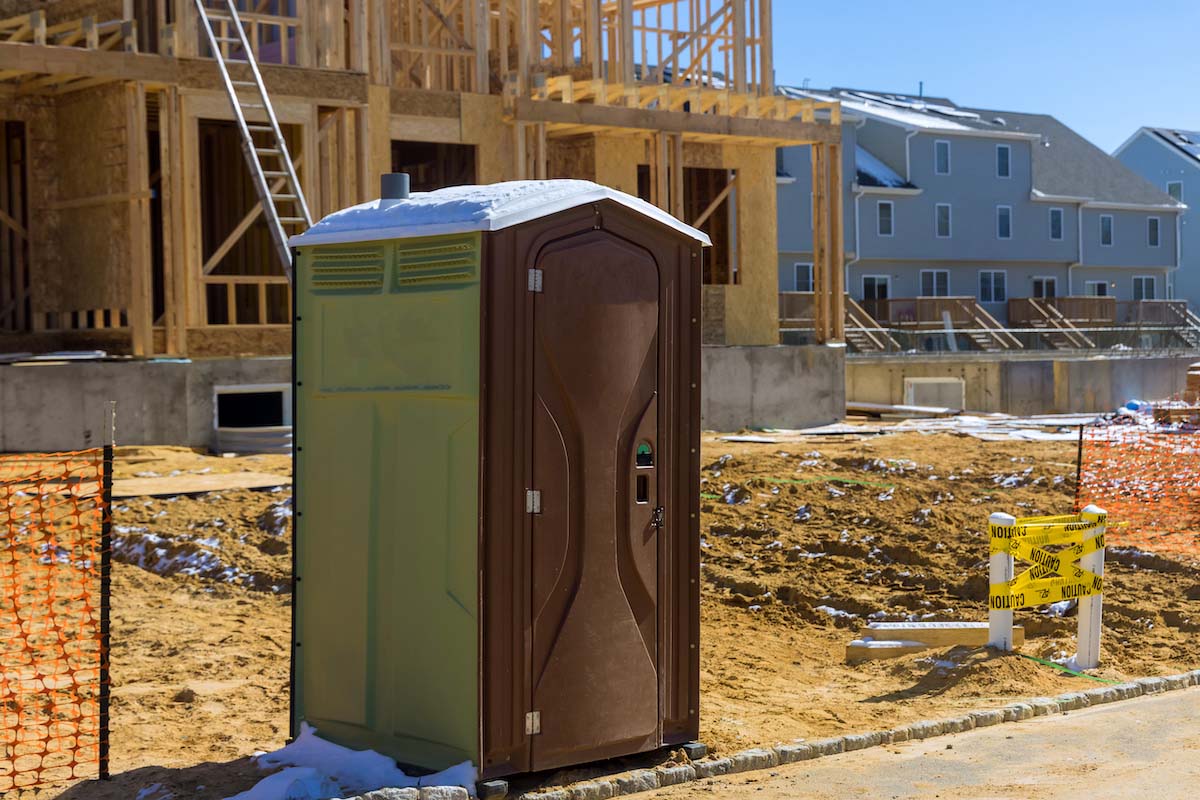
New home construction sites need practical restroom access from the beginning of the project. Builders are coordinating excavation, framing, utility work, roofing, siding, inspections, deliveries, subcontractors, and finish trades, often on properties where no indoor plumbing is available yet, explain Castle Management experts. Without a clear portable toilet placement plan, crews may waste time leaving the site, service access may be blocked, or the unit may end up interfering with daily work.
Portable toilet placement is not just about finding an empty corner of the lot. The unit needs to be accessible, stable, serviceable, respectful of neighboring properties, and positioned so it supports the job instead of getting in the way. A good placement strategy helps builders maintain a more professional, efficient construction site from early site prep through final punch work.
Start With the Site Layout
Before placing a portable toilet, builders should review the full site layout. A new home construction site changes constantly. Early in the project, the lot may be open except for excavation and foundation work. Later, framing, driveways, material stacks, utility trenches, scaffolding, dumpsters, and equipment can change how crews move around the property.
Placement should account for the entire construction sequence, not just the first week. A spot that seems convenient during excavation may block siding delivery later. A location that works before the driveway is poured may become a problem once concrete, grading, or landscaping begins.
The best placement gives crews easy access while leaving room for the project to develop.
Keep the Unit Close Enough for Crews
Portable toilets should be close enough that workers can use them without leaving the active site area. If the unit is too far away, restroom breaks take longer and crews may look for off-site options. That creates unnecessary downtime, especially when multiple trades are working throughout the day.
At the same time, the unit should not be placed directly in the middle of the work zone. Workers should not have to pass through equipment paths, unstable ground, or active material handling areas to reach it. A practical location balances convenience with safety.
Working with providers such as Rent Porta Johns can help builders coordinate portable toilet placement, delivery timing, and service access around the realities of new home construction.
Protect Service Truck Access
A portable toilet needs regular service to stay clean and usable. Builders should place the unit where a service truck can reach it without requiring major site rearrangement. If access is blocked by lumber, trusses, roofing materials, crew vehicles, dumpsters, or equipment, service can be delayed.
Service access should be considered before the unit is delivered. The provider needs a clear approach, and the area around the unit should remain open. Builders should avoid placing the toilet behind locked gates, deep inside a lot, or in a spot that becomes inaccessible once framing or exterior work begins.
A restroom that cannot be serviced reliably will quickly become a jobsite complaint.
Avoid Blocking Material Deliveries
New home construction involves frequent deliveries. Lumber, trusses, sheathing, windows, doors, roofing, siding, drywall, cabinets, flooring, appliances, and finish materials may all need space at different points. Portable toilet placement should not interfere with these deliveries.
Builders should identify the most important delivery zones before choosing a location. If trucks need driveway access, curb access, or room to unload near the structure, the unit should not sit in that path. It should also be kept away from areas where materials will be staged for several days.
Good placement reduces the chances of having to move the unit later.
Consider the Driveway and Future Hardscapes
On a new build, the driveway may not exist yet, or it may be installed midway through the project. The same may be true for walkways, patios, porches, retaining walls, or grading work. Builders should avoid placing the portable toilet where it will interfere with these future improvements.
If the driveway is scheduled soon, the unit should not sit where excavation, base preparation, forming, pouring, or curing will occur. If grading crews need to reshape the front or side yard, the toilet may need to stay outside those zones. Moving it once is manageable, but repeated moves can interrupt site organization.
Placement should support both current access and future site work.
Use Stable, Level Ground
Portable toilets should be placed on stable, level ground whenever possible. New construction lots often include soft soil, mud, gravel, slopes, ruts, and uneven areas. A unit placed on unstable ground can shift, lean, or become difficult to use safely.
Builders should look for a firm area that drains reasonably well. The spot should not collect standing water after rain or become a muddy obstacle for crews. If the site has limited stable ground, placement may require extra coordination to keep the unit usable through changing weather conditions.
A stable location protects both workers and the facility.
Keep It Away From Active Hazards
The portable toilet should not be placed near active hazards such as excavation edges, open trenches, heavy equipment routes, crane or lift paths, falling-material zones, or areas where cutting and grinding are happening. It should also be kept away from unstable stockpiles, temporary power setups, and utility work zones.
Workers need to reach the restroom without walking through unnecessary risk. Builders should also think about visibility. A unit hidden behind materials or equipment may be harder for workers to access safely, especially on crowded sites.
Placement should make the facility easy to use without exposing workers to avoidable hazards.
Respect Neighboring Properties
New home construction often happens in neighborhoods where nearby residents are watching the project closely. Poor portable toilet placement can create unnecessary friction if the unit faces a neighbor’s porch, sits too close to a property line, blocks a shared entrance, or becomes a visible nuisance.
Builders should choose a location that is practical but considerate. The unit should be positioned away from neighboring doors, windows, patios, and high-traffic residential areas when the lot allows. If the site is tight, keeping the unit clean and serviced becomes even more important.
Respectful placement helps the builder maintain a better relationship with the surrounding neighborhood.
Plan for Multiple Trades
Portable toilet use can increase as more trades arrive. Early site work may involve a small crew, while framing, roofing, siding, mechanicals, drywall, and finish phases may bring more people onto the property. Builders should consider expected crew size when planning placement and service.
If several trades are working at once, the toilet should be accessible from the main work areas without disrupting each crew’s movement. On larger lots or projects with detached garages, rear structures, or multiple work zones, builders may need to think carefully about whether one location serves the site well.
The placement should match how crews will actually use the property.
Keep the Area Around the Unit Clean
Even a well-placed portable toilet can become a problem if the area around it is neglected. Scrap lumber, packaging, mud, nails, tools, and debris should not collect near the entrance. Workers should be able to access the unit without stepping over jobsite clutter.
Builders should include the restroom area in regular site cleanup. If the unit is near the dumpster, material stacks, or parking area, crews should keep enough clearance for safe entry and service. A clean restroom area reflects the same professionalism expected in the rest of the jobsite.
Small maintenance habits help prevent complaints.
Adjust Placement as the Job Progresses
New home construction sites change too much for one placement decision to work every time. A portable toilet may need to be moved when framing begins, when the driveway is poured, when exterior work starts, when landscaping begins, or when final access changes.
Builders should review placement at major project milestones. If the unit begins blocking work, deliveries, or service access, it is better to adjust early than let it become a daily obstacle. Planned moves are easier than emergency moves after a truck cannot access the unit or a crew cannot work around it.
A flexible approach keeps sanitation aligned with the project.
Communicate Placement Expectations
Everyone on-site should understand where the portable toilet is, how to access it, and what areas around it must stay clear. This is especially important when subcontractors rotate in and out. Without clear expectations, vehicles or materials may block the unit without anyone realizing it.
Builders can include sanitation placement in the site setup instructions given to crews. The message does not need to be complicated: keep the path clear, do not park in front of it, do not stack materials around it, and report any service concerns promptly.
Clear communication prevents small placement issues from becoming daily frustrations.
Avoid Common Placement Mistakes
One common mistake is placing the portable toilet in the easiest delivery spot without considering how the site will change. Another is putting it too close to the structure, where it may interfere with framing, siding, roofing, or finish work. Builders should also avoid locations that block driveways, sidewalks, neighbor access, or future hardscape areas.
The restroom should not be treated as leftover site equipment. It is part of the jobsite setup and should be planned with the same care as dumpsters, material staging, fencing, and access routes.
Good placement prevents the unit from becoming a problem later.
Portable toilet placement is a practical part of new home construction planning. Builders need a location that is convenient for crews, reachable for service, stable in changing weather, respectful of neighboring properties, and clear of deliveries, equipment, and active hazards.
By reviewing the site layout early, protecting service access, planning around future driveway and hardscape work, keeping the area clean, and adjusting placement as the project changes, builders can keep sanitation simple and reliable. A well-placed portable toilet supports crew productivity, jobsite professionalism, and smoother construction from the first phase to the final cleanup.