From Perimeter to Platform: The New Role of Fencing
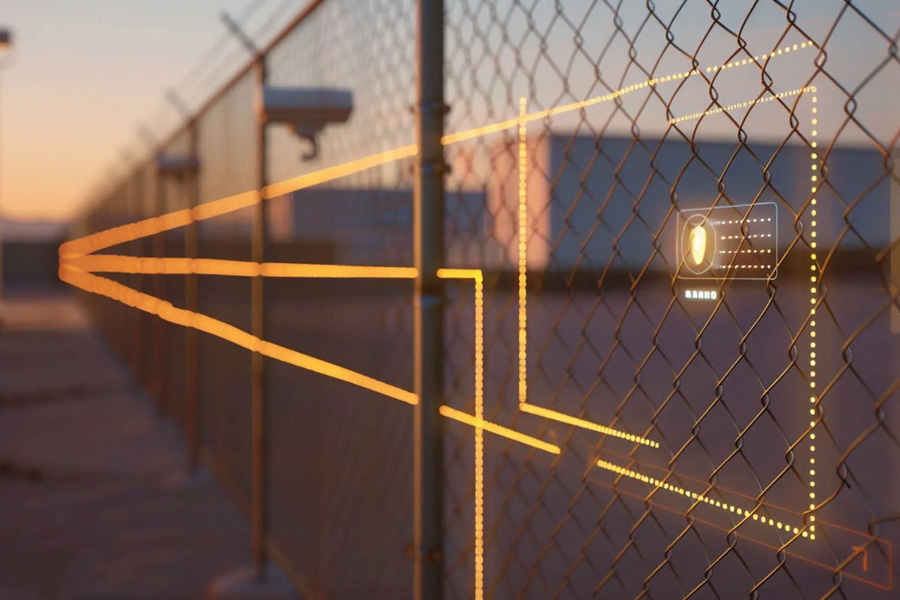
Before, the fence line was a silent border between private and public space, note Allegiant Management Group specialists. Not anymore. Modern operations use the perimeter as a visible control panel. Movement management, risk filtering, brand values, and silent uptime protection are its functions. A well-planned fence turns a static barrier into a dynamic system that meets security, operations, marketing, and sustainability goals from start to finish.
Fences are now integrated platforms across sectors. Data centers knit fiber optic fences to detect vibrations. Retail distribution yards pre-clear carriers with license plate recognition at gates. Secure pick-up lines and stunning architectural screens are used in schools. Utility companies install crash-rated defenses around vital equipment near roads. Fences with sensors, lights, and access control are adjustable rather than sunk costs.
Designing for Risk, Not Just Boundaries
Each site has unique risks. A generic fence may overspend in low-risk areas and underserve in crucial places. Create a property risk map with zones. Public stores, staff parking, hazardous storage, and high-value assets rarely require the same specification.
- Low-risk edges may benefit from decorative aluminum picket or architectural mesh that supports brand and sightlines.
- Medium-risk zones often call for welded wire mesh or steel pickets with anti-climb geometry, paired with controlled entry.
- High-risk areas may require anti-ram solutions with tested crash ratings, dense mesh to defeat hand tools, and reduced footholds with tight aperture sizing.
Opportunistic trespass, organized theft, vehicle-borne intrusion, and insider danger are threats. Then match fence height, mesh, clear zones, and gate hardware. Layering matters. Visible outer fencing deters and channels entrance. A secure inner envelope shields the core. The gaps are filled by lighting, sightlines, and cameras. A reasonable perimeter makes the wrong decision evident and the right decision easy, not a fortress. At vehicle entry points, the electric bollards can strengthen this layered approach by controlling access without requiring another full-width gate.
Brand and Experience at the Edge
The perimeter is a big handshake. Color, form, and materials affect mood in the first five seconds. Fences that do more than secure benefit public-facing businesses. Uncluttered architectural mesh can hold graphics, navigation, and color palettes. Vertical pieces with varying spacing can mimic building facades. Laser-cut panels can display district-specific designs. When powder-coated posts, privacy louvers, and integrated signage are added, even chain link seems planned.
Lighting is important. LED post-mounted lights, pedestrian gate downlights, and brand markers signal caution. Visitors go faster and employees feel valued if the boundary is safe and readable. The number of times a neat fence line lowers customer misunderstanding, entrance congestion, and harmful landscaping shortcuts is startling. Before visitors arrive at the front desk, the edge sets expectations.
Operational Flow and Throughput
Fences shape traffic like riverbanks shape water. When designed with operations in mind, they reduce friction, rework, and idle time.
- Staging and queuing: Use fence lines and swing-clear gates to create pre-check lanes for trucks. This minimizes backflow onto public roads and shaves minutes from each arrival.
- Time windows: Program automated gates to prioritize recurring carriers or staff during shift change. One control rule can recover hours of throughput per week.
- Segregation of uses: Separate pedestrians from forklifts, visitors from shipping, and vendors from executive parking using clear barriers and painted ground routes. Gates become milestones on a safe journey.
- Emergency egress: Panic hardware on pedestrian gates aligned with muster points keeps compliance strong without sacrificing speed.
Operations teams should treat the fence layout like a conveyor that moves people and vehicles predictably. Small changes pay off. A wider swing arc, an in-swing instead of out-swing near sidewalks, or a pair of cantilevered gates instead of one long leaf can reduce conflicts and maintenance issues. The aim is to reopen capacity that was hiding in plain sight.
Materials and Systems That Go the Distance
Not all fences age gracefully. Selection should match climate, corrosivity, wind, and use case.
- Galvanized and powder-coated steel brings strength with dependable corrosion resistance. Hot-dip galvanizing after fabrication is a reliable baseline for harsh environments.
- Aluminum picket and architectural extrusions deliver low weight and minimal rust risk, ideal for coastal zones and rooftop screens.
- Welded wire mesh offers a clean look with high visibility for cameras and strong anti-climb performance when aperture size is tight.
- Palisade and vertical pale systems deter climbing and look sharp in industrial districts.
- Composite and wood-look materials provide warmth for public spaces with lower maintenance than natural timber.
- Acoustic fencing dampens noise near residential boundaries and highways, improving community relations.
- Living walls and gabion barriers blend security with biophilic design, useful where municipalities push for greener frontages.
Systems matter as much as stuff. Modern gate operators integrate access, visitor, and video systems. Smart hinges estimate wear from duty cycles. Request-to-exit sensors, magnetic locks, and exit devices integrate fire and life safety with security. Without heavy infrastructure, crash-tested barriers at major choke points mitigate vehicle traffic in some sectors. The trick is placing high-end components where they’re needed.
Sustainability Without Compromise
Perimeter investments can promote sustainability without sacrificing durability. Embodied carbon and demolition waste are reduced using recycled steel, modular supports, and demountable panels. Powder coatings with low VOCs and lengthy warranties reduce repaints. Solar-ready gate operators and low-draw lighting save electricity. Where possible, permeability footings or helical piles reduce soil disturbance. Even simple choices like robust hinges and sealed bearings reduce replacement parts over time. A corrosion-resistant, graffiti-resistant, wind- and freeze-thaw-resistant fence silently reduces truck rolls and landfill loads for years.
Implementation Playbook
Great fences start on paper. An implementation plan keeps quality high and schedules intact.
- Discovery: Walk the site with operations, security, facilities, and branding stakeholders. Map conflicts, blind spots, and future expansion lines.
- Criteria matrix: Define priorities by zone. Decide where appearance rules, where speed rules, and where force protection rules.
- Layout and details: Set clear zones inside and outside the fence for visibility. Place cameras to view along, not just across, fence lines. Confirm utilities to avoid costly surprises.
- Permits and code: Align gate egress hardware, pedestrian access widths, and sight triangles near roads. Confirm accessibility clearances and snow storage.
- Phasing: Keep the site secure during replacement. Temporary panels and staged gate swaps avoid open perimeters.
- Commissioning: Test operators, access control logic, fail-safe states, and power backups. Train staff on override, manual release, and preventive maintenance routines.
- Documentation: Capture as-builts, parts lists, and warranty data. Store settings for gate operators and access systems for quick recovery after outages.
A disciplined process reduces risk. It also gives procurement teams a clear scope for bids, which leads to better pricing and fewer change orders.
Maintenance and Lifecycle Strategy
Fences are long-term investments. Treat it like one. Check frost heave in winter, vegetation clearance in spring, hinge and roller checks in summer, fastener torque and coating touch-ups in fall. Keep a basic gate and latch repair kit on hand. Use connected controllers to predict failure by monitoring automation cycles and motor temps. Clear sightlines matter. Clear spaces for cameras by trimming plants and clutter. Maintain a crisp, deliberate brand border by refreshing aspects.
Fix harm at its source. Bollards should be added to panels bent repeatedly near turns. If salt spray damages hardware, use stainless steel and sacrificial coatings. If vehicle mirrors strike posts, modify swing arcs or install guides. Minor tactical adjustments prolong life and budgets.
FAQ
How do I decide which fence type fits each area of my property?
Classify zones by risk, visibility, and traffic. High-value yards require anti-climb mesh, regulated access, and vehicle mitigation, whereas public edges may favor beauty and transparency. Instead of using a single solution, match the specification to the danger and user experience at each edge.
What is the best way to speed up gate throughput without sacrificing security?
Use clever scheduling and pre-clearance. Enroll frequent carriers, enable entrance recognition, and prioritize inbound traffic during peak hours. To avoid slow cycles, use correctly sized gate leaves or cantilevers. Visitors and trucks have separate lanes and clear signage to avoid delays.
Can fencing really support branding without driving up cost?
Yes. Color, polish, and simple architecture go far. Brand-colored powder-coated posts, sleek welded wire or picket profiles, and integrated signs create a coherent edge. Lighting can highlight crucial entries without custom manufacturing. Focus on contact points, not linear footage, to cut costs.
How do I ensure compliance with safety and accessibility at pedestrian gates?
Confirm clear widths, mounting heights, and hardware that can be operated without tight gripping or twisting. Provide panic hardware or emergency release for egress. Keep gate swings off sidewalks and roads and level approaches. Gates need the same scrutiny as doors.
What fence materials perform best near the coast or in corrosive environments?
Aluminum systems with high-quality powder coat and stainless fasteners resist corrosion. Hot-dip galvanized steel with a strong finish works nicely. Hinges and rollers should have sealed bearings and regular salt washdowns. Mixtures that induce galvanic corrosion should be segregated.
How can I build sustainability into my perimeter project?
Choose recycled, sturdy, and long-lasting materials. Use panel-repairable modular systems. Solar gate operators and LED illumination with controls are options. Helical piles can reduce excavation, and plan vegetation that doesn’t compromise security or maintenance.
What should I include in a maintenance plan to protect my investment?
Hardware torque, operator cycles, safety sensors, coatings, vegetation, and post drainage should be checked periodically. Maintain common spare parts and document automated machine settings. Find trends in incidents, then make tiny physical improvements to prevent recurrence damage. The proactive strategy extends longevity and stabilizes costs.