Start With a Living Site Logistics Map
Draw the task on paper how air traffic controllers chart the skies before each pallet arrives. Sketch crane swing, laydown yards, material lanes, pedestrian paths, and delivery gates. Mark trash, containers, saws, and charging stations. This map should be at the main entrance and in the container and trailer. Keep it alive. Update the map daily when phases change. Crews work quicker when traffic is predictable.
Kit the Work, Not Just the Tools
Delays usually occur between tasks. Build work kits to close that gap. Prepare a tote for each space or room with fasteners, consumables, small tools, safety data, and the required detail print. Use zone and task labels. Trade color-code. Stock kits at installation sites the night before. When a worker opens a kit and sees the entire process in one package, momentum and guesswork stop.
Turn a Container Into a Micro-Warehouse
A steel box is storage alone. Outfit it like a modest warehouse. Place pallet racking high and bolt shelving to both walls. Install vent apertures, dehumidifiers, and motion lights to reduce humidity. Paint aisle stripes on floors. Create a barcode or QR check-in/check-out station for expensive tools and consumables. Set morning and afternoon open-close windows and lock it tight outside. When categories are on shelves and the center aisle is clear, personnel build instead of hunting.
Create Flow Lanes and No-Park Zones
Job sites clog the way city streets do at rush hour. Lay down clear lanes for people and machines and mark no-park zones at material lifts and doorways. Use paint, cones, and signage, not just tape that disappears under dust. Run power cords overhead on hooks where possible to keep floors open. Add mud mats at entries and keep a gravel path to the main laydown yard. When movement is simple, the day stays light.
Charging, Power, and Battery Discipline
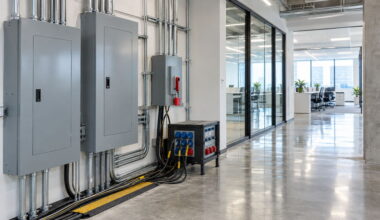
Work stops if batteries stray. Create a charging station with a dedicated circuit, labeled shelves, and fire-resistant material. Label each battery with a crew color and number. Simply use green tape for charged, red for drained, and yellow for charging. Display charger capacity and predicted charge times on a fast card. Keep a backup generator and schedule major pulls like heaters and welders to avoid site starvation. Predictable power keeps everything moving.
Protect Materials and Stop Rework
More profit is lost than stolen by moisture, grime, and dents. Store sheets vertically on carts. With desiccant packs and temp logs, store finish products in comfortable temperatures. Put dunnage around wooden bundles to raise them. Cover masonry and tile with breathable material. The day-start routine should include moisture meter readings at the container door. Deliver sensitive materials during their install window. Protection today saves hours tomorrow.
Visual Controls Everyone Understands
Speech will not stick. Create eye-catching controls. Place shadow boards in gang boxes to silhouette tools. Decorate shelves with images of their contents. Display a large whiteboard with three columns: Doing Today, Waiting, Done. Color each trade. QR tags on storage zones link to a simple inventory sheet. Low or high tech, always fast. The plan should be visible to workers from 15 feet away.
Daily Reset in 12 Minutes
After each shift, quickly reset like a pit stop. Set a time and bell to end sitework. Weekly duties alternate under one leader. Trash goes to dumpsters, hoses and wires are coiled, morning kits are arranged, and paths are swept. Stage tomorrow’s first two kits near crews’ starting points. Celebrate streaks with a reset scoreboard. A controlled night leads to a fresh morning.
Weekly Pull-Plan in 30 Minutes
Weekly brief planning meeting with field leads and subs. Sequence the following 10 working days with sticky notes by location. Highlight handoffs, dependencies, and limitations like late permits or inspections. Escalate immediately if a constraint cannot be resolved in 48 hours. Photograph the board, publish it online, and hang the paper version at the same area. Tight weeks beat hazy months.
Security Without Friction
Layer security to protect without hindering work. Install cameras at gateways, storage, and high-value areas and display site monitoring signs. Log keyholders and schedule code changes. Engrave firm IDs on power tools and attach small Bluetooth or RFID tags on larger assets. Keep stackable goods away from fence lines and light the perimeter. Simple deterrent and swift accountability are goals.
Waste, Scrap, and Returns That Pay Back
A junk pile hides money. Clear containers for metal, clean wood, and general rubbish should be on each floor or zone. Create a vendor-labeled returns pallet within the container for unopened or extra items. Reconcile your credit log every Friday. For sharp disposal and blade and bit recycling, use separate totes. Waste management saves instead of walking.
Documentation and As-Builts on the Fly
Slow paper chases. Name site photographs with date, location, and trade. Snap progress and hidden work before coverup and upload to a shared folder the same day. QR codes by stair entries connect to the week’s drawings and photo index. When punch lists arrive, you have proof and responses quickly.
Working on a Shared Site
Multi-trade situations increase confusion. Create neutral areas for shared tools and a quiet tour and inspection hallway. Set micro-schedules for loud or dusty operations. Post the logistics map at each elevator or hoist stop and coordinate delivery times. Shared order reduces friction.
Small Crew, Tight Budget Tactics
Organization goes beyond large finances. Task kits in milk crates with zip-tied laminated labels. Cut PVC U-brackets for rapid vertical storage racks. Chalk lines and cheap floor tape define zones. Tool and container spray paint caps color code. Use a lockable job box as the hub and attach a plywood shadow board to its lid. Consistency matters, not shiny stuff.
FAQ
How do I start organizing if the job is already in full swing?
Pick one choke point and fix it today. Common wins are a clean charging station, a labeled returns pallet, or clear walk lanes. Once that sticks, move to the next hotspot. Momentum beats perfection.
What is the fastest upgrade for tool control without software?
Shadow boards and numbered tags. Give every tool a number and put that number on its spot. At day’s end, empty spots are obvious and can be chased down quickly.
How can I keep deliveries from piling up in the wrong place?
Assign a delivery captain for each day and post a simple map that shows exactly where materials land. Require drivers to meet the captain on arrival. Ten minutes of guidance saves hours of reshuffling.
Do these systems slow crews down with extra steps?
Only if they are complicated. Keep actions short and visual. If a task takes more than 30 seconds, simplify it. The right structure removes friction and makes work faster within days.
What is a smart way to manage batteries safely?
Centralize charging on a nonflammable surface, separate fully charged and drained shelves, and avoid stacking chargers on top of each other. Keep ventilation moving and never charge inside a sealed container at night. Clear signs and color tags do the heavy lifting.
How often should the site logistics map change?
Any time flow changes. New crane radius, new laydown yard, new phase start, or a gate move means the map gets updated that day. Treat it like a traffic report, not a poster.
We do remodels in tight homes. What applies there?
Scale it down. Use one room as a micro-warehouse, set a single path for debris, and stage a small charging shelf on a rubber mat. Protect finishes, keep a daily reset, and run task kits by room. The principles are identical, just compact.