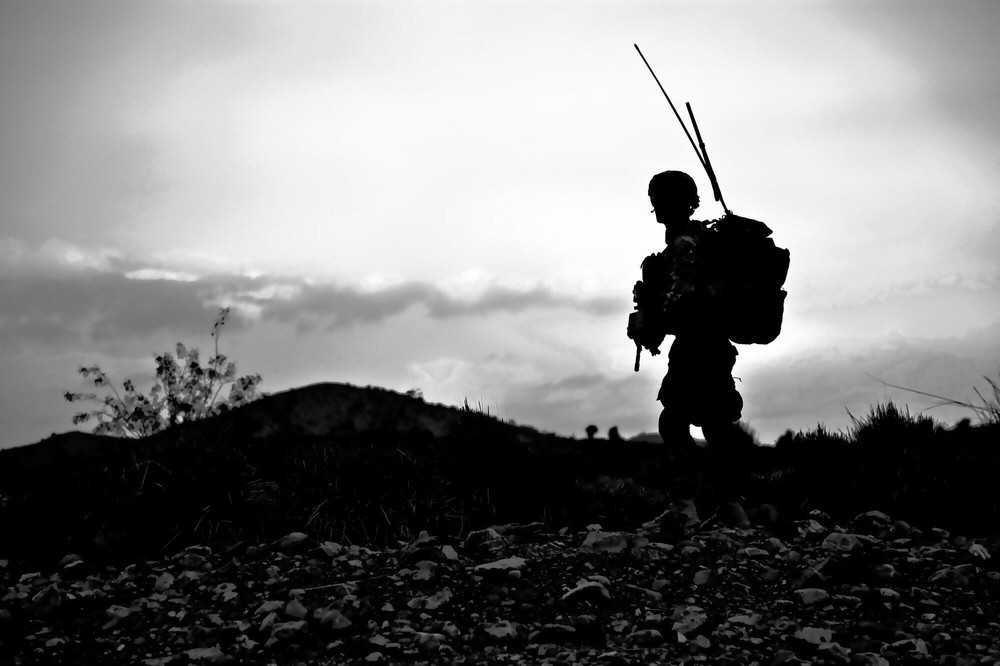
Leaving the service and returning to civilian life brings big choices. Many veterans turn to college to boost their income and open up new career fields. Schools welcome their focus and maturity with open arms.
Starting classes does not mean starting from zero. Military service teaches practical skills, team leadership, and mission planning. Turning those proven skills into real credit cuts months off the path to graduation.
Continue reading to discover everything you need to know!
Translating Military Experience Into Transfer Credits
Military training delivers hands-on instruction and practical leadership. Colleges review logged hours on the Joint Services Transcript. Reviewers turn that direct military training into college credits.
Finding a school that values service experience makes a huge difference in graduation timelines. Busy adult learners choose a range of online degree programs for military students to balance coursework with family needs. Flexible class schedules let students complete coursework whenever duty or work shifts allow.
Applying service credits removes the need for basic introductory classes. Students skip standard entry classes and start right in advanced courses.
Testing Out of General Education Requirements
Credit exams can help students finish general education classes faster. Tests check what people already know from work, military service, personal study, or daily life. Passing an exam gives students college credits without paying for a full course.
A military report says that more than 500 military bases around the world offer online DSST exams. Service members can take these tests at education centers on their bases. They can use free time to earn credits and move closer to a degree.
Good preparation can help students pass. Here are some useful steps:
- Download free study guides
- Take timed practice tests
- Review flashcards with key terms
High scores can earn college credits and help students finish required classes sooner.
Selecting Accelerated Degree Pathways
Regular college terms last about 16 weeks. Faster programs cover the same lessons in just 8 weeks. This allows students to take more classes each year and finish their degrees sooner. The fast pace may suit veterans who are used to working toward clear goals.
Transfer credits can make the process even faster. A career training article says veterans may finish some college programs in 6 to 12 months by using credits from past learning and work. Combining credits with shorter terms can save a lot of time.
Choosing a major related to past work can help. Fields like computer security, supply chain, and health management may match military experience.
Leveraging Veteran Campus Resources
Many colleges have offices that support military students. Staff can help with VA forms, class registration, and degree plans. Working with an advisor who understands military needs can help prevent mistakes and delays.
Student veteran groups help new students feel welcome. Members can share books, study together, and offer job advice. Meeting people with similar experiences can make college life easier and less stressful.
College support teams can explain state benefits, scholarships, and GI Bill funding. These services may help cover tuition and other costs.
Building a Brighter Future Through Higher Education
Earning a college degree after military life does not mean starting from scratch. Transferring military credits, taking test exams, and picking short-term tracks speed up degree completion.
Veterans bring discipline and practical skills that give them an edge in the classroom. With a clear plan and good campus support, finishing a degree happens faster than you think.
If you’d like to learn more, check out more articles on our blog.