Active learning in the school environment extends beyond traditional classroom teaching methods to include physical activities that enhance students’ engagement, concentration, and overall well-being. One significant aspect that can facilitate this approach is the provision of quality school sports equipment. Such equipment plays a crucial role in promoting physical activity, which in turn supports cognitive function and effective learning outcomes.
The Importance of Physical Activity in Education
Physical activity is widely recognised as an essential component of a balanced educational experience. Regular movement breaks, exercise sessions, and sports participation have numerous benefits for students, including improved memory retention, reduced anxiety, and increased motivation. Integrating sports activities into the school curriculum helps students develop necessary life skills such as teamwork, discipline, and resilience.
Role of Suitable Sports Equipment in Active Learning
The impact of physical activity on learning is maximised when schools are equipped with the right tools. Appropriate school sports equipment ensures that activities are safe, enjoyable, and conducive to active participation. When equipment is accessible and meets quality standards, students are more likely to engage enthusiastically, thus translating physical benefits into cognitive advantages.
Enhancing Motor Skills and Coordination
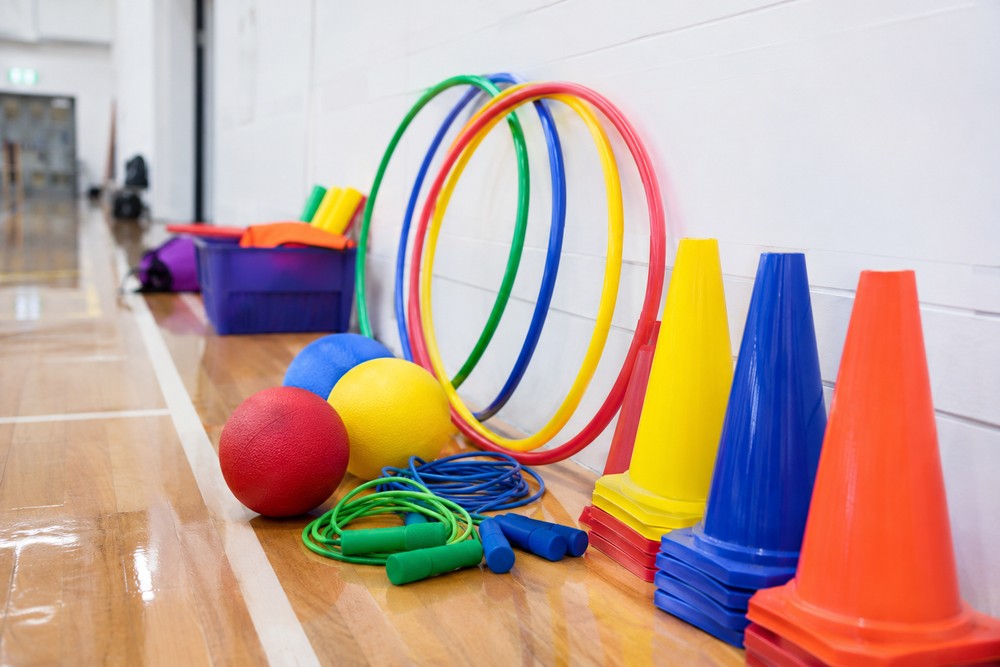
The use of specialised sports equipment assists in the development of fine and gross motor skills. For instance, equipment such as balls, cones, and balance beams challenge students to refine their hand-eye coordination, balance, and spatial awareness. These physical proficiencies have been linked to improved academic performance through better concentration and task execution.
Inclusivity Through Diverse Equipment
Inclusive education calls for sports equipment that accommodates the diverse abilities and interests of all students. Providing a broad range of equipment, including adaptive and multi-use items, ensures that everyone can participate actively. This inclusivity fosters a positive learning environment, promoting social integration and mutual respect among students.
Safe and Durable Equipment Matters
Safety is paramount when selecting sports equipment for schools. Items must conform to recognised safety standards to prevent injuries during physical activities. Moreover, durable equipment offers long-term value, supporting continuous active learning without frequent replacements or repairs. Schools benefit from investing in equipment that maintains its integrity over time.
Encouraging Outdoor Learning Opportunities
The right sports equipment not only supports indoor physical education sessions but also encourages outdoor learning experiences. Outdoor activities have been shown to stimulate creativity and problem-solving skills. Having equipment designed for various environments enables schools to diversify their teaching methods and create dynamic learning experiences.
Facilitating Structured and Unstructured Play
Sports equipment caters to both structured activities, such as organised games and lessons, and unstructured play during breaks. Both forms of physical activity contribute to active learning by improving social skills and cognitive development. Well-chosen equipment allows flexibility in how schools incorporate physical movement into the daily routine.
Supporting Curriculum Goals
Modern curriculums often incorporate physical education as a critical element of holistic development. Appropriate sports equipment plays a direct role in fulfilling these curriculum requirements effectively. By aligning equipment selection with curriculum objectives, educators can ensure that students achieve specified fitness and skill benchmarks.
Promoting Healthy Lifestyle Habits
Introducing students to a range of sports equipment encourages the adoption of active lifestyles from an early age. Such habits have long-term health benefits, mitigating risks associated with sedentary behaviour. Schools act as pivotal environments for shaping these positive behaviours through accessible and engaging physical activities.
Optimising Space Through Multi-Functional Equipment
Schools often face limitations in space and budget when implementing sports programs. Investing in multi-functional sports equipment can optimise limited resources. Equipment that supports various activities or adjustable settings enhances usability while providing diverse learning opportunities.
Training and Educator Support
The availability of quality sports equipment must be complemented by adequate training for educators. This ensures that physical activities are conducted safely and maximise learning potential. Professional development in sports pedagogy helps teachers integrate active learning strategies effectively.
Community and Parental Involvement
Engaging parents and the wider community in school sports initiatives strengthens the support system for active learning. Schools that provide access to quality sports equipment often facilitate community events and family participation, fostering a culture of health and education cooperation.
The Role of Buffalo Sports
As a trusted supplier of high-quality school sports equipment, Buffalo Sports offers a comprehensive range of products designed to meet the diverse needs of educational institutions. Their commitment to durable and safe equipment supports schools in creating effective active learning environments tailored to various age groups and abilities.
Conclusion
The integration of suitable school sports equipment is fundamental to supporting active learning within educational settings. By enabling safe, inclusive, and engaging physical activities, schools enhance the cognitive and physical development of students. Selecting quality equipment, such as those provided by Buffalo Sports, ensures that educational institutions are well-equipped to promote holistic learning and well-being.