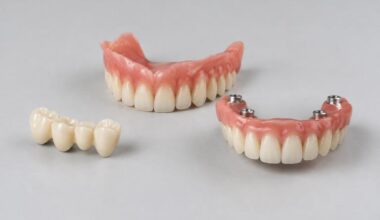
Material selection is a core design decision, not a late-stage purchasing task. The resin, elastomer, metal, adhesive, or coating used in a medical device can affect patient safety, comfort, durability, manufacturability, and the ability to validate the finished product. Early collaboration between design, quality, regulatory, and medical device injection molding teams helps identify tradeoffs before tooling and production decisions become expensive to change.
A material that performs well in an early prototype may react differently after repeated cleaning, sterilization, shipping, assembly, or clinical use. Choosing effectively requires looking beyond a data sheet and considering the complete environment the part will experience throughout its intended life.
Why Material Selection Matters
The lowest-priced material is not automatically the lowest-cost choice. A less expensive option that cracks after exposure to a disinfectant, warps during sterilization, or produces inconsistent molded parts can create redesign work, validation delays, scrap, and field risk. As discussions of material selection factors increasingly emphasize, performance under the full stress profile should take precedence over cost per pound.
Consider a handheld surgical tool. Its housing may need impact resistance if dropped, stiffness to support internal components, chemical resistance during cleaning, and a surface that remains comfortable and secure in a clinician’s hand. No single property answers the full design question.
Start With Device Requirements
Define what the part must do before comparing material names. A requirements map keeps teams focused on functional needs rather than choosing a familiar resin simply because it was used on a previous project.
- Define the part’s function, including whether it protects, supports, seals, guides, displays, or delivers something.
- Identify contact with skin, tissue, blood, medication, body fluids, or another device component.
- List expected loads, motion, pressure, vibration, impact, and fatigue cycles.
- Record temperature ranges, humidity, chemical exposure, storage, packaging, and shipping conditions.
- Specify sterilization and cleaning methods, including the expected number of cycles.
- Set production volume, tolerance, inspection, traceability, and supply continuity expectations.
Key Material Properties to Compare
Material screening should compare the properties that matter to the actual component, rather than searching for a universally “medical-grade” option. Important considerations include:
A photorealistic close-up of medical device designers comparing molded plastic components and material samples on a workbench, illuminated by warm golden-hour light from a nearby window, with soft shadows and a subtle, thoughtful laboratory atmosphere.
- Strength and stiffness:The part must withstand loads from pulling, compression, bending, and assembly without permanent deformation.
- Toughness:Impact resistance helps reduce cracking caused by drops, shipping, or accidental misuse.
- Wear resistance:Moving features such as hinges, sliders, valves, and actuators may need to retain function over repeated cycles.
- Chemical resistance:Drugs, oils, disinfectants, bodily fluids, and processing chemicals can affect performance.
- Dimensional stability:Stable dimensions support reliable fits, seals, optical features, and tight-tolerance assemblies.
- Transparency and surface feel:Clear fluid paths, readable indicators, grips, wearable components, and soft-touch interfaces may require specific optical or tactile characteristics.
Biocompatibility and Patient Contact
The nature of patient contact changes the biological safety evaluation. External-contact components, surface-contact devices, blood-contacting pathways, and implants raise different questions about duration, route of exposure, and potential risk. Additives, pigments, mold-release residues, processing aids, adhesives, and coatings also matter because the finished device is the item that reaches the patient.
A resin designation or supplier statement alone does not establish suitability for every use. Teams should use chemical characterization, toxicological risk assessment, and device-specific testing plans to determine appropriate biological evaluation. Current research on biocompatibility testing and material characterization also reinforces the value of assessing the complete material system rather than relying on a material label alone.
Sterilization and Cleaning Conditions
Sterilization compatibility should be considered during initial screening. It is difficult to recover from a material decision that fails only after a required sterilization process is introduced.
Common Exposure Conditions
- Steam sterilization:Heat, moisture, pressure, and repeated cycles can cause distortion, hydrolysis, loss of strength, or cosmetic changes.
- Ethylene oxide:Gas exposure and aeration requirements may affect absorbed residues, packaging choices, and production timing.
- Gamma or electron-beam radiation:Radiation can alter color, flexibility, strength, and long-term stability.
- Liquid disinfectants:Repeated exposure can lead to swelling, clouding, environmental stress cracking, or surface degradation.
- Low-temperature methods:Compatibility depends on the exact chemistry, concentration, cycle duration, and temperature.
Design for Manufacturing
Material performance and part geometry are closely connected. Wall thickness changes, sharp corners, ribs, bosses, snap fits, and press-fit areas can create localized stress. Gate placement, weld lines, cooling behavior, shrinkage, and flow length can also influence cosmetic quality, strength, and dimensional repeatability.
Involve molding and assembly specialists early enough to evaluate whether the selected process can reliably hold required tolerances at production volume. Representative process conditions often reveal issues that a material data sheet cannot predict.
Testing and Documentation
- Screen candidates:Review technical data, supplier documentation, prior-use history, and known limitations.
- Build representative samples:Test production-intent geometry and processing whenever practical.
- Test real conditions:Include mechanical loads, chemical exposure, sterilization, aging, storage, and assembly stresses.
- Review failure modes:Look for cracking, warpage, discoloration, leakage, sticking, loss of strength, and dimensional drift.
- Document the rationale:Record the selected material, alternatives considered, test evidence, and acceptance criteria.
- Control changes:Establish review procedures for supplier, formulation, colorant, process, and component substitutions.
Common Material Selection Mistakes
- Choosing a familiar material without reviewing the new device’s full use environment.
- Prioritizing raw material price before confirming functional requirements.
- Testing flat plaques instead of finished parts with realistic geometry and stress concentrations.
- Ignoring repeated cleaning and sterilization cycles.
- Assuming prior use in another device eliminates the need for a new risk assessment.
- Excluding molding, assembly, quality, or supply-chain teams from early decisions.
A Practical Material Selection Checklist
- What does the part need to do during normal use and foreseeable misuse?
- What will it contact, and for how long?
- Which loads, temperatures, chemicals, and fluids will it encounter?
- Will it flex, slide, seal, snap, carry a load, or provide visibility?
- How will it be cleaned, sterilized, packaged, shipped, and stored?
- Can the material be molded, assembled, inspected, and validated at the required scale?
- Are verification methods, documentation, traceability, and supply continuity adequate?
Conclusion
Reliable medical device material selection begins with real operating conditions. The strongest choices balance safety, mechanical performance, sterilization compatibility, manufacturability, verification, documentation, and long-term supply. A disciplined review early in development can prevent costly redesigns and help support dependable device performance throughout the product life cycle.