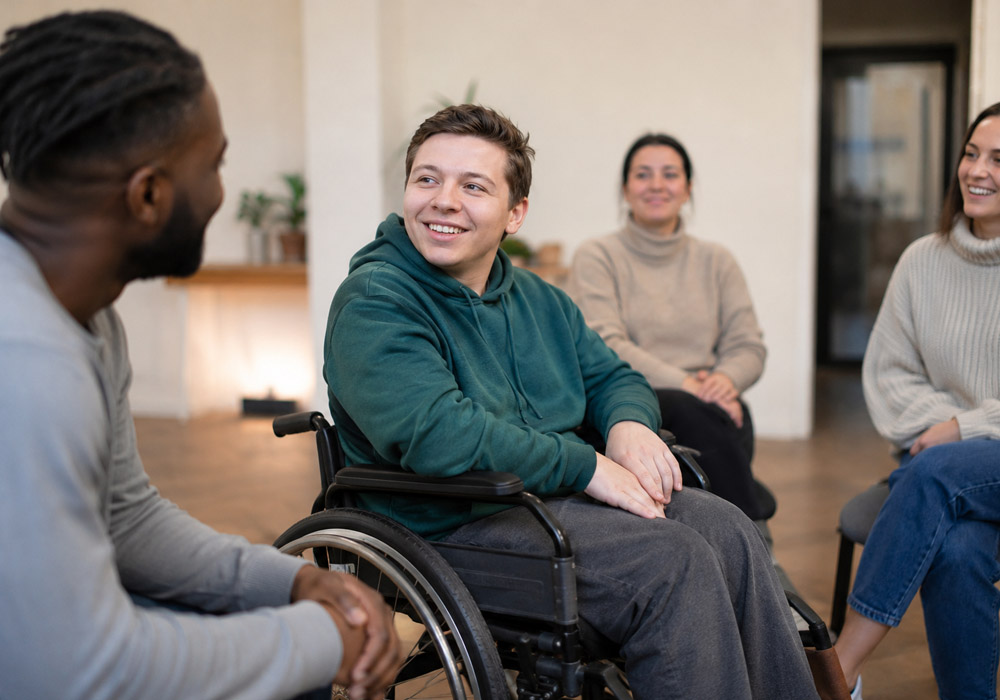
Living with muscular dystrophy can change how a person moves through the world, but it does not define their personality, ambitions, or value. Confidence may feel unsteady when strength, energy, or independence changes, especially when other people respond with assumptions instead of curiosity. Support can make a meaningful difference—not by pretending challenges are absent, but by helping each person make choices, stay connected, and shape daily life around what matters to them.
The most useful support is personal and flexible. It may include a thoughtful care team, practical adaptations, emotional reassurance, peer connection, and honest conversations about school, work, and relationships. The goal is not to follow one perfect plan. It is to create enough understanding and room to keep growing into a confident life.
Understand how muscular dystrophy can affect confidence
Confidence is closely tied to how freely people can participate in everyday life. When muscular dystrophy affects strength or mobility, familiar tasks may require more planning, more time, or assistance from someone else. Those changes can influence self-image, yet they do not have the same emotional meaning for everyone.
A person may feel capable and frustrated on the same day. They may want help with one task and privacy with another. Starting with that complexity makes it easier to offer support that respects the whole person rather than reducing them to symptoms.
The emotional impact of changing strength and mobility
Changes in strength can bring grief for routines that once felt automatic. Walking farther, climbing stairs, lifting an object, or keeping up with friends may take more effort than it used to. Even positive adaptations can carry mixed feelings, because accepting new support sometimes means acknowledging that circumstances have changed.
These emotions are not signs of weakness or failure. They are understandable responses to a condition that may affect movement, stamina, and plans. Making space for disappointment without allowing it to become the only story can help someone regain a sense of direction.
How symptoms and uncertainty may influence self-image
Visible differences, fatigue, falls, or the use of mobility equipment can make a person feel watched. Questions from strangers or comparisons with peers may add pressure, particularly for children and teenagers who are still forming their sense of identity. Uncertainty about how symptoms may change can also make it harder to picture the future with confidence.
Self-image often improves when a person has language for what they are experiencing and people who listen without rushing to correct them. A counselor, trusted friend, or family member can help separate physical changes from harsh conclusions such as “I am a burden” or “I cannot do anything.” Those conclusions deserve compassion, not judgment.
Why confidence looks different for every person
Muscular dystrophy includes different conditions and patterns of symptoms, so there is no single emotional path. One person may feel most confident when they can make decisions independently; another may value social connection, creativity, learning, or advocacy. Age, personality, culture, family expectations, and access to support all shape the experience.
Avoiding comparisons is a practical form of respect. A goal that feels empowering for one person may feel exhausting or irrelevant to another. Good support begins by asking what confidence means to that individual right now.
Recognizing strengths beyond physical ability
Physical ability is only one part of a person’s life. Patience, humor, problem-solving, empathy, leadership, artistic talent, and persistence can all be sources of confidence. Naming these strengths is not meant to minimize physical challenges; it widens the picture of who someone is.
Families and professionals can reinforce this broader view by praising decisions, effort, communication, and creativity—not only tasks completed without help. Identity is bigger than symptoms, and daily encouragement can make that truth easier to feel rather than merely understand.
Build a supportive care team
A supportive care team should address more than test results. It should help a person understand choices, manage symptoms, preserve function where possible, and make plans that fit real life. The best teams also recognize that emotional wellbeing and personal priorities belong in healthcare conversations.
Care may involve several professionals over time, including a neurologist, physical or occupational therapist, primary care clinician, mental health professional, and others depending on individual needs. Coordination reduces the burden of repeating the same story. It also helps ensure that recommendations work together instead of competing for limited energy.
Choosing healthcare professionals who listen
Trust grows when clinicians explain information clearly, invite questions, and take concerns seriously. A listening professional does not assume that every person wants the same treatment, level of independence, or pace of change. They ask about daily life as well as clinical symptoms.
During appointments, notice whether the person feels respected and included. Children and adults can often contribute valuable information about fatigue, pain, accessibility, and priorities. If communication repeatedly feels dismissive, seeking another opinion or asking for help from a patient advocate may be reasonable.
Coordinating medical, physical, and emotional support
Medical care may focus on the condition, while therapy can address movement, energy conservation, positioning, or daily tasks. Emotional support can help with anxiety, grief, family stress, and changes in identity. These areas overlap, so communication among providers is useful when the person has agreed to appropriate information sharing.
A written care summary can make coordination easier. It might include current medications, equipment, relevant precautions, key contacts, and the person’s own goals. Keeping the individual at the center prevents the team from becoming a set of disconnected appointments.
Preparing questions and priorities for appointments
Appointments often feel short, especially when several concerns have built up. Writing down observations and choosing the most important questions beforehand can help the visit stay focused. Include practical issues such as sleep, school, work, transportation, comfort, and energy—not just major medical changes.
A simple preparation list might include:
- What has changed since the last visit, and when did it begin?
- Which activities are becoming harder or taking more energy?
- What support, equipment, or referral could make daily life easier?
- What symptoms require a call before the next appointment?
Afterward, repeat the plan in your own words and ask who to contact if circumstances change. This small step can uncover misunderstandings while there is still time to clarify them. It also gives the person a stronger role in their own care.
Knowing when to seek additional guidance
New or worsening symptoms should be discussed with a qualified healthcare professional, particularly when they affect breathing, swallowing, falls, pain, sleep, or everyday function. Urgent concerns may require immediate medical attention rather than waiting for a routine appointment. The appropriate response depends on the person’s diagnosis and existing care plan.
Additional guidance can also be useful when emotional distress lasts, relationships become strained, or caregivers feel unable to continue safely. Asking for help early is a responsible part of care. It does not mean the existing plan has failed.
Create confidence through everyday independence
Independence does not always mean doing everything without assistance. It can mean having meaningful control over how a task is done, when help is requested, and which tools make participation possible. Small choices can restore confidence when larger circumstances feel uncertain.
Practical changes should be shaped around the person’s routines rather than imposed on them. A useful adaptation saves energy, improves safety, or increases access without taking away dignity. The right approach may change as needs change.
Adapting routines around energy and mobility
Fatigue can make a simple schedule feel demanding. Planning demanding tasks for times of higher energy, sitting for parts of a routine, and allowing extra transition time may reduce pressure. Rest is not a reward for finishing everything; it is part of managing the day.
It can help to identify which activities are essential, which can be simplified, and which can wait. Sharing this plan with family, teachers, coworkers, or caregivers reduces last-minute decisions. Flexibility also makes it easier to participate without treating every outing as a test of endurance.
Using assistive devices without losing personal identity
Mobility aids, adapted utensils, braces, communication tools, and other equipment can support access and reduce strain. Choosing equipment is not a statement that someone is less capable. It is a practical decision about how to spend energy and move through environments with greater control.
Personal style matters, too. Colors, accessories, customization, and the way equipment is introduced can help it feel like part of the person’s life rather than a symbol imposed on them. A therapist or equipment specialist can help evaluate fit, safety, and function while the individual remains part of the decision.
Making home and community spaces more accessible
Accessibility often begins with noticing friction points. A crowded walkway, high shelf, heavy door, poor lighting, or lack of seating can turn an ordinary activity into a difficult one. Reviewing the environment with the person who uses it reveals problems that others may overlook.
A few changes can have an outsized effect. Consider these examples:
| Area | Possible adjustment | Why it may help |
| Entryways | Clear paths and improve lighting | Makes movement and transfers easier to plan |
| Kitchen | Store frequently used items within reach | Reduces unnecessary bending, lifting, or climbing |
| Bathroom | Add appropriate safety equipment | Supports safer, more private routines |
| Community spaces | Check seating, entrances, and accessible routes | Makes participation less physically and mentally taxing |
The best changes are practical, durable, and chosen with the person rather than for them. Accessibility should support spontaneity too, not only essential tasks. When environments become easier to navigate, confidence has more room to develop.
Celebrating progress through realistic goals
A useful goal is specific enough to notice and flexible enough to adjust. It might involve preparing part of a meal, managing a school routine, attending a social event, or learning to direct support more clearly. Progress can mean greater confidence, better pacing, or a more satisfying experience—not only increased physical performance.
Review goals without turning them into a measure of worth. If a plan no longer fits, changing it is good problem-solving. Celebrating effort, choices, and participation helps keep motivation connected to real life.
Strengthen emotional and social support
People are more likely to feel confident when they are understood and included. Supportive relationships do not erase frustration, but they provide somewhere to place it. They also offer chances to laugh, contribute, and be seen as a whole person.
Social support should not be confused with constant attention. Some people want practical help; others want companionship without discussing their condition. Asking directly and respecting the answer is often more helpful than guessing.
Talking openly with family and friends
Clear conversations can prevent well-meaning people from taking over. Explain what kind of help is useful, what is not, and when assistance should be offered. It may help to say, “Please ask before helping,” or, “I need extra time, but I still want to try.”
Family members may have fears of their own, and those fears can unintentionally become overprotectiveness. Honest discussion allows everyone to distinguish safety concerns from assumptions about what the person can or cannot do. The conversation may need to happen more than once as needs evolve.
Finding peer support through muscular dystrophy communities
Peers can offer a kind of understanding that family and clinicians cannot always provide. They may share practical ideas about equipment, school, work, travel, or social situations, while also understanding the emotional texture of changing abilities. Online and local groups can both be valuable, provided information is checked with a healthcare professional when it concerns treatment or safety.
Organizations that serve this community also need clear, accessible online communication. SEO can help people find reliable educational resources, while paid media can support outreach to relevant audiences. Analytics can show whether those efforts are reaching people and helping them take the next useful step.
Peer connection should remain voluntary and comfortable. It is fine to attend quietly, leave a group that feels unhelpful, or choose one-to-one contact instead of a large discussion. Belonging does not require sharing every detail.
Managing unwanted advice, attention, or misconceptions
Strangers may offer advice, ask personal questions, or mistake assistance for helplessness. A short response can protect energy: “I have it handled,” “Please don’t touch my equipment,” or “I’m not discussing my health today.” No one owes a full explanation to satisfy another person’s curiosity.
Family and friends may also repeat misconceptions without realizing their effect. Correcting them calmly can help, but the person affected gets to decide when the conversation is worth the effort. Boundaries are not rude when they protect privacy and dignity.
Addressing anxiety, frustration, and isolation
Persistent worry, low mood, anger, or withdrawal deserves attention. A mental health professional can help someone process loss, manage uncertainty, and develop strategies for difficult situations. Support may include counseling, practical coping tools, or family sessions, depending on the person’s needs.
Small social steps can matter when isolation has taken hold. A phone call, shared hobby, accessible outing, or moderated peer group may feel more manageable than a large gathering. If someone expresses hopelessness or thoughts of self-harm, seek immediate help through local emergency services or a crisis resource.
Support confidence at school, work, and in relationships
Confidence often grows through participation, not isolation. School, employment, friendships, and romantic relationships give people opportunities to contribute and make choices. Support should remove unnecessary barriers while preserving reasonable control over what personal information is shared.
Needs may not be obvious to other people. A student may require more time between classes, while an employee may need schedule flexibility or an accessible workstation. Planning these conversations early can make transitions less stressful.
Requesting reasonable accommodations
Accommodations should connect to a specific barrier. Examples may include accessible seating, additional time, rest breaks, remote participation when appropriate, adjusted schedules, ergonomic equipment, or changes to the physical environment. The right options depend on the setting and the individual’s functional needs.
When possible, describe what helps rather than focusing only on a diagnosis. Written documentation from a qualified professional may be required, and policies differ by school, workplace, and location. An accessibility office, human resources contact, or disability services professional can explain the process.
Communicating needs while maintaining boundaries
Disclosure is personal. Someone can explain the support they need without sharing every medical detail. A concise statement such as, “I need a little more time and a place to sit,” may be enough to begin a practical conversation.
It is also reasonable to decide who should know, what they should know, and when to revisit the arrangement. Boundaries protect energy for learning, work, and relationships. They can be warm and direct at the same time.
Preparing for changes in school or career plans
A change in physical capacity may require a different route, not the end of a goal. Career counseling, vocational services, academic advising, and occupational therapy can help identify adaptable pathways. Technology, flexible scheduling, and accessible transportation may expand options.
Plans should account for energy and sustainability, not only interest or ability. A person might choose fewer courses, a different workspace, or a phased transition while keeping the larger ambition intact. Revisiting a plan is a form of self-advocacy, not a surrender.
Building healthy, respectful relationships
Healthy relationships allow both people to give and receive care. Talk about pace, privacy, physical boundaries, fatigue, and how assistance should be offered. Mutual respect matters more than matching someone else’s idea of what a relationship should look like.
A partner or friend should not treat disability as a reason to control decisions. At the same time, asking for help does not make a relationship unequal. Trust develops when both people can communicate honestly and make room for changing needs.
Make long-term support sustainable
Confidence is easier to maintain when support can continue through ordinary busy weeks, setbacks, and transitions. A plan that depends on one exhausted caregiver or perfect energy is unlikely to remain workable. Sustainable support distributes responsibility and leaves room for rest.
Long-term planning is not an admission that everything will worsen. It is a way to reduce avoidable stress and preserve choices. The plan should be reviewed with the person it serves, not treated as a fixed document.
Tracking changing needs without focusing only on limitations
Keeping brief notes can reveal patterns in fatigue, pain, sleep, falls, mood, and participation. Include what went well and what made an activity easier. This gives appointments a fuller picture than a list of problems alone.
Tracking should remain useful rather than burdensome. A simple weekly note, calendar mark, or voice memo may be enough. The purpose is to support decisions and communicate changes, not to monitor every moment.
Balancing activity, rest, and self-care
Activity can support wellbeing, but intensity and safety need to be individualized with professional guidance. Rest breaks, comfortable positioning, hydration, sleep routines, and enjoyable low-demand activities may help someone protect energy for priorities. Pushing through every limit is not the same as building resilience.
Self-care should include emotional and social needs. Time with a friend, creative work, or a quiet routine can be as restorative as physical rest. A balanced plan treats pleasure and connection as legitimate parts of health.
Reviewing equipment and support options over time
Equipment may need adjustment as height, strength, posture, environment, or daily routines change. Regular review can identify discomfort, safety concerns, or tools that are no longer useful. A physical or occupational therapist and qualified equipment professional can help assess options.
Invite the person to describe what works in actual life, including what feels awkward or unattractive. Function and identity both matter. The best support is support someone can use confidently and consistently.
Creating an emergency and care-planning routine
An emergency plan can list key contacts, medications, communication preferences, equipment needs, and steps for common urgent situations. Keep copies where trusted people can find them, and update them after major changes. The exact contents should reflect the person’s diagnosis and advice from their care team.
Practice the plan in a calm moment. Family members, friends, school staff, or coworkers may need to know their role, while the person retains as much decision-making authority as possible. Preparation turns uncertainty into a set of manageable next steps.
Conclusion
Confidence through muscular dystrophy support is built in ordinary moments: being listened to at an appointment, choosing an adaptation, setting a boundary, asking for help, or taking part in something meaningful. Progress will not look identical from one person to the next, and it may change over time. With coordinated care, accessible environments, respectful relationships, and room for personal choice, support can make life feel more manageable without making the condition the center of every story.
Frequently Asked Questions
Can muscular dystrophy affect emotional wellbeing?
Yes. Changes in strength, fatigue, mobility, appearance, uncertainty, and social experiences can affect mood and self-image. Emotional support is a valid part of comprehensive care.
How can families support confidence without becoming overprotective?
Ask what kind of help is wanted, offer choices, and allow the person to try tasks safely when possible. Support should increase control rather than quietly replace it.
What should I look for in a healthcare team?
Look for professionals who listen, explain options clearly, coordinate when appropriate, and include the person in decisions. A neurologist may be part of the team, alongside other professionals suited to individual needs.
Can assistive devices improve independence?
They can make movement, communication, self-care, or participation easier for some people. The most suitable device depends on personal needs, fit, safety, environment, and preferences.
How can someone ask for support at school or work?
Describe the barrier and the adjustment that would help, such as rest breaks, accessible seating, flexible scheduling, or extra time. Disability services or human resources staff can explain local procedures.
When should someone seek emotional support?
Consider reaching out when anxiety, sadness, frustration, loneliness, or hopelessness persists or interferes with daily life. Immediate help is needed if someone may harm themselves or is in danger.
How often should a support plan be reviewed?
Review it when symptoms, equipment, routines, school, work, housing, or caregiver availability changes. Even without a major change, periodic check-ins can keep the plan practical and respectful.