Key Takeaways
- Understand and adhere to Boston’s specific traffic regulations.
- Stay vigilant for pedestrians and cyclists sharing the road.
- Utilize public transportation options to reduce road congestion.
- Prepare for seasonal weather conditions affecting road safety.
Driving in Boston can be challenging, thanks to the city’s historic layout, bustling traffic, and variety of road users. To ensure your safety and others’, it is important to adopt smart driving strategies. For those seeking guidance after a collision, a trusted Boston car accident attorney is a valuable resource for navigating the aftermath.
The city’s streets tell a story, featuring routes that predate modern planning and a mix of old and new intersections. Boston’s mix of pedestrians, cyclists, and public transit vehicles requires drivers to stay alert, show respect, and exercise patience at all times. Whether you are a long-time resident or a first-time visitor, preparing for Boston’s unique driving environment is essential for smooth, safe travel.
Fortunately, with proper planning and attentive driving, you can navigate Boston safely and confidently. Understanding the city’s special challenges, remaining alert at all times, and staying informed will help you not only avoid common pitfalls but also appreciate what makes Boston a vibrant and historic place to drive.
At the same time, adopting safe and responsible driving behaviors reduces risks for everyone. By sharing the road respectfully and accommodating seasonal changes, Boston’s roads can become safer for all types of travelers.
Understanding Boston’s Traffic Patterns
Boston’s street system is notorious for its historic, winding roads that date back to colonial times. Rows of brick buildings and narrow lanes create a labyrinth in many neighborhoods, especially downtown. Unpredictable intersections and frequent one-way streets can be confusing, particularly for newcomers.
Rush hour extends well beyond the typical workday endpoints in Boston, often peaking during mornings and early evenings. Plan your trips to avoid peak times, and use GPS apps to check for road closures or construction zones before getting behind the wheel. According to Boston.com, drivers in Boston spend more time in traffic than in most U.S. cities, so patience is key.
Sharing the Road with Pedestrians and Cyclists
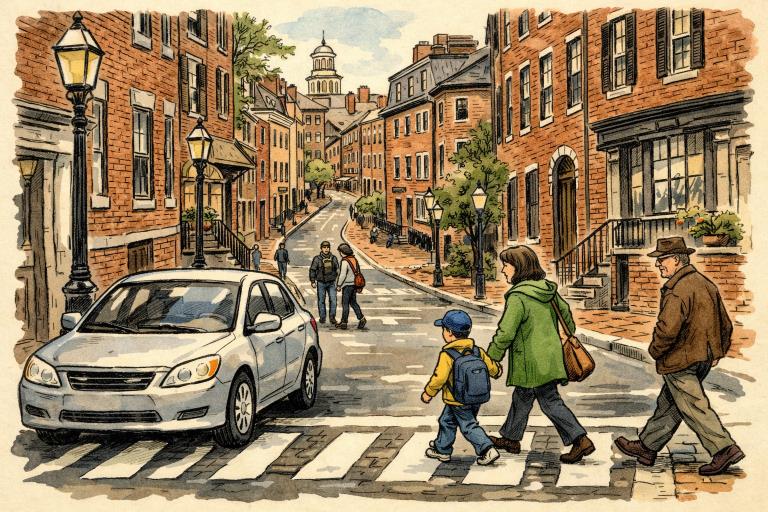
Boston’s urban hub sees constant movement from pedestrians and cyclists. Drivers are required by law to yield at crosswalks, and it is common to encounter cyclists traveling alongside traffic in designated bike lanes. In popular neighborhoods, crosswalks are highly utilized; always slow down in areas near schools, parks, and shopping districts.
Maintaining a distance of at least 2-3 feet from bike lanes and parked cars prevents “dooring” accidents. This is critical given the city’s focus on sustainability and the increase in bike traffic. Take extra care during rush hour or on rainy days, when visibility is reduced for both drivers and cyclists. For further guidance, local rules for motorists around cyclists and pedestrians can be found at Mass.gov.
Navigating Boston’s Public Transportation
The Massachusetts Bay Transportation Authority (MBTA) operates buses, subway trains, and trolleys, many of which run on surface streets shared with cars. Drivers should yield to buses when they are pulling out from stops and avoid obstructing trolley tracks. In congested city neighborhoods or near college campuses, elevated caution is essential to prevent accidents involving public transit vehicles.
Always check posted signs for bus lanes, and remember that some lanes are restricted to buses and bikes only during certain hours. Ignoring these restrictions can result in fines and further slow traffic.
Adapting to Seasonal Driving Conditions
Boston experiences all four seasons, and harsh New England winters pose unique hazards. Snow, sleet, and ice can turn any street treacherous. Before heading out during winter, ensure your vehicle’s windows are clear and that its tires are properly inflated and suitable for icy roads. The city frequently updates its snowplowing schedule and warnings on the official Boston.gov site, and local media outlets like WBUR offer weather-specific driving safety tips.
Even outside winter, Boston experiences heavy rain in the spring and leafy debris in the fall. Adjust your speed and increase following distance in adverse weather to prevent accidents.
Utilizing Technology for Safer Driving
Advancements in technology offer new ways to promote safe driving. The city’s “Safest Driver” initiative compels drivers to use smartphone applications to monitor and improve their driving behaviors, issuing real-time feedback on speeding, hard braking, and rapid acceleration. Many drivers find such tools invaluable for cultivating safer habits and avoiding costly tickets.
GPS navigation, live traffic updates, and weather apps also help Boston drivers avoid hazards and adjust their routes in real time, making it easy to circumvent traffic jams and roadway incidents.
Staying Informed About Local Traffic Laws
City ordinances change frequently as Boston adapts to new safety challenges and increased road usage. In recent years, updates include delivery drivers needing city-issued permits and ride-share drivers facing new restrictions in congested sections of the city. Drivers can keep up to date on regulation changes by regularly checking The Boston Globe for traffic news and local government websites for policy updates.
It is essential to understand parking rules, red-light camera locations, and distracted-driving statutes, which are enforced stringently throughout the city.
Maintaining Vehicle Readiness
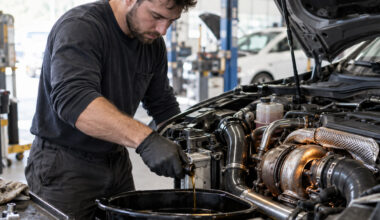
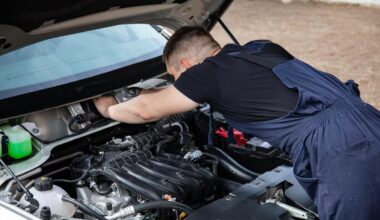
Routine maintenance is essential for safe driving. Inspect your brakes, headlights, and taillights regularly. Tires should have suitable tread for wet or icy conditions, and windshield wipers must be in good condition to manage Boston’s unpredictable weather.
In colder months, keep an emergency kit in your vehicle, stocked with jumper cables, a flashlight, extra blankets, and a snow scraper. A little preparation can make a significant difference during a roadside emergency.
Conclusion
To excel as a driver in Boston means more than simply knowing how to operate a car. It requires awareness, adaptability, and a persistent focus on safety. By studying traffic patterns, showing patience to all road users, and maintaining your vehicle, you will help create a safer driving environment for yourself and everyone else on the road.