Corporate events often bring together employees, clients, partners, vendors, and invited guests in settings outside traditional offices. Company celebrations, networking receptions, product showcases, fundraising gatherings, and outdoor meetings may all require temporary facilities. Restroom planning becomes part of the overall guest experience when permanent facilities are unavailable, limited, or inconveniently located.
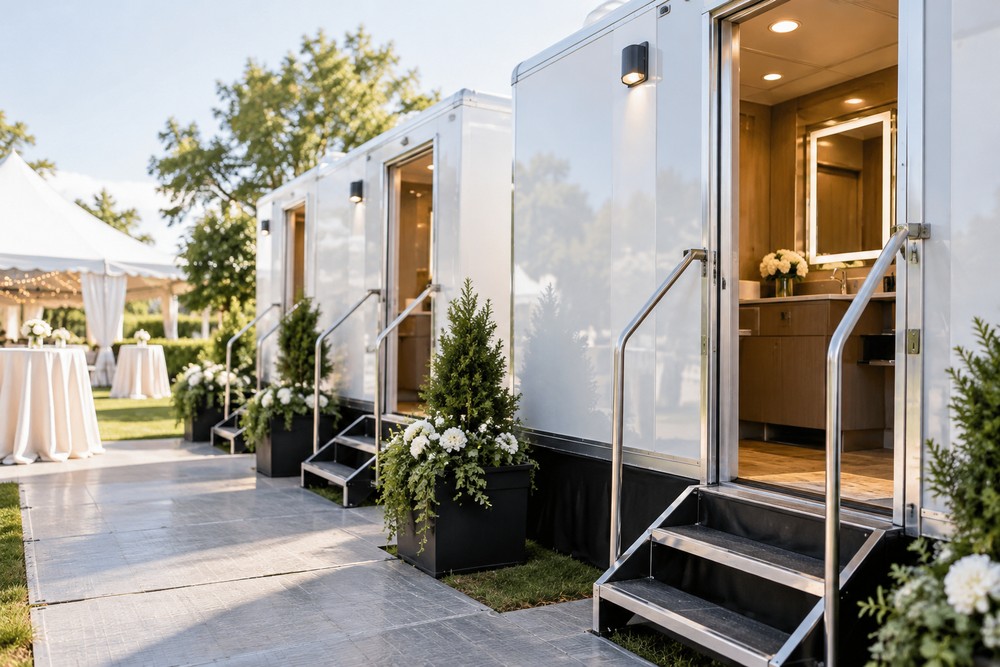
Luxury portable restrooms can provide a practical option for business gatherings where organizers want sanitation facilities to fit the professional character of the occasion. Planning involves more than estimating attendance. Event duration, guest expectations, accessibility, presentation, waiting times, and the surrounding layout can influence how comfortably the facilities serve attendees.
Royal Flush Toilets can help organizers approach restroom arrangements as one part of a larger corporate event plan. Considering sanitation alongside registration, catering, presentations, networking areas, and entertainment helps create a more connected experience. Early preparation also gives planners more flexibility before other event details become fixed.
Match Restroom Planning to the Event Format
Not every corporate gathering creates the same restroom demand. A short outdoor presentation may function differently from an evening reception where guests remain on the property for several hours.
Organizers should review the complete schedule before making arrangements. Meal service, beverages, networking periods, speeches, entertainment, and breaks can all affect when facilities experience heavier use.
Attendance patterns deserve similar attention. Some events maintain a consistent crowd, while others experience waves of arrivals and departures as different activities begin.
Consider the Expectations of Invited Guests
Corporate hospitality often depends on making visitors feel that practical details have been considered. Restrooms may not be a featured part of the event, but uncomfortable facilities can become noticeable quickly.
Guests may include executives, customers, community partners, employees, or prospective clients. Providing an appropriate environment for a varied audience supports the professional tone organizers are trying to maintain.
The selected facilities should therefore reflect the nature of the occasion rather than simply meeting a basic requirement. Comfort and practicality can work together without making restrooms the focus of the gathering.
Connect Facilities With the Guest Journey
Corporate events usually have a predictable sequence. Guests may arrive through registration, move toward a presentation area, visit networking spaces, eat, and later attend entertainment or closing activities.
Review Routes Between Major Activity Areas
Restrooms should fit naturally within these movements. Guests should not have to leave the primary event area and search through operational spaces whenever they need facilities.
Luxury portable restrooms can be incorporated more effectively when organizers review the event from an attendee’s perspective. Walking the expected route can reveal inconvenient distances or confusing access points before setup begins.
Maintain a Professional Appearance Around Facilities
Visual presentation can matter at corporate gatherings where signage, displays, furniture, lighting, and branded materials have been coordinated carefully. Temporary facilities should be considered within that environment.
The surrounding area deserves attention as well. Cluttered storage, exposed equipment, or poorly organized pathways can affect the impression guests receive before they even enter the facility.
Royal Flush Toilets can be included during layout discussions so practical restroom needs are considered alongside presentation goals. Early coordination allows organizers to select a functional area without sacrificing prominent spaces needed for other activities.
Reduce Congestion During Scheduled Breaks
Corporate events can create concentrated restroom demand because guests often follow the same schedule. A presentation may end and send many attendees toward refreshments, networking areas, and restrooms simultaneously.
Planners should identify these predictable peaks in advance. The number and arrangement of facilities should reflect how guests will use the venue during breaks rather than relying only on total attendance.
Clear routes can also reduce congestion. When guests can identify facilities easily, they are less likely to gather in uncertain areas or ask event staff repeatedly for directions.
Plan Around Catering and Beverage Service
Food and beverage service influences both guest movement and restroom use. Dining areas, bars, refreshment stations, and catering operations should therefore be considered during sanitation planning.
Restrooms should remain conveniently accessible without being positioned directly beside places where guests eat or drinks are prepared. Appropriate separation helps each area serve its purpose without unnecessary overlap.
Catering teams may also need dedicated service routes. Restroom access should not force guests through food preparation zones or interfere with staff carrying supplies between operational areas.
Support Networking Without Creating Interruptions
Many corporate gatherings are designed around conversation. Guests may move between small groups, exhibit areas, demonstrations, or informal meeting spaces throughout the event.
Restroom routes should avoid cutting directly through locations where presentations or important conversations are occurring. Repeated pedestrian traffic can become distracting even when the facilities themselves are positioned appropriately.
A secondary pathway may provide better access while preserving the function of networking areas. Organizers should evaluate these routes after furniture and temporary structures have been added to the plan.
Consider Clothing and Personal Preparation Needs
Corporate events often involve professional or formal clothing. Guests may appreciate restroom facilities that provide sufficient space and appropriate features for washing hands or checking their appearance.
Available amenities vary, so planners should confirm what is included rather than making assumptions. Interior features should be discussed according to the event’s format, duration, and expected audience.
These considerations become especially relevant before presentations, photographs, award ceremonies, or other scheduled moments. Small practical details can support guests who want to remain comfortable and presentable during a long event.
Coordinate With Event Staff and Vendors
Corporate functions frequently involve audiovisual crews, caterers, rental providers, decorators, security teams, and venue personnel. Each group may need specific areas or access routes during setup.
Restroom planning should be included in that coordination. Sharing an accurate site layout can prevent another vendor from unintentionally blocking a planned route or placement area.
Delivery and pickup timing should also fit the larger schedule. Coordinating these stages reduces unnecessary conflicts when several teams are working on the property simultaneously.
Keep Accessibility Central to the Layout
A professional event should consider guests with different mobility needs from the beginning. Distance, slopes, surface conditions, steps, and narrow routes can affect whether facilities are genuinely accessible.
Organizers should evaluate the complete path rather than only the restroom location. A suitable facility becomes less useful when the route leading to it creates unnecessary difficulty.
Accessibility planning should occur before tents, displays, barriers, and seating arrangements limit available space. Early decisions generally provide more flexibility for creating practical routes.
Make Restroom Comfort Part of Event Planning
Corporate hospitality is shaped by many details that guests may notice without discussing directly. Convenient sanitation, understandable routes, suitable facilities, and thoughtful placement can contribute to an event that feels organized from arrival through departure.
Organizers considering luxury portable restrooms can contact Royal Flush Toilets while developing the site plan and event schedule. Discussing attendance, event duration, guest movement, accessibility, catering areas, and expected activity peaks early can help temporary facilities fit naturally into the overall arrangement.
Restroom planning works best when it supports the event rather than operating separately from it. By considering presentation, comfort, traffic patterns, professional clothing, vendor coordination, and accessibility together, planners can create facilities that complement the occasion. Guests can then concentrate on conversations, presentations, and relationships instead of practical inconveniences.