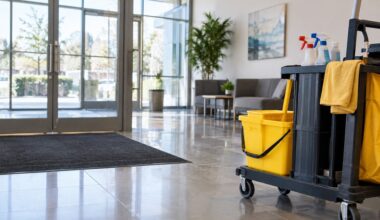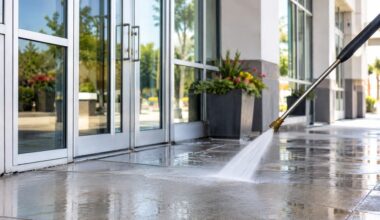
Customer-facing businesses experience cleaning challenges that differ from those in private work areas. Visitors enter throughout the day, seating changes occupants frequently, and entrance doors continually introduce fingerprints, moisture, and outdoor debris. Because these spaces represent the business directly, their condition can influence how organized and cared for the property feels from the moment someone arrives.
Commercial cleans for public areas work best when they account for customer movement rather than treating every room as an identical workspace. A lobby may need attention because of constant traffic, while a waiting room can collect drink containers, paper, dust, and marks around seating. Planning around these patterns allows cleaning priorities to reflect how visitors actually use the building.
Queen City Cleaners can help businesses maintain customer-facing areas without allowing routine activity to create steadily increasing buildup. A practical plan considers entrances, seating, counters, floors, and other visible features together. This approach keeps the public environment manageable while allowing employees to concentrate on their primary responsibilities.
Start With the Customer’s Path Through the Property
A useful cleaning plan follows the same route a visitor takes. The entrance, reception point, waiting area, hallways, and service spaces may each create a different impression during a single visit.
Walking this route from a customer’s perspective can reveal marks or clutter employees have stopped noticing. A smudged glass door, dusty corner, or untidy reception surface can become familiar to staff because they see it every day.
Businesses can use this customer path to establish cleaning priorities. Areas encountered early or repeatedly generally deserve consistent review because more visitors will notice their condition.
Give Entrances Attention Throughout Changing Conditions
Entrances connect outdoor conditions with interior spaces. Rain, leaves, dust, mud, and ordinary street debris can quickly change the appearance of flooring near exterior doors.
Mats can capture some material, but they also need attention as debris accumulates. Once overloaded, an entrance mat may allow particles to travel farther into the building under repeated foot traffic.
Glass doors and nearby surfaces can also show frequent contact. Cleaning these features as part of the entrance zone creates a more complete result than concentrating only on the floor.
Keep Reception Areas Orderly Without Disrupting Work
Reception desks often combine customer interaction with computers, phones, documents, payment equipment, and personal work materials. Cleaning these areas therefore requires clear boundaries around what can be moved.
Separate Public Surfaces From Staff Workspaces
The visitor-facing portion of a reception area may include counters, seating, display surfaces, or accessible tables. These areas can usually be maintained without disturbing documents and equipment behind the desk.
Staff can support the process by keeping public counters reasonably clear. When unnecessary objects accumulate, cleaning around them becomes slower and portions of the surface may remain inaccessible.
Manage Waiting Areas Around Frequent Turnover
Waiting areas can serve dozens of different people over a business day. Chairs shift, magazines move, small pieces of litter appear, and tables may collect fingerprints or drink residue.
Cleaning plans should reflect this repeated turnover rather than viewing the waiting room as a static space. Seating arrangements and accessible surfaces may need routine resetting so the room remains orderly for arriving customers.
Queen City Cleaners can provide scheduled support for businesses that need these public spaces restored consistently. Establishing clear expectations for seating, tables, floors, and other accessible features helps cleaning fit the way the waiting area actually functions.
Pay Attention to Floors Along Visitor Routes
Public-area flooring often shows traffic patterns faster than flooring in restricted rooms. Entrance paths, reception approaches, checkout areas, and corridors can experience concentrated wear and debris.
Loose dirt should be addressed before it spreads into quieter areas. The appropriate cleaning method will depend on whether the property uses carpet, resilient flooring, tile, wood, or another material.
Businesses should also consider obstacles that complicate floor care. Freestanding signs, displays, chairs, and decorative items may create edges where debris collects if they remain in the same positions.
Keep Public Restrooms Ready for Continued Use
Customer restrooms require attention because their use can fluctuate considerably throughout the day. A quiet morning may be followed by a busy afternoon that changes the condition of the room quickly.
Cleaning should account for sinks, mirrors, fixtures, floors, waste containers, and accessible surfaces. Supplies also need monitoring so customers are not inconvenienced by items running out unexpectedly.
Businesses can determine inspection frequency according to actual visitor volume. A restroom serving constant traffic will naturally require a different routine from one that receives only occasional use.
Address Visible Details Customers Can Easily Notice
Small details can become surprisingly noticeable in customer-facing environments. Dust along ledges, fingerprints on glass, marks around doors, and debris beneath chairs may stand out because visitors have time to observe their surroundings.
These areas are sometimes missed when cleaning concentrates on large surfaces. Creating a defined checklist for visible details can reduce inconsistencies without making the routine unnecessarily complicated.
The checklist should reflect the individual property. A showroom, clinic, office lobby, and service counter may share some cleaning needs while presenting entirely different visual priorities.
Coordinate Cleaning With Customer Hours
Cleaning activity should support business operations rather than compete with them. Equipment, wet floors, or blocked pathways can become inconvenient when customers are moving through the same area.
Commercial cleans may therefore be scheduled before opening, after closing, or during predictable periods of lighter traffic. The appropriate timing depends on operating hours, visitor patterns, and the spaces included in the service.
Some businesses experience unusual peaks on particular days. Reviewing those patterns can help determine whether the existing schedule still matches actual customer activity.
Prepare for Seasonal and Promotional Traffic
Customer volume does not always remain consistent throughout the year. Sales, appointments, seasonal demand, special events, or promotional activities can temporarily increase the number of people using public spaces.
Cleaning plans can be adjusted around these periods instead of relying entirely on an unchanged routine. Entrance areas and waiting spaces may require additional attention when traffic increases substantially.
Weather can create similar short-term changes. Wet conditions, for example, may increase the amount of moisture and debris entering through exterior doors even when customer numbers remain stable.
Make Public-Space Cleaning Part of Business Operations
Customer-facing cleaning is most effective when it becomes part of operational planning rather than a reaction to obvious mess. Visitor routes, entrance conditions, reception areas, seating, floors, and restrooms all develop cleaning needs according to how the property functions.
Businesses that want consistent support can schedule Queen City Cleaners around their operating hours and customer traffic. Establishing a recurring service plan can reduce the need for employees to manage accumulating public-area cleaning while also handling customers, appointments, and everyday business responsibilities.
A well-maintained public environment depends on consistent attention to the spaces customers actually encounter. Cleaning schedules should remain flexible enough to respond to changing traffic, weather, events, and business activity. By arranging service before visible buildup becomes a recurring problem, businesses can keep customer-facing spaces orderly and ready for the people who use them each day.