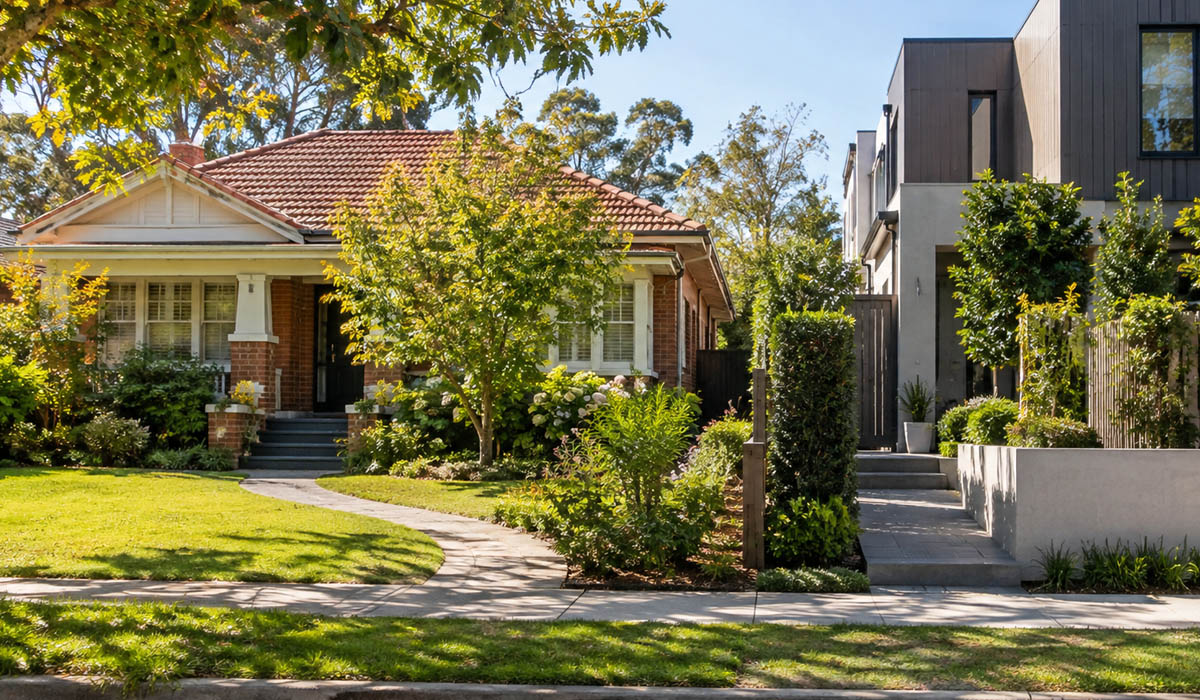
A garden can feel spacious without occupying much ground. The secret lies in matching design choices with available room. For Burwood homeowners, expert landscaping services in burwood can help shape those choices around daily needs. A townhouse courtyard needs careful restraint, while a detached block allows broader features. Size affects planting, paving, shade, privacy, and movement. Once those factors connect properly, outdoor areas become easier to use and maintain.
Larger blocks allow clearer outdoor zoning
A generous block gives each activity more breathing room. Lawn areas can sit away from entertaining spaces without conflict. Trees can occupy wider positions around open sections. Planting beds can also create gentle boundaries between functions.
For example, one corner might hold outdoor dining. Another section could provide lawn for children. A quieter edge could carry layered greenery and shade. Such zoning prevents a spacious yard from feeling scattered or empty.
Compact spaces need sharper planning
Smaller gardens demand greater attention to proportion. A large feature can quickly consume valuable floor space. Therefore, each element needs a practical reason for inclusion.
A compact Burwood courtyard may combine seating, planting, and circulation. Raised beds can define edges without using broad ground areas. Vertical greenery can add height while preserving walking space. Built-in benches can provide seating without creating extra furniture clutter.
Good restraint creates room for movement. Excessive decoration can have the opposite effect.
Which plants suit different property sizes?
Plant selection changes when available ground becomes limited. Larger gardens can support spreading canopies and layered borders. Compact settings need species with controlled growth and suitable proportions.
A useful approach considers several details:
- Narrow trees can preserve valuable walking space.
- Dense foliage can soften exposed boundary sections.
- Groundcovers can reduce bare soil around larger beds.
- Flowering plants can add seasonal character near entrances.
- Shade-tolerant species can brighten darker courtyard corners.
For Burwood homeowners, expert landscaping services in burwood can also help assess mature plant size. Growth habits matter because immature plants can mislead planning. A specimen that looks modest today may occupy considerable room later. Good landscape planning therefore considers mature dimensions from the beginning.
Can paving influence garden proportions?
Paving does more than create walking surfaces. Its size, direction, and placement can alter visual perception. In compact gardens, fewer joints can create calmer sightlines. Larger slabs may therefore make a narrow courtyard feel more connected.
Larger properties offer different possibilities. Several surfaces can divide functions without making movement confusing. Stone might define dining space, while timber marks a relaxed seating area.
Still, variety needs control. Too many finishes can break visual continuity. A restrained material palette often creates stronger connections between separate zones.
Larger properties reward broader functions
Extra land creates opportunities for features that compact gardens cannot accommodate comfortably. Outdoor kitchens, pergolas, pools, and play lawns all require suitable clearance. Their placement also affects access from the house.
Before adding substantial features, a landscape plan should consider:
- Entry paths should remain easy to navigate.
- Drainage must work around finished surface levels.
- Trees need enough room for mature canopies.
- Service areas should stay accessible year-round.
- Entertaining zones should connect naturally with indoor rooms.
These details become important because spacious gardens can lose focus. A clear hierarchy keeps each area useful without making the landscape feel crowded.
What makes compact homes feel open?
Townhouses often benefit from multifunctional outdoor planning. A narrow passage can support screening, access, or planting. A small courtyard can combine dining with greenery through careful positioning.
Privacy also needs thoughtful treatment around close boundaries. Tall screens can block views, yet dense walls may reduce openness. Instead, layered foliage can soften sightlines while retaining light.
Reflective finishes can help as well. Pale surfaces bounce daylight across enclosed areas. Upright planting adds height without taking excessive ground space. The result feels open because fewer elements compete for attention.
Burwood gardens need property-specific thinking
A single tree can transform a compact courtyard. On a larger block, several canopy layers may shape the entire outdoor experience. That difference affects shade, privacy, circulation, and future upkeep.
For this reason, landscape design should begin with spatial reality. A small property gains value through precision rather than excess. A broad block gains character when its extra room receives clear purpose.
The most useful landscape may therefore be the one that respects its limits. A carefully positioned tree beside a compact seating area can achieve more than an oversized feature. On a larger block, the same principle creates room for broader planting and connected outdoor rooms.
FAQs
What suits a small Burwood courtyard?
Compact planting, integrated seating, and restrained paving create useful space. Vertical greenery can add interest without reducing valuable floor area.
Can large blocks include extensive lawn areas?
Yes, provided open ground supports comfortable movement and regular use. Lawn placement should also account for sunlight, drainage, and maintenance.
How can a compact garden look more spacious?
Consistent materials can reduce visual breaks across limited ground. Careful sightlines also help the courtyard feel more connected.
Do larger landscapes require more plant varieties?
Not necessarily, because repeated species can create stronger visual continuity. A balanced palette can still provide texture, height, and seasonal change.