A window replacement project involves several distinct steps, including evaluating the condition of the existing window, selecting the right products, and finding professional installers. By carefully planning the entire task, homeowners benefit from long-term performance while avoiding structural or installation errors. Here are some key tips to help homeowners navigate a replacement project successfully:
Schedule a Professional Window Evaluation
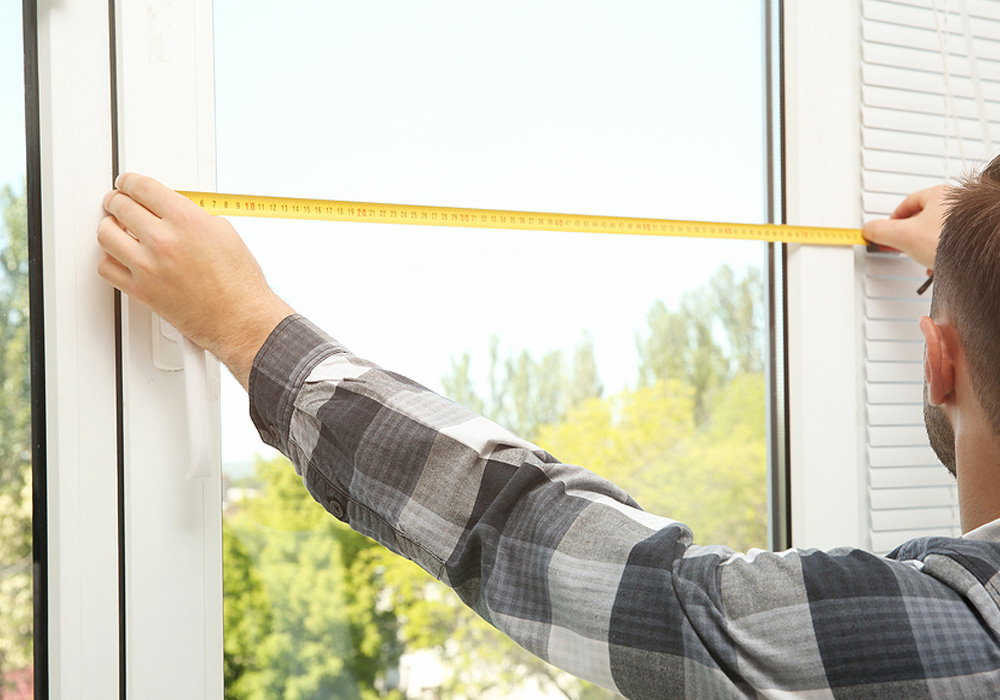
Successful window replacement projects start with a thorough evaluation of the existing windows. Professional installers visit your home to assess your current windows, evaluate the condition of the frames, and inspect them for signs of wear and tear. They also take precise measurements to determine the appropriate replacement products that complement the home’s aesthetics.
Replacement windows are manufactured off-site according to the measurements taken. They are designed to fit each opening tightly to improve comfort and energy efficiency. Precise measurements help reduce installation complications once the project starts, since any errors can cause water leaks, air drafts, and operational failure. Homeowners are also able to request a custom quote to understand the scope of work. Most expert installers provide these services for free; this itemized breakdown lists distinct project phases, which helps homeowners establish clear timelines.
Ask About HOA Regulations
During this stage, professional installers also help homeowners review HOA requirements for exterior modifications and street-facing windows. These requirements may address frame color, glass type, frame material, and grid patterns. Some associations also require replacement windows to maintain the color or profile of the existing units. Installers help homeowners identify applicable HOA requirements and select products that meet those specifications. The approval process may include submitting an application, product specifications, window images, or other requested documentation before work begins. Some HOAs also request contractor information, such as licensing or permitted work hours.
Select Appropriate Window Styles
Homeowners can choose from a variety of window replacement options before installation starts. These styles serve unique functional and architectural purposes, making selection an integral part of the project. Expert installers help homeowners choose suitable options by outlining each style’s design and best uses. Here is a breakdown of several window styles:
- Double-hung windows for easy cleaning
- Casement windows allow for full top-to-bottom ventilation
- Bay and bow windows expand living space and increase natural light
- Sliding windows provide a modern look and smooth operation
- Awning windows offer easy operation and proper ventilation
- Hopper windows for basements and utility spaces
- Specialty windows are customized to fit unique window shapes
Professional installers also compare several options that fit the home and opening with homeowners before selecting a particular style. This helps homeowners make informed decisions based on their home’s design and individual preferences. They also get to learn about frame materials and other components that influence the long-term performance and maintenance requirements of the new windows.
Understand the Installation Process
Homeowners receive properly finished window installations when they work with professional installers. On installation day, these experts remove the existing units and prepare each opening for the replacement windows. The installation process follows a defined sequence and industry practices that align with the manufacturer’s specifications, supporting proper fit, sealing, and operation. Installers also account for the condition of each opening before setting the new unit, addressing preparation needs that affect the finished installation.
Professional installers evaluate several factors when adding durable seals, including sealant compatibility, flashing integration, backer rod selection, and drainage management. These details affect how the seal performs over time, particularly around areas exposed to moisture and temperature changes. During installation, professionals inspect each component to identify issues such as improperly positioned flashing or an incompatible sealant before completing the work.
Before completing the project, professionals inspect the new windows and verify that each unit operates properly. They review the seals and surrounding areas and make adjustments where necessary to address potential gaps or installation issues. They also check that operable windows open, close, and lock correctly. Proper operation supports ventilation and allows homeowners to use the windows as intended while bringing natural light into the home.
Window Replacement Requires Planning
Every window replacement project needs careful planning and experienced installers. These professionals work with homeowners from consultation to completion to provide a high-quality finish that complements the home. When replacing old windows, schedule a consultation with window replacement experts.