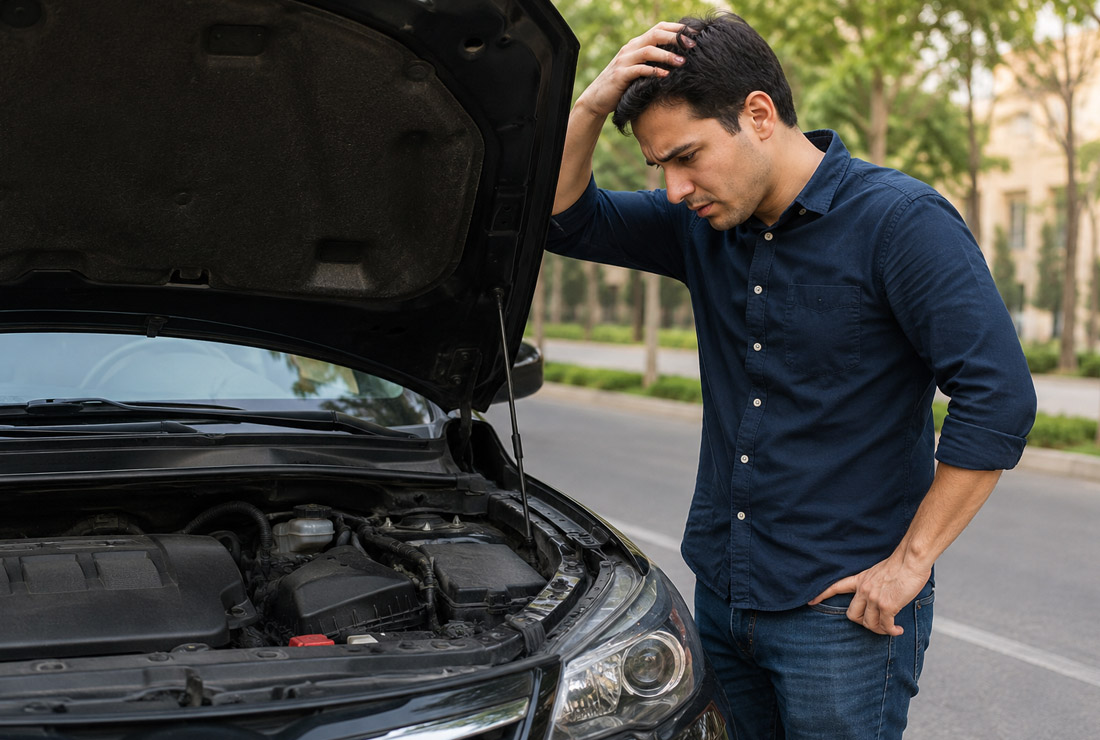
A vehicle that refuses to start can interrupt daily plans and leave drivers in San Antonio searching for answers. Several mechanical and electrical problems can prevent an engine from turning over, and identifying the actual cause helps avoid unnecessary repairs. A careful inspection also reduces the risk of overlooking a developing issue.
When unusual warning lights appear or repeated starting problems occur, auto diagnostics in San Antonio TX, can help identify faults within the engine, electrical, or computer systems before repairs begin. Modern diagnostic equipment retrieves fault codes and supports accurate troubleshooting instead of relying on guesswork. Professional evaluations commonly include engine systems, electronic components, and check engine light concerns.
Battery And Electrical System Problems
A weak battery remains one of the most common reasons a car will not start. Corroded battery terminals, loose cable connections, or an aging battery can reduce the power needed to crank the engine. Electrical faults may also interrupt the flow of power to critical components.
Starter Or Alternator Concerns
The starter motor activates the engine during ignition, while the alternator recharges the battery after the engine starts. Failure in either component can prevent reliable vehicle operation. Signs may include a clicking sound, dim dashboard lights, or repeated battery drain.
Fuel And Engine Issues
The U.S. Department of Energy states that only about 12% to 30% of the energy placed into a conventional vehicle produces movement on the road. The remaining energy supports engine operation, accessories, and losses caused by heat or mechanical inefficiency. A no-start condition can result when the fuel pump, injectors, ignition parts, or engine controls cannot support the combustion process.
Ignition System Failures
The ignition system creates the spark required for combustion. Worn spark plugs, damaged ignition coils, or ignition control faults can stop the engine from firing correctly. Prompt inspection helps prevent additional engine performance concerns.
Sensor And Computer Malfunctions
Modern vehicles depend on electronic sensors and onboard computers to control engine operation. Faulty crankshaft sensors, camshaft sensors, or other electronic components may send incorrect information that prevents starting. Diagnostic testing allows technicians to interpret stored error codes and determine the source of the problem accurately.
Warning Signs To Watch
Drivers should pay attention to symptoms that appear before a complete no-start condition develops.
- Slow engine cranking
- Flickering dashboard lights
- Clicking sounds during startup
- Check engine light remaining illuminated
- Repeated battery discharge
These symptoms may point to a weak battery, loose electrical connection, failing starter, charging-system fault, or sensor problem. Similar warning signs can result from different causes, so visual checks alone may not identify the issue. A professional inspection can test the affected systems and confirm which component requires repair.
Accurate Diagnosis Supports Reliable Repairs
A vehicle that fails to start may involve several systems working together, making visual inspection alone insufficient in many situations. Services like auto diagnostics in San Antonio TX, provide valuable information by identifying electronic faults, engine concerns, and system communication problems before repairs begin. Accurate diagnostics combined with professional troubleshooting help determine the correct repair path while supporting dependable vehicle performance over time.
Schedule A Complete Starting System Inspection in San Antonio
A complete starting system inspection helps identify faults in the battery, starter, alternator, ignition system, fuel delivery, and electronic controls before repairs begin. Skilled technicians use professional diagnostic equipment to pinpoint the actual cause instead of replacing parts based on assumptions. Accurate testing supports dependable repairs and helps reduce the risk of repeated starting problems.
A vehicle that fails to start may develop issues gradually before a complete breakdown occurs. Early diagnosis, routine inspections, and timely repairs help maintain reliable engine performance and reduce unexpected interruptions. Understanding the common causes of no-start conditions allows vehicle owners to make informed maintenance decisions and protect long-term reliability.