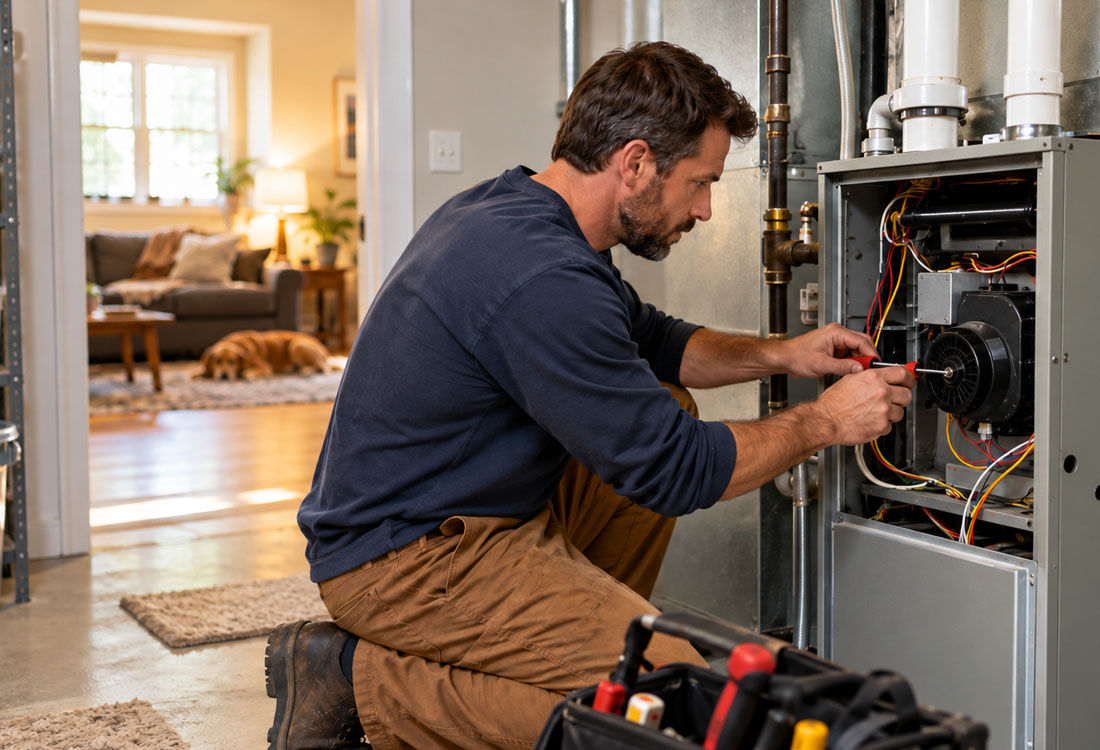
Reliable heating is an important part of maintaining a comfortable and functional home or commercial property during colder weather, share Keyrenter West Seattle professionals. A heating system works continuously to maintain indoor temperatures, but regular operation can eventually cause components to wear, airflow to become restricted, or controls to develop problems. When a heating system begins performing differently, ignoring the warning signs can sometimes lead to more extensive equipment problems. Professional heating repair can help identify the cause of heating issues, restore system performance, and support dependable comfort throughout the heating season.
A heating system can experience many different types of problems during its service life. Some issues may be relatively simple, such as a dirty filter or thermostat setting, while others can involve electrical components, motors, ignition systems, blowers, controls, or other mechanical parts. Because different problems can produce similar symptoms, accurate diagnosis is an important part of professional service. A qualified HVAC technician can inspect the equipment, determine what is affecting its performance, and recommend an appropriate repair based on the condition of the system.Timely service can also help property owners avoid unnecessary inconvenience. A heating system that struggles to maintain the desired temperature may operate for longer periods, while a system that repeatedly shuts down can leave certain areas uncomfortable. Unusual noises, weak airflow, inconsistent heating, and frequent cycling should not be ignored. Professional attention can help determine whether these symptoms are caused by a minor service concern or a more significant equipment problem.
Recognizing Common Heating Problems
One of the first signs of a heating problem is reduced indoor comfort. If the thermostat is set to a normal temperature but the property remains colder than expected, the heating system may require inspection. The cause could involve the furnace, heat pump, thermostat, airflow, ductwork, or another part of the HVAC system.Uneven temperatures are another common concern. One room may feel warm while another remains noticeably cold. This can happen because of airflow restrictions, ductwork problems, insulation differences, thermostat placement, or heating equipment issues. A professional evaluation can help determine what is contributing to the temperature imbalance.Unusual sounds can also provide an early warning. Furnaces and other heating systems make normal operating sounds, but persistent rattling, grinding, banging, squealing, or repeated clicking may indicate a component that needs attention. Addressing unusual sounds early may help reduce the possibility of additional wear.Frequent cycling can also signal a problem. A heating system should operate according to indoor temperature requirements, but repeated short cycles may indicate an issue involving airflow, thermostat controls, equipment sizing, or another component.
Understanding Why Heating Systems Develop Problems
Heating equipment experiences normal wear as it operates over time. Motors, blowers, electrical connections, controls, ignition components, and other parts may gradually lose performance. The amount of wear can depend on system age, operating frequency, maintenance history, and the overall condition of the equipment.Airflow restrictions are another common cause of heating problems. A dirty filter can make it more difficult for the system to move air through the equipment. Blocked return openings and supply vents can also interfere with air distribution.Thermostat problems may cause heating equipment to operate incorrectly. If the thermostat does not accurately detect indoor temperature or communicate properly with the system, the equipment may not turn on or off when expected.Electrical concerns can also affect heating performance. Loose connections, damaged wiring, or malfunctioning controls may prevent the equipment from operating normally. These issues should be evaluated by a qualified professional because heating systems contain electrical components that require specialized knowledge.
Why Professional Diagnosis Is Important
When a heating system stops working properly, it can be tempting to assume that the problem has an obvious cause. However, many HVAC symptoms can result from several different conditions. A system that fails to produce enough heat, for example, may have an airflow restriction, thermostat problem, mechanical issue, or another underlying concern.Professional diagnosis allows a technician to evaluate the system systematically. Depending on the type of equipment, the inspection may involve reviewing thermostat operation, checking electrical components, evaluating airflow, examining mechanical parts, and observing overall system performance.The purpose of diagnosis is to identify the actual source of the problem before performing unnecessary work. This can help property owners understand what is wrong with the equipment and why a particular repair is recommended.Professional heating repair can therefore provide more than a temporary response to a symptom. It can address the underlying problem and help restore the system to more dependable operation.
The Importance of Proper Airflow
Airflow is essential for many heating systems because warm air must be distributed throughout the property. When airflow is restricted, rooms may not receive enough conditioned air, and the heating equipment may have to operate differently than intended.Homeowners should check air filters regularly and replace them when necessary. The correct filter size and type should be used according to the system requirements and manufacturer recommendations.Supply vents and return openings should remain clear of furniture, rugs, curtains, boxes, and other objects that could interfere with air movement. Keeping these areas unobstructed can help support normal airflow.If airflow remains weak even after basic maintenance, a professional inspection may be necessary. Ductwork problems, blower issues, or other system concerns may require specialized service.
Heating Repair for Residential Properties
A heating problem can quickly affect comfort throughout a home. Families depend on heating equipment to maintain comfortable conditions in bedrooms, living rooms, kitchens, and other frequently used spaces.Homeowners should pay attention to changes in the way their heating system operates. If the system begins taking longer to warm the home, produces unfamiliar sounds, or cycles more often than usual, professional evaluation may be appropriate.Simple homeowner checks can include reviewing the thermostat setting, checking the air filter, and ensuring that vents are unobstructed. However, complicated repairs should not be attempted without proper training.Electrical components, internal mechanical parts, fuel-related connections, and specialized controls require professional attention. An experienced HVAC technician can identify the problem and explain the recommended repair.
Heating Repair for Commercial Properties
Commercial buildings often have more complex heating requirements than residential properties. Offices, retail spaces, workshops, and other business environments depend on reliable heating to maintain comfortable conditions for employees, customers, and visitors.A heating failure can interfere with normal business operations. For this reason, commercial property managers can benefit from monitoring HVAC performance and maintaining regular service schedules.Changes in indoor temperature, unusual equipment sounds, repeated shutdowns, or increased operating time may indicate that the heating system requires professional attention.Commercial heating equipment may also experience significant operating demands. Regular maintenance and timely repair can help property managers identify developing concerns and reduce the risk of unexpected interruptions.
Warning Signs That Should Not Be Ignored
Some heating problems can become more serious when they are ignored. A complete loss of heat is an obvious reason to request professional service, but less severe symptoms can also deserve attention.Persistent unusual noises should be evaluated because they may indicate mechanical wear or a loose component. Repeated cycling may also suggest an operational concern that should be diagnosed.Weak airflow can affect comfort and system performance. If changing the filter does not resolve the problem, a technician may need to inspect the equipment and ductwork.A sudden change in energy usage can also provide useful information. If the heating system appears to operate for longer periods than before, professional evaluation can help determine whether equipment condition, airflow, or another factor is responsible.
How Timely Repairs Support Equipment Performance
Delaying necessary service can sometimes allow a relatively small issue to place additional stress on other components. A malfunctioning part may cause the system to operate differently, potentially increasing wear.Prompt heating repair gives an HVAC professional an opportunity to investigate the issue before it develops into a larger system problem. While no repair can guarantee that other components will not fail in the future, timely attention can help prevent known concerns from being left unresolved.Property owners should consider professional service when heating performance changes noticeably. Early diagnosis can provide useful information and help determine whether a repair is necessary.
The Connection Between Maintenance and Heating Repairs
Regular maintenance and timely repair work together to support the performance of a heating system. Preventive service provides an opportunity to inspect equipment and identify signs of wear before they become major concerns.Maintenance may include checking important components, evaluating airflow, reviewing system controls, and assessing overall operation. The exact procedures depend on the type of heating system and manufacturer recommendations.Homeowners can support maintenance by replacing filters when needed, keeping vents clear, and monitoring system performance.A consistent maintenance history can also help property owners understand the condition of their heating equipment. Service records can show whether repair needs are becoming more frequent and whether the system may eventually require replacement.
When Repair May Be Better Than Replacement
Not every heating problem means that the entire system should be replaced. In many situations, repairing a specific component can restore dependable operation.A relatively newer system with an isolated problem may be a strong candidate for repair. If the equipment has been properly maintained and has otherwise performed reliably, replacing one worn component may be a practical solution.However, an older system with repeated breakdowns may require a broader evaluation. If several major components have begun failing, continued repairs may eventually become less practical.An HVAC professional can evaluate the condition of the system and explain the available options. Property owners can then compare the benefits of repair and replacement based on the actual condition of their equipment.
Selecting a Qualified HVAC Professional
Choosing an experienced HVAC service provider is an important part of getting dependable heating service. The technician should understand the type of heating equipment installed at the property and have experience diagnosing similar problems.Clear communication is also valuable. Property owners should receive an understandable explanation of the problem, the recommended repair, and any additional concerns identified during the inspection.A professional approach focuses on finding the actual cause of the problem instead of simply replacing parts without diagnosis. This can help reduce unnecessary work and provide a more reliable repair.Property owners should also consider ongoing service. Building a relationship with a qualified HVAC professional can make routine maintenance and future repairs easier to manage.
Improving Heating Reliability Through Preventive Care
Although heating failures cannot always be prevented, regular attention can help reduce certain avoidable problems. Homeowners should monitor filters and replace them when necessary.The area around heating equipment should remain accessible and free of unnecessary clutter. Supply and return vents should also remain unobstructed.Professional maintenance should be scheduled according to the equipment requirements and property needs. During service, technicians can identify signs of wear and explain whether any components require attention.Paying attention to changes in system performance is equally important. A small change in heating behavior can sometimes provide useful information before a complete failure occurs.
Planning for an Aging Heating System
Every heating system eventually reaches the later stages of its service life. As equipment becomes older, normal wear can increase and repair needs may become more frequent.Maintaining service records can help property owners identify these changes. If a furnace or other heating system begins requiring repeated repairs, it may be time to discuss long-term replacement planning with an HVAC professional.Planning ahead can provide more time to evaluate available equipment options and determine the appropriate installation approach. It can also reduce the pressure associated with making a replacement decision during an unexpected heating emergency.A professional evaluation can help property owners understand whether continued repair is practical or whether replacement planning should begin.
Supporting Better Indoor Comfort
Heating performance affects more than the temperature displayed on a thermostat. Consistent airflow and even distribution of warm air can influence how comfortable different rooms feel. If certain areas remain consistently colder, homeowners should discuss the issue with an HVAC professional. The cause may involve ductwork, insulation, equipment capacity, or airflow rather than the heating unit alone. A comprehensive approach can help identify factors that influence overall indoor comfort. Addressing the actual source of the problem can provide better results than simply increasing the thermostat setting. Professional HVAC service, including reliable heating repair, can help property owners understand the relationship between equipment performance, airflow, and indoor comfort.
Conclusion
A dependable heating system is essential for maintaining comfortable indoor conditions, and heating problems should be addressed when they begin affecting normal operation. Reduced heating performance, uneven temperatures, unusual noises, frequent cycling, weak airflow, and repeated shutdowns can all indicate that professional evaluation may be necessary.Professional heating repair focuses on identifying the underlying cause of the problem and restoring the system according to its specific requirements. Accurate diagnosis is important because similar symptoms can result from different mechanical, electrical, airflow, or control-related issues.Regular maintenance, proper filter care, clear airflow pathways, and timely professional service can help support the long-term performance of heating equipment. Property owners should also keep records of repairs and maintenance so they can monitor the condition of the system as it ages.When heating equipment begins showing signs of trouble, addressing the issue promptly can help reduce inconvenience and support more reliable operation. With qualified HVAC service, appropriate maintenance, and informed decisions about repair or replacement, homeowners and property managers can maintain dependable heating performance and comfortable indoor conditions throughout the heating season.



