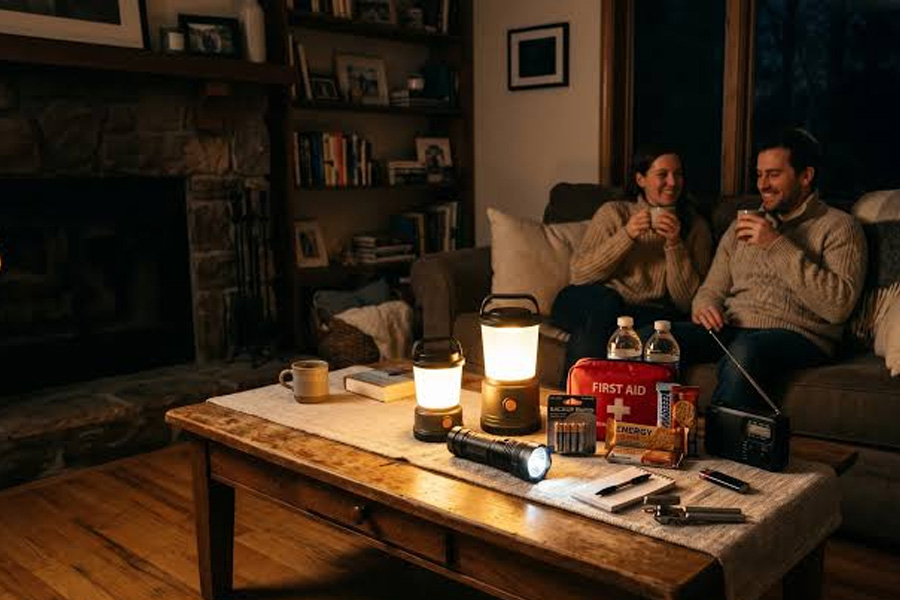
When severe storms, grid overloads, or equipment failures knock out electrical power for hours—or even days—our immediate focus shifts to basic survival. We hunt down flashlights, check on stored food, and wait for the lights to flicker back on. However, when an outage stretches from a minor inconvenience into a multi-day ordeal, basic survival isn’t enough. Maintaining physical comfort and mental peace becomes the real priority.
Staying comfortable during an extended power outage requires shifting from a reactive mindset to a strategic one. By actively managing indoor temperatures, lighting, food supplies, and backup power, you can transform a chaotic blackout into a safe, manageable, and surprisingly comfortable staycation at home.
1. Managing Indoor Temperatures Without HVAC Systems
Quick Answer: Regulate indoor climate during an outage by controlling thermal loss—creating a micro-climate zone in a single room during winter, or using thermal shading and cross-ventilation during summer.
Extremes in temperature represent the biggest threat to comfort during a blackout. Without central heating or air conditioning, indoor air rapidly tracks toward outdoor conditions.
In cold weather, insulate a single, central room to concentrate body heat. Close interior doors to unused bedrooms, hang heavy blankets over windows to block drafts, and set up a small camping tent inside the room—a “shelter-in-a-shelter” design traps warmth remarkably well overnight. Layer clothing using wool or synthetic materials rather than cotton.
In hot weather, prevent heat buildup before it starts. Close blinds, curtains, and thermal shades on sun-facing windows during peak daytime hours. Open windows only at night when outdoor temperatures drop below indoor levels, using battery-powered personal fans to create cross-ventilation across living quarters.
2. Creating Warm, Functional Ambient Lighting
Quick Answer: Swap harsh, directional flashlights for warm, diffused LED lanterns, headlamps, and battery-powered string lights to create a relaxed, homey environment without open-flame hazards.
Relying on a single handheld flashlight creates stark shadows and forces you to carry a light source everywhere you move. Meanwhile, open-flame candles pose significant fire hazards and produce minimal usable light.
To build an inviting indoor atmosphere:
- Diffused Area Lighting: Place battery-operated LED lanterns on high shelves or hang them from ceiling fixtures to bounce soft light off walls and ceilings.
- Warm String Lights: Battery-powered fairy lights draped across a living room produce a warm, calming glow that reduces anxiety for children.
- Hands-Free Task Light: Use adjustable headlamps for cooking, reading, or navigating dark stairwells safely.
3. Preserving Food and Preparing Hot Meals Safely
Quick Answer: Keep refrigerator and freezer doors closed to preserve internal cold, consume perishable items within the first four hours, and use outdoor butane or propane stoves outside for hot meals.
A blackout doesn’t mean eating cold canned beans for days. With proper planning, you can prepare hot, comforting meals without risking foodborne illness.
Keep refrigerator doors shut tightly; a unopened fridge keeps food safe for about four hours, while a full freezer maintains safe temperatures for up to 48 hours. Eat fresh, perishable foods first before opening non-perishable pantry supplies.
When cooking, never use outdoor camp stoves, charcoal grills, or generators inside your home, as carbon monoxide builds up silently and can be fatal. Set up your portable stove outside on a patio or driveway to heat water for instant meals, coffee, or tea, providing a huge psychological boost during stressful times.
4. Maintaining Personal Hygiene and Sanitation
Quick Answer: Store one gallon of water per person per day, utilize no-rinse body wipes for personal hygiene, and prepare dry-toilet supplies in case municipal water pressure or well pumps fail.
If an outage affects local municipal water treatment or disables your home’s electrically powered well pump, maintaining cleanliness becomes tricky. Staying clean prevents skin irritation and lifts morale.
Prioritize your water supply for drinking and basic sanitation:
- No-Rinse Wipes: Use body wipes or dry shampoo to stay clean without wasting precious stored drinking water.
- Hand Sanitizer Stations: Place pump bottles of hand sanitizer near food prep zones and bathroom areas.
- Sanitation Kits: Keep contractor trash bags, sawdust, or kitty litter on hand to line toilets if water pressure drops completely.
5. Long-Term Energy Independence: Solar and Battery Solutions
Quick Answer: Investing in permanent residential solar energy paired with battery storage provides continuous, automatic electricity for critical circuits during prolonged utility blackouts.
While portable power stations and fuel-powered generators offer temporary relief, multi-day outages highlight the limitations of relying on stored fuel or small portable batteries. Gas generators are loud, produce harmful emissions, and require continuous fuel refills that may not be available during widespread disasters.
To achieve true, uninterrupted comfort during a blackout, modern homeowners are turning to renewable energy infrastructure. Investing in a professional solar panel installation in Utah paired with smart home battery storage allows your home to generate clean electricity during the day and store it for overnight use. During a grid failure, these integrated systems automatically disconnect from the public utility line and power your essential appliances—including refrigeration, lighting, internet, and medical devices—without noise or fuel reliance.
6. Myth vs. Reality: Outage Comfort Misconceptions
Separating common myths from practical reality ensures your safety and comfort during long power disruptions.
- Myth: “Opening the refrigerator quickly to pick out an item won’t warm it up.”
- Fact: Opening the door allows heavy cold air to spill out instantly, replacing it with warm ambient air. Know what you need before cracking the door.
- Myth: “Running a gas generator in an open garage is completely safe.”
- Fact: Carbon monoxide can easily accumulate in garage spaces and seep into living quarters through interior doors and vents. Always operate generators outdoors at least 20 feet away from home openings.
- Myth: “You should drain your hot water heater immediately when power goes out.”
- Fact: Your home’s water heater tank holds 40 to 80 gallons of fresh, insulated water. Leave it intact until you need it as an emergency clean drinking reserve.
7. Extended Outage Preparedness Checklist
Use this practical checklist to audit your home’s long-term blackout preparation before severe weather hits:
- Water Reserves: Minimum 3-day supply (1 gallon per person/pet per day).
- Lighting: 2–3 warm LED lanterns, headlamps, and fresh batteries.
- Thermal Gear: Heavy sleeping bags, thermal blankets, and draft-stopping towels.
- Food Supplies: Non-perishable meals requiring low/no water to prepare.
- Emergency Power: Portable power banks for phones or integrated home battery backup systems for critical household circuits.
- Entertainment: Books, playing cards, board games, and a battery-powered weather radio.
Summary of Key Takeaways
Thriving during a long blackout isn’t about toughing it out in the dark; it comes down to treating temperature, lighting, sanitation, and power as a manageable system.
- Control Thermal Loss: Isolate a central room in winter and block direct sunlight in summer to maintain indoor comfort.
- Diffused Lighting: Use LED lanterns and headlamps to create a warm, functional environment.
- Protect Food and Water: Manage fridge openings carefully and maintain clean water reserves.
- Invest in Resilience: Combine solar generation with emergency power backup systems to keep critical household circuits active through grid disruptions.
With the right preparation and strategies in place, an extended power outage transitions from a frightening emergency into an organized, comfortable event for your entire household.