How to Resolve Lawn Drainage Issues
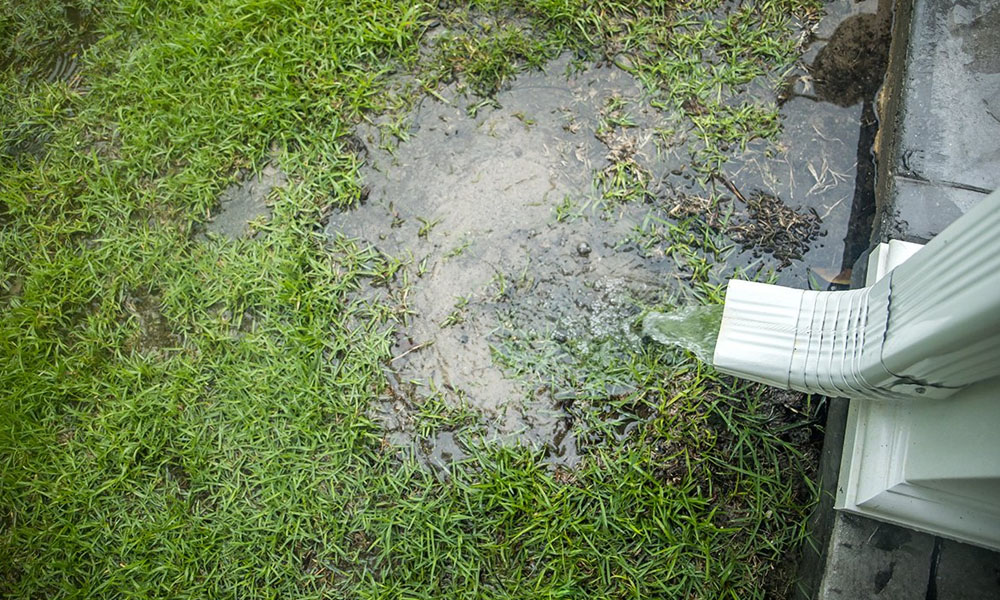
It’s frustrating, right? Stepping outside after a rainy day and finding your lawn covered in puddles… Maybe one soggy corner never seems to dry out. Or perhaps water collects near your patio every time it rains.
If you’ve dealt with muddy grass, standing water, or a lawn that feels like a sponge under your feet, you’re not alone. Poor lawn drainage is common. It’s such a common problem for homeowners that there’s several ways to resolve it. And you need to do so soon. Why? Because it becomes far more noticeable as the seasons change, too.
The good news is, you don’t always need to complete redo your yard to improve drainage. In many cases, a few practical changes make a major difference. And if you’re considering replacing a constantly muddy area with synthetic turf, speak with a profession. They’ll give you ideas for improving the area – all the while creating a lower-maintenance lawn.
So, it’s definitely worth Googling “artificial grass company near me.”
Before you begin digging, though, take a little time. Figure out where the water it coming from. Look at where the water naturally wants to go. Only once you understand the problem will you be able to choose the right solution.
Level Low Spots
One of the most common reasons water collects in a yard is an uneven lawn. Low spots act like little bowls, giving rainwater nowhere to go.
If the depression if relatively small, you could gradually fill it with a mixture or quality topsoil and compost. Add a thin layer at a time. Don’t pile several inches of soil onto the grass all at once. This allows the grass to continue growing while you slowly raise the area.
For larger low spots, you might need to remove the grass. Then you’d need to add soil and regrade the area. Ideally, your lawn should still have a gentle slope. This would move water away from your home’s foundations and toward an appropriate drainage area.
Add Organic Compost
Sometimes, the problem isn’t just the shape of your lawn – it’s the soil itself. Maybe the problem it heavy clay or compacted soil. Whatever it is, it prevents water from soaking into the ground properly.
There’s a simple fix. Add organic compost. Doing so helps improve soil structure. That gives water more room to move as well. If your lawn is heavily compacted, consider aerating it before adding compost. Core aeration creates small openings. This allows air, nutrients, and water to penetrate the soil more easily.
This approach does work well – but only for mild drainage issues! But it won’t solve every problem. If your yard stays saturated for days after rain, a more extensive drainage solution is required.
Install an Underground Drain
But what about persistent drainage issues? That’s when an underground drainage system is worth considering. A French drain, for example, collects excess water and redirects it to a suitable location.
These systems typically use a perforated pipe surrounded by gravel. Water moves through the gravel and into the pipe. This then carries it away from the problem area. Depending on your yard, a catch basin or channel drain may be a better option.
Just ensure you have a safe place for the water to go before installing any drainage system. Otherwise, you could simply move the flooding problem to another part of your property. And no one wants that.
To conclude, a soggy lawn becomes a much more usable and attractive part of your yard with the right approach. Those listed above are worth considering, but they will depend on your individual situation.