Severe weather rarely presents an isolated concern for a home’s exterior. Rains reveal vulnerabilities in flashing, and winds threaten to lift loose materials. Hail or falling branches can compromise surfaces that appeared fine the day before. The best preparation is not a reactionary measure. It is a deliberate assessment of the components of the exterior that repel, channel, and resist the effects of the weather.
A few specific inspections and maintenance measures can help identify what might prove vulnerable when severe weather arrives.
Begin With the Roof
When considering how to prepare your home for severe weather, the roof is an obvious place to begin. Issues that might only mildly impact the home under other conditions could be exacerbated by wind-driven rains. From the ground, note any missing, cracked, curled, or displaced shingles, or areas of the roof that appear uneven, with flashing or roof penetrations that are exposed. Avoid climbing onto a roof simply to troubleshoot a possible issue.
A thorough look at the roof should be performed by someone who has the proper equipment, particularly when the roof has steep angles or is otherwise difficult to navigate. The point of a visual inspection of the roof is to identify any glaring vulnerabilities and decide how much risk they might pose.
Check Gutters and Drainage
Gutters aid in directing water away from siding, windows, foundations, and other elements. Leaves, twigs, and granules from shingles can build up and impede the intended flow of water along the length of the gutter.
Clear any easily accessible gutters and ensure that the downspouts are directing water away from the side of the house and not on top of it. Check for individual fasteners or sections of gutter that have pulled away from the roof or wall, or that have come unhinged at the joints. All of these are maintenance issues in a typical year, but they are potential problem areas in a year with above-average rainfall.
Address Roof Concerns Before the Forecast Deteriorates
If a visual inspection raises concerns, address them while the calendar allows. Interior water stains in an attic, daylight visible around roof penetrations, damaged flashing, or missing shingles or roofing are all worth a second look before the next round of rain.
A professional inspection can identify whether a cosmetic concern might actually require maintenance or repair. Homeowners in the Murfreesboro area can add Pinnacle Roofing Murfreesboro, TN to their list of roofing contractors when identifying potential issues with the roof. The more important distinction is whether any element of the roof already has the ability to allow water into the home or is loose enough to be displaced by the wind.
Scan the Siding, Trim, and Any Openings
Siding, trim, and openings in the home’s envelope should be checked for any loose sections, cracks, or areas of damage or deterioration. Pay particular attention to areas of the home’s siding that meet trim or another surface, and to any areas where openings such as doors or windows have been sealed with caulk that has since pulled away.
These are important considerations for severe weather because wind-driven rains can find ways into the house that would not be an issue during a typical downpour. Addressing minor trim or siding issues is far easier before a rainstorm than it is after one. If the repair requires working on a high wall, electrical equipment, or another inaccessible area, it may be best to call in a professional handyman or contractor.
Minimize the Threat Posed by Loose Outdoor Possessions
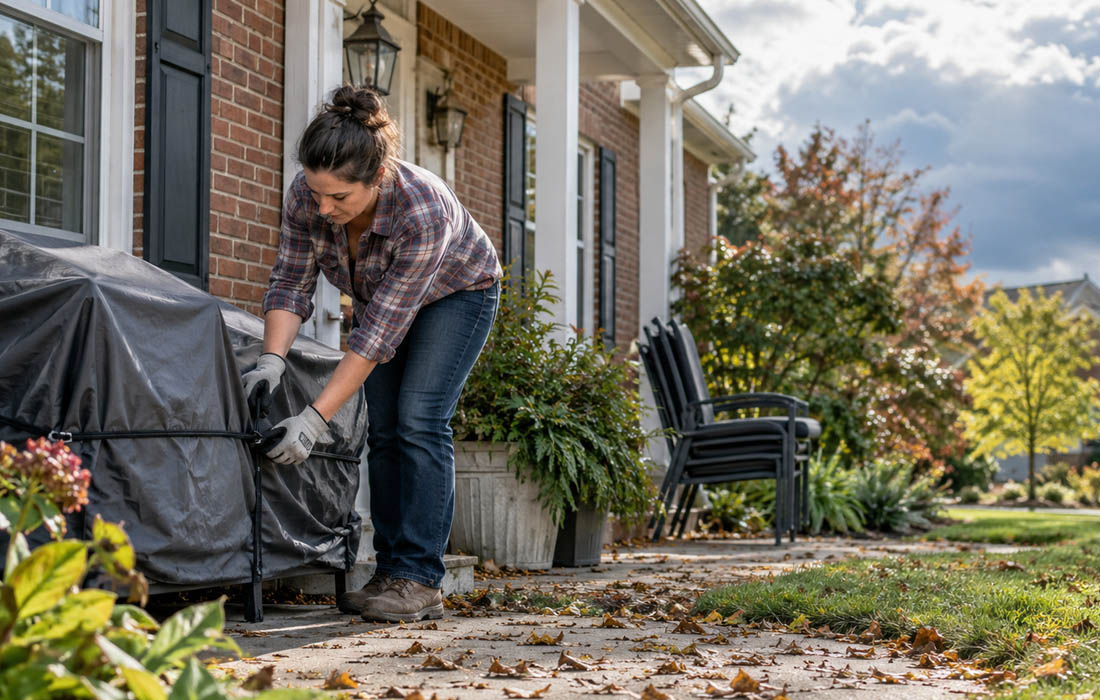
Not every hazard is permanently affixed to the side of a home or business. Objects such as patio furniture, planters, and decorations, as well as tools, toys, and light storage containers, can be projectiles or obstacles when the wind picks up. Smaller items should be brought inside or secured in a safe, stable location before severe weather is imminent.
Apply the same consideration to trees and large branches, particularly those that appear dead or damaged. Entire limbs or trees may need to be thinned or removed altogether, depending on the circumstances. This is a task best left to a qualified tree-care professional, especially when the branches in question are near the home or utility lines.
Create a Simple Checklist for the Exterior
How to prepare your home for severe weather can be easier to identify when it is broken down into a list of concerns. A short checklist that covers the roof, gutters, drainage, siding, windows, doors, loose outdoor possessions, and the condition of nearby trees can be a helpful guide any time that severe weather is in the forecast. It may also be helpful to take pictures of the exterior of the home at regular intervals for reference. If a storm makes it difficult to tell what has changed, the photos can serve as a reminder of what should be examined.
Preparation Does Not Eliminate Every Risk
A well-prepared exterior may still incur damage from severe weather before the next calm day. Preparation for severe weather is about minimizing the number of clear opportunities for the storm to take advantage of the home. Begin with a review of the components that repel, channel, and withstand the effects of the weather, address any loose or damaged items when the weather permits, and know which jobs should be left to a professional. A review of the home’s exterior during a period of calm weather is far more helpful than trying to troubleshoot issues in the middle of a storm.



