An electrical upgrade touches nearly every corner of a home, from the panel in the basement to the outlets behind the couch. Getting ready ahead of time saves money, shortens the timeline, and keeps the project from turning into a series of surprises.
This guide walks through the practical steps homeowners can take before the electrician arrives, covering everything from inspecting the panel to protecting belongings during the work itself.
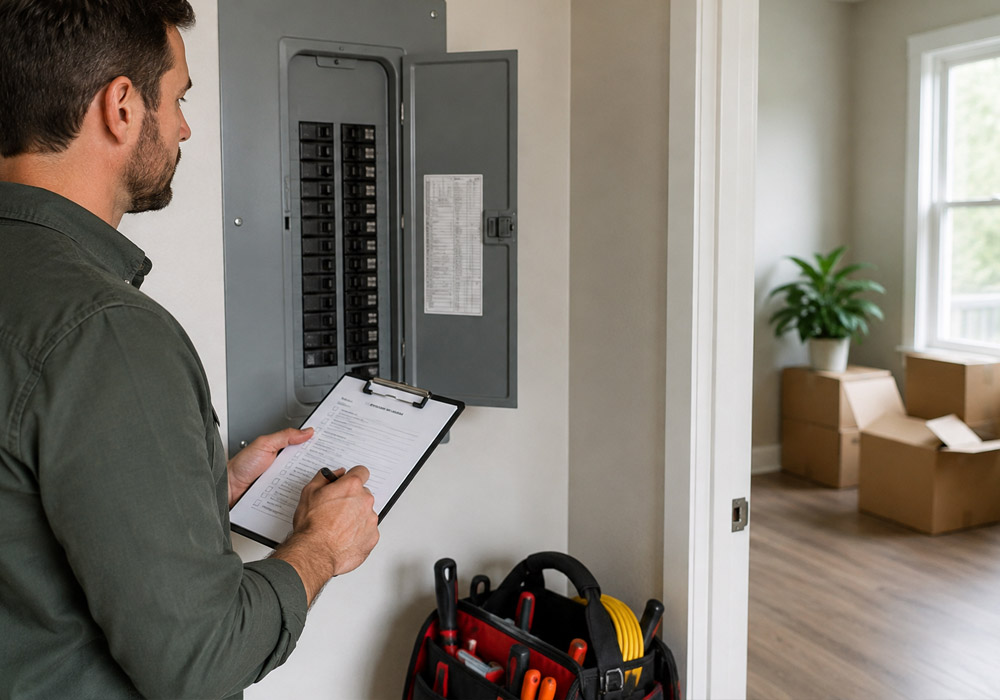
Assess Your Current Electrical Panel
Most homes built before the 1990s carry panels rated for loads that modern households now exceed without much thought. A 60- or 100-amp panel might have handled a smaller family decades ago, but electric vehicles, home offices, and kitchen appliances can push that same panel past its limits quickly, explains Mike Dunfee Group, a trusted provider of property management in Torrance, CA.
Old fuse boxes reveal themselves through blown fuses that need constant replacement, a burning smell near the panel, or visible corrosion around the switches. According to veteran electricians in Minneapolis, homeowners who ignore these warning signs often face emergency shutdowns mid-project, which adds cost and delay to what should have been a straightforward upgrade.
A breaker that trips occasionally during a storm is normal. One that trips every time the microwave and toaster run together points to a deeper capacity problem that no amount of rewiring outlets will solve on its own.
Future load matters just as much as current use. A family planning to add a hot tub, a workshop, or a second EV charger within the next few years should size the new panel for that future, not just for today’s appliances.
Schedule a Licensed Electrician Inspection
Permit rules vary by city and sometimes by neighborhood, so the first call worth making is to the local building department. Some municipalities require a permit for panel swaps but not for minor circuit additions, and skipping this step can stall a project after the work has already started.
A proper load calculation looks at every major appliance, HVAC system, and planned addition before recommending panel size. Guessing at this number, or copying what a neighbor installed, often leads to a panel that’s either oversized and wasteful or undersized and prone to the same tripping problems as before.
Code compliance checks catch issues that aren’t visible during a casual walkthrough, such as improper grounding, outdated wire gauge, or missing arc fault protection in bedrooms. Correcting these during the upgrade costs far less than fixing them after an inspector flags them later.
Timelines and costs shift based on panel size, home age, and whether the service line from the street needs upgrading too. Getting a written estimate with a rough schedule helps homeowners plan around the disruption instead of guessing how long the work will take.
Clear Access to Work Areas
Electricians need clear paths through attics, crawl spaces, and basements to run new wiring without tripping hazards slowing them down. Boxes, holiday decorations, and stored furniture piled near the panel or attic hatch should move well before the crew shows up.
Furniture blocking outlets or the panel itself adds time to a job that’s often billed by the hour. Moving couches, bookshelves, and cabinets away from these areas the night before keeps the first hour of work focused on the actual task rather than rearranging the living room.
Vehicles parked near an exterior panel or meter box can block utility crews and electricians, especially during upgrades that require the power company to temporarily disconnect service. Leaving the driveway or side yard clear avoids an awkward delay right when work is set to begin.
Pets add their own complications, since open doors, unfamiliar noise, and strangers moving through the house tend to stress animals out. Keeping pets in a closed room or with a neighbor for the day removes one more variable from an already busy schedule.
Protect Your Home and Belongings
Drop cloths over flooring near the work zone catch dust, dropped tools, and the occasional bit of drywall debris that comes with running new wire. This small step protects hardwood, carpet, and tile from marks that are far easier to prevent than to fix afterward.
Sensitive electronics deserve extra attention during any project that involves cutting power to parts of the house. Unplugging computers, televisions, and gaming consoles ahead of time protects them from power surges that can happen when circuits are reconnected.
Dust barriers, even simple plastic sheeting taped across doorways, keep debris from spreading into rooms that aren’t part of the work zone. This matters most in homes with open floor plans, where dust from one area travels quickly through the rest of the house.
Fragile items on walls near the work area, including mirrors, artwork, and shelving, are worth taking down temporarily. Vibration from drilling and the occasional bump from moving equipment can knock loose items that seemed perfectly secure the day before.
Plan for Power Interruptions
Most panel upgrades require the power company to disconnect service for part of the day, which means the whole house loses electricity during that window. A portable battery pack or generator covers essentials like phone chargers and medical devices without much hassle.
Refrigerators and freezers maintain their temperature for several hours if left closed, but a longer outage requires a plan. Moving perishables to a cooler with ice, or checking with the electrician about expected downtime, prevents a fridge full of spoiled food.
Anyone relying on medical equipment that needs power should flag this with the electrician before scheduling the work. Oxygen concentrators, CPAP machines, and similar devices often require a backup plan or a specific time window to avoid extended outages.
Working from home on the day of the upgrade rarely goes smoothly, since internet routers and computers lose power along with everything else. Blocking off the calendar or arranging to work from a coffee shop keeps the day from turning into a scramble between meetings.
Prepare Your Home’s Wiring Documentation
Older homes sometimes come with wiring diagrams from a previous renovation, tucked away in a drawer or filing cabinet. Digging these out ahead of the appointment gives the electrician a head start on understanding what’s already in the walls before they open anything up.
Records from past renovations, even informal notes about which contractor did what work and when, help explain unusual wiring choices that show up during inspection. A previous owner’s DIY fix in the basement, for example, is much easier to address when there’s context behind it.
Smart home devices add another layer worth documenting, including video doorbells, smart thermostats, and connected light switches. Listing what’s installed and where helps the electrician plan circuits that support these devices without overloading a single line.
Major appliances each draw a specific amount of power, and knowing those numbers ahead of time speeds up the planning process. A quick list of the range, dryer, water heater, and any other high-draw appliances gives the electrician exact figures rather than estimates.
Wrap Up
Preparing for an electrical upgrade comes down to a handful of practical steps: checking the panel, clearing space, protecting belongings, and planning around the outage itself. None of it requires technical knowledge, just a bit of organization before the crew arrives.
Homeowners who take these steps in advance tend to see faster, smoother projects with fewer surprises along the way. A little preparation turns what could be a stressful day into a routine upgrade that sets the home up for years of reliable power.