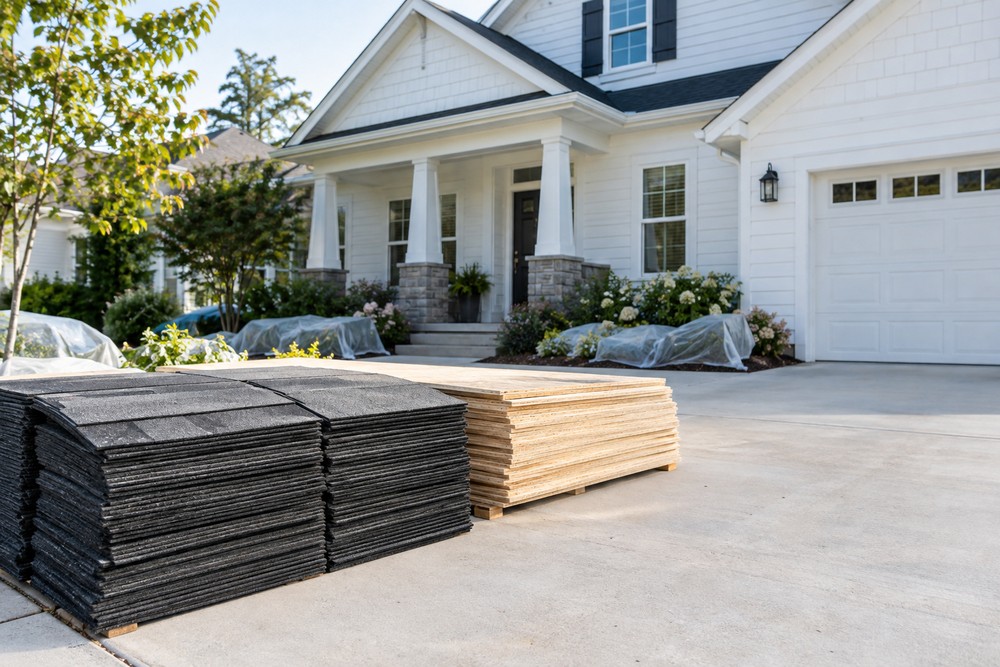
Replacing a roof affects more than the surface above the house. Materials need to reach the work area, vehicles may need different parking arrangements, and activity overhead can affect rooms, outdoor spaces, and daily routines below. Preparing the property beforehand can make those temporary changes easier for everyone in the household to manage.
Many preparations are simple once homeowners know what to expect. Moving vehicles, protecting delicate belongings, checking attic storage, and creating clear exterior access can reduce avoidable complications. A roof replacement project becomes easier to organize when preparation covers both the exterior work zone and the occupied spaces beneath it.
Homeowners should discuss property-specific requirements before work begins rather than assuming every project follows an identical routine. AG Exterior Solutions may be involved in that planning process, while the homeowner can focus on access, belongings, pets, landscaping, and household schedules. Clear preparation helps separate normal construction activity from problems that could have been prevented beforehand.
Clear the Driveway and Discuss Material Delivery Areas
Driveways often become important working spaces during roofing projects. Crews may need room for vehicles, materials, equipment, or debris handling, depending on the property and project plan. Leaving personal vehicles in their normal locations can make access more difficult and may place them unnecessarily close to active work.
Homeowners can ask where vehicles should be parked before the scheduled start. Moving cars in advance also prevents someone from needing to retrieve a vehicle after work has begun. Keys, work bags, children’s items, and anything else needed during the day should be removed before relocating the vehicle.
Material delivery deserves similar planning. The appropriate location depends on available space, surface conditions, access, and the contractor’s process. Confirming that location beforehand helps homeowners keep necessary areas available without guessing where materials will be placed.
Prepare the Attic for Movement From Above
Roofing activity can create vibration through the structure. Attics used for storage may contain boxes, decorations, fragile belongings, or uncovered items that homeowners would prefer to protect. Checking the space before work starts provides an opportunity to reorganize anything vulnerable.
Fragile objects should not be left in unstable positions where vibration could cause them to shift or fall. Covering stored belongings may also help protect them from dust or small particles that could move through gaps during the work. The exact precautions depend on the attic and how it is used.
Planning with AG Exterior Solutions can include asking what homeowners should expect inside the property during active work. Knowing which parts of the project may create noticeable vibration makes it easier to prepare rooms and storage spaces without moving belongings unnecessarily.
Check Walls and Shelves for Delicate Items
Vibration is not limited to attic storage. Pictures, mirrors, decorative plates, and objects resting near the edges of shelves may move while work is underway. Items that are particularly fragile or valuable can be temporarily relocated to a secure position.
There is no need to empty every room. The purpose is to identify belongings that could reasonably shift or fall when the structure experiences repeated movement. A brief walkthrough before the project can address those items without creating excessive preparation work.
Create Clear Access Around the House
Roofing work requires movement around exterior walls and roof edges. Furniture, planters, toys, hoses, grills, decorations, and portable equipment may occupy areas needed for access. Relocating movable objects creates a clearer perimeter and protects belongings from accidental contact.
A roof replacement in Hendersonville may also involve material and debris moving between the roof and ground. Homeowners should follow the contractor’s instructions regarding how much clearance is needed around the structure. Those requirements can vary with roof shape, building height, landscaping, and site layout.
Items that cannot be moved should be identified before work starts. Permanent landscape features, air-conditioning equipment, fences, and other fixed elements may affect how certain areas are approached. Discussing them beforehand allows the work plan to account for actual property conditions.
Give Landscaping Some Advance Attention
Shrubs, flower beds, small trees, and decorative landscaping often sit close to exterior walls. These areas may require consideration because they occupy the same perimeter needed for roofing access. Homeowners should point out delicate or difficult-to-see plants before the project begins.
Trimming overgrown branches may improve access in some situations, but homeowners should not assume major landscaping changes are required. The contractor can explain which areas need clearance based on the planned work. This prevents unnecessary pruning or removal that does not contribute to access.
Outdoor irrigation schedules may also deserve attention. Wet ground around the house can make exterior work areas less convenient, particularly where workers need repeated access. Discussing site conditions ahead of time helps homeowners coordinate routine property care with the project schedule.
Plan for Children and Pets During Active Work
Construction noise can be unfamiliar and stressful for children or animals. Doors may also open more frequently as household members adjust their routines, creating opportunities for pets to reach areas where work is occurring. Planning where everyone will spend the day can prevent unnecessary confusion.
Pets are generally easier to manage when kept away from active exterior work areas. Their normal outdoor routine may need temporary adjustment if access around the house is restricted. Food, medication, leashes, and other necessities should remain easy to reach throughout the day.
AG Exterior Solutions can provide project-specific information about expected activity, allowing homeowners to decide what arrangement fits their household. Some families may remain home comfortably, while others may prefer to spend the busiest work periods elsewhere.
Coordinate Deliveries and Everyday Household Access
Normal household activity does not automatically stop because roofing work is underway. Packages may arrive, visitors may need access, and residents still have schedules to follow. Thinking through those movements beforehand reduces unexpected interaction with the work zone.
Homeowners can identify which entrance should remain the primary route during the project. If access needs to change temporarily, household members should know before leaving or returning. Delivery instructions may also need adjustment if the usual drop-off area is close to active work.
A roof replacement plan should account for necessary access rather than assuming every exterior area can be used normally. Clear communication helps residents understand which spaces are temporarily restricted and when those restrictions are expected to apply.
Ask About Cleanup Before the Project Begins
Cleanup should be discussed during project planning rather than considered only after work finishes. Homeowners can ask how removed materials will be handled, where debris will be collected, and what areas will receive attention once installation is complete. Specific answers make expectations easier to understand.
The property should also be reviewed after the work area has been cleared. Homeowners can check driveways, patios, walkways, landscaping, and other frequently used spaces for anything requiring attention. Concerns are easier to discuss when they are identified promptly.
Understanding the cleanup process also helps homeowners know when outdoor belongings can return to their normal locations. Moving everything back too early may interfere with remaining work, while leaving the property unnecessarily empty creates inconvenience.
Preparation Makes a Major Roofing Project Easier to Manage
A roofing project temporarily changes how a property functions, but thoughtful preparation can keep those changes manageable. Clearing access, protecting delicate belongings, planning for pets, moving vehicles, and coordinating household routines address practical issues before construction activity begins.
The most useful preparation is based on the actual property and planned scope of work. Homeowners should confirm access requirements and schedules instead of relying on assumptions from another project. That keeps preparation focused on steps that genuinely matter.
With the property organized beforehand, residents can approach the work with clearer expectations about daily access and temporary disruptions. Preparation cannot eliminate normal construction activity, but it can reduce avoidable interference and help the project move forward without unnecessary conflicts around the home.