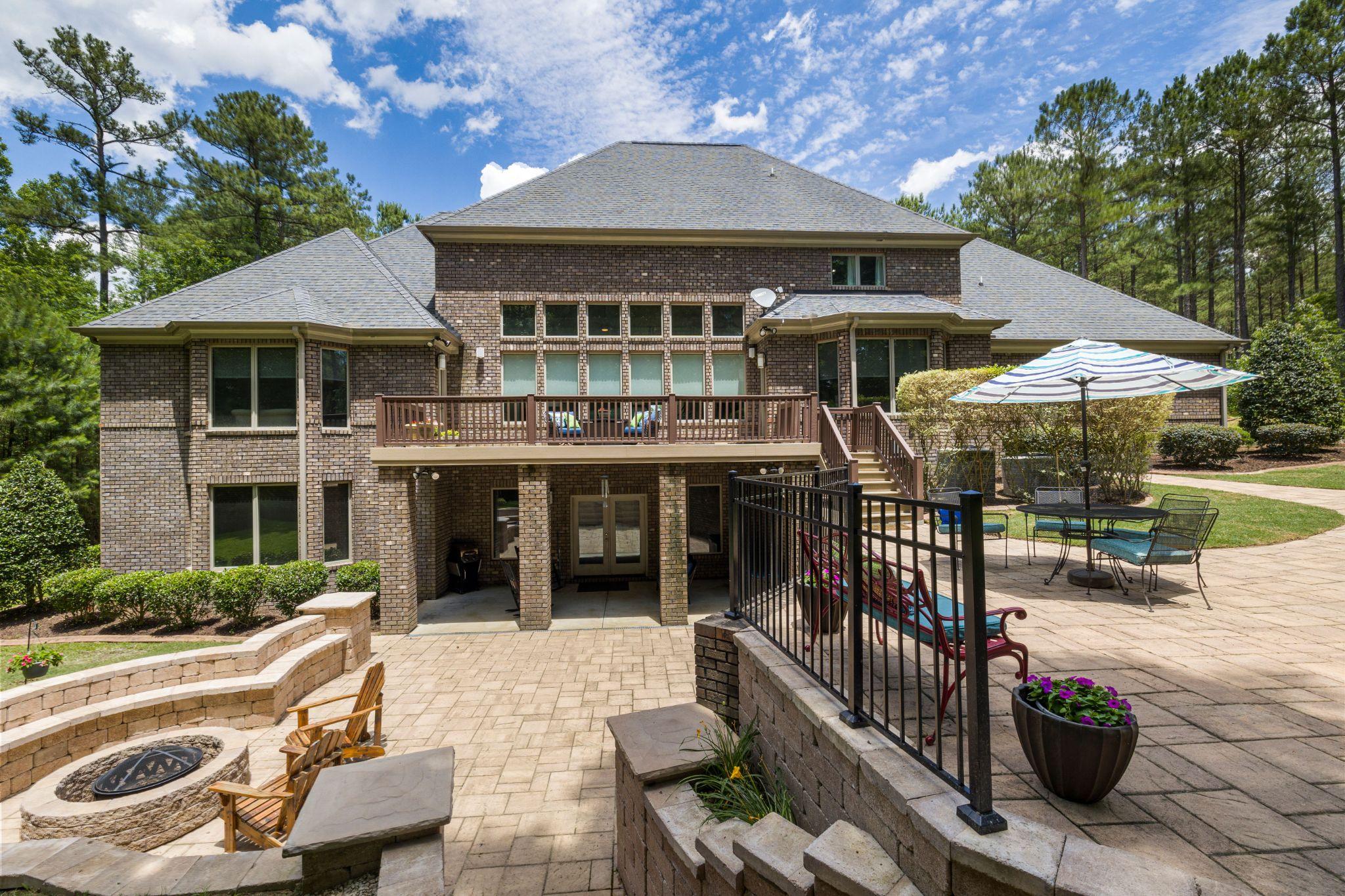
Outdoor spaces often end up looking like spatial afterthoughts. We buy a heavy table, drop it on the patio, and consider the job done. But a truly inviting garden area requires the same precise spatial planning as your interior living room. The goal is to build a layout that encourages long conversations and handles the harsh realities of constant weather exposure.
Whether you have a sprawling suburban backyard or a compact inner-city courtyard, you need structural intent. Turning an empty expanse of concrete or grass into a functional alfresco room relies on zoning, material selection, and strategic lighting. By applying classic interior design principles to the exterior, you bring warmth and functionality to your patio, making it the most utilized gathering area of your home.
Frame the space from the ground up
Without physical boundaries, an outdoor sitting area feels like furniture floating aimlessly in an empty yard. Anchor your gathering zone using a large outdoor rug to define the borders. A rug measuring 200 x 300 cm comfortably holds a standard modular lounge set and visually separates the relaxation zone from the rest of the garden.
Look for rugs made from 100% recycled PET plastic. They give you the soft, tactile texture of indoor wool but dry quickly after a heavy downpour and resist aggressive UV fading. Place heavy terracotta planters or tall galvanized steel pots at the corners of this rug to create natural walls. This approach encloses the space, making it feel intimate and protected even in an open, windy backyard. You establish a clear transition between the house and the garden, signaling to guests exactly where to sit and relax.
Balance aesthetic appeal with structural weather resistance
Your furniture carries the biggest visual weight in the garden, and outdoor pieces take a daily beating from the elements. When designing a dining or lounging zone, prioritize materials that age well with sun and moisture exposure. Solid FSC-certified teak and acacia wood bring natural organic warmth to an alfresco layout. If left untreated, these timbers develop a beautiful silver-grey patina over time that adds character to the space.
Pair heavy wooden tables with visually lighter seating to prevent the patio from feeling weighed down. If you regularly host long weekend lunches, you need seating that supports posture without trapping heat against the body. We recommend exploring breathable, weather-resistant outdoor dining chairs constructed with hand-woven UV-stabilized rope. This material combination—solid timber grounded with textured rope elements—captures the relaxed, warm modernism of Mediterranean styling.
Kave Home Australia consistently applies this exact material palette across their outdoor collections. Their Kave Cares program focuses on using recycled materials and responsibly sourced timber, offering pieces that look refined but withstand harsh local climates.
When selecting outdoor furniture, limit your core materials to these three highly durable options:
- Solid Acacia or Teak Wood: Naturally rich in oils that repel water and prevent rot.
- Powder-Coated Aluminum: Completely rust-proof and lightweight enough to move around easily.
- UV-Stabilized Polyester Rope: Offers the visual appeal of natural rattan but flexes comfortably and resists snapping in dry heat.
“Outdoor living requires a pragmatic approach to materials. You want tactile surfaces that invite touch but possess the structural integrity to survive sudden rain and high UV indexes,” notes Sydney-based landscape architect Marcus Thorne.
Layer lighting for after-dark comfort
Overhead architectural floodlights kill the mood instantly, making your patio feel like a commercial parking lot. To create a cozy atmosphere once the sun sets, treat your patio lighting exactly like your living room scheme. Use multiple low-wattage light sources positioned at different heights to create pockets of warm illumination.
Rechargeable, portable LED table lamps are highly practical for outdoor dining. Place one in the center of your table and another on a side table near your lounge setting. Frame the perimeter of your patio with warm-white festoon lights strung securely overhead. This creates an artificial ceiling of light, effectively turning an open garden into a defined room. For a grounded look, place oversized glass lanterns with thick pillar candles near the base of your larger potted plants to cast soft, dancing shadows across the concrete or decking.
Add soft furnishings to soften hard architectural lines
Patios are built from concrete, stone, timber, and brick. These materials are cold and rigid by design. You must introduce textiles to break up the harsh geometry and make the space actually comfortable to sit in for hours.
Keep a heavy woven basket near the back door filled with cotton or linen throws. When the evening air drops by 5 or 10 degrees, guests can grab a blanket without you needing to interrupt the conversation to find one inside.
When choosing outdoor cushions, prioritize acrylic fabrics over standard cotton. They repel morning dew and resist mold growth. Stick to a Mediterranean color palette—think olive greens, muted terracotta, ochre, and warm oatmeal—to tie the natural garden surroundings into the furniture. Store them in a waterproof deck box when not in use. Constant sun exposure degrades even the toughest fabrics eventually, so covering your soft furnishings extends their lifespan significantly.
Optimize the spatial flow and clearance
A cozy space quickly becomes frustrating if people cannot move around easily. Always leave enough clearance around your furniture so guests do not have to squeeze past one another holding drinks.
Follow these standard spatial dimensions when planning your patio layout:
- Leave at least 90 cm of walking space between the edge of your dining table and any wall, railing, or planter.
- Provide a 45 cm gap between your lounge sofa and the coffee table. This gives people room to stretch their legs comfortably while keeping drinks within easy reach.
If you have a large, open yard, angle your armchairs slightly inward to face the main sofa rather than pushing everything flat against a wall. This closed-circle arrangement forces eye contact, encourages conversation, and makes wide open gardens feel immediately more personal and anchored. Building an inviting garden space takes deliberate planning, but getting the layout and materials right guarantees you will use it all year round.