Atlantic hurricane season runs from June 1 to November 30. By October, your roof has taken months of heat, heavy rain, and wind. A fall inspection tells you what to fix before winter storms and next spring’s rain.
You do not need to climb a ladder to start. Most early warning signs show from the ground, the attic, or your gutters.
Start From the Ground
Walk around your home on a clear day. Bring binoculars if you have them. Look for:
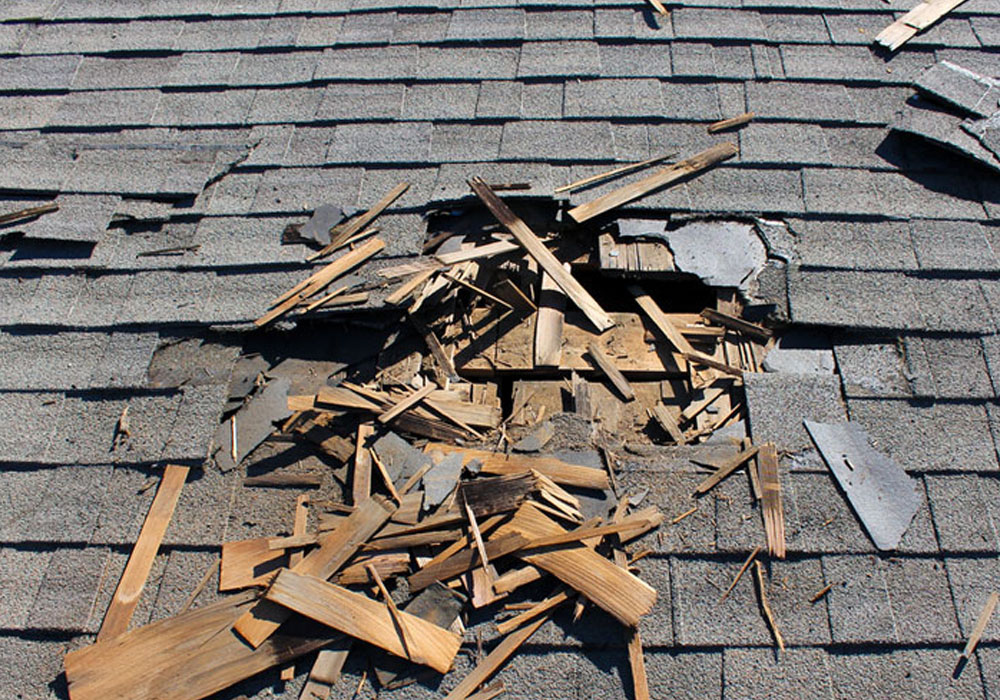
- Missing, cracked, or curled shingles
- Shingles that look darker in patches, which can mean granule loss
- Bent or lifted metal flashing around chimneys, vents, and skylights
- Sagging along the roof line
- Tiles that are cracked, shifted, or missing on a tile roof
Take photos of anything that looks off. Note the date. If you file an insurance claim later, dated photos help.
Check Your Gutters and Downspouts
Gutters show you what the roof is losing. A handful of shingle granules after a storm is normal. A pile of granules at the base of a downspout is not. It often means your shingles are wearing out.
Clear leaves and debris while you look. Clogged gutters push water back under the roof edge and into the fascia boards. In Georgia, fall leaf drop makes this a yearly job for most homeowners.
Look Inside Your Attic
Go into your attic on a sunny afternoon. Turn off the light. If you see daylight through the roof boards, water can get in too.
Also check for:
- Water stains or dark spots on the underside of the roof deck
- Damp or compressed insulation
- A musty smell, which can point to a slow leak
- Rusty nails poking through the decking
A stain that grows after each rain needs attention now. A small leak can rot decking and lead to mold within one season.
Know What Wind Damage Looks Like
Wind damage often hides in plain sight. Shingles can lift, break their seal, and lie flat again. From the ground, the roof looks fine. Up close, the shingle edge is creased or the sealant strip is broken.
Homeowners researching augusta roofing options after a storm often ask about insurance inspections first. Roofers at Armour Roofing, a locally owned company licensed in both Georgia and South Carolina, point out that many policies set a time limit for filing storm claims. Check your policy for that window before you schedule repairs.
Tile Roofs Need a Different Check
Tile roofs are common in Florida. Clay and concrete tiles can last 50 years or more. The underlayment beneath them usually wears out first.
Signs your tile roof needs a closer look:
- Cracked or slipped tiles after high winds
- Water stains on ceilings below roof valleys
- Debris build up in valleys, which traps water
- Tiles broken from someone walking on the roof
Do not walk on a tile roof yourself. Tiles crack under uneven weight. Homeowners searching for a roofing company tampa residents trust often ask whether a few cracked tiles mean a full replacement. Crews at Suncoast Roofing Solutions explain that broken tiles can often be swapped out one at a time. The bigger question is the condition of the underlayment beneath them.
Repair or Replace?
Age is the first factor. An asphalt shingle roof usually lasts 20 to 30 years, depending on the product and your climate. If your roof is near the end of that range and has storm damage, replacement may cost less over time than repeated repairs.
Ask these questions before you decide:
- How old is the roof, and what material is it?
- Is the damage limited to one area or spread across the roof?
- Is the decking still solid?
- Will your insurer cover the repair, the replacement, or neither?
- Has the roof leaked before in the same spot?
Get at least two written estimates. Ask each roofer to list materials, scope, and warranty terms on paper.
Set a Simple Schedule
Check your roof twice a year, in spring and fall. Check again after any storm with high winds or hail. Clean your gutters at least twice a year, and more often if trees hang over your home.
Keep a folder with your roof’s install date, warranty, past repairs, and inspection photos. When a storm hits, you will know what changed and what to report.