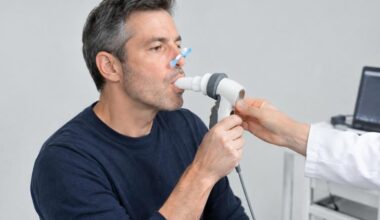
A strong clinical team makes the difference between short-term abstinence and lasting sobriety. Recovery professionals provide expert guidance through every phase of treatment. Residential programs rely on multidisciplinary teams to address addiction’s physical and emotional aspects. The following exploration reveals how these professionals support patients at each stage of recovery.
Initial Assessment and Treatment Planning
The recovery journey begins with a comprehensive evaluation conducted by clinical intake staff. Professionals gather detailed information about substance use history, mental health symptoms, medical conditions, and personal goals. Licensed counselors assess withdrawal risks and co-occurring disorders that require immediate attention.
For instance, the team at TruHealing Baltimore collaborates to construct individualized plans using evidence-based therapies matched to each person’s specific needs. Staff members explain program options and help patients understand what level of care suits their situation. This thorough assessment ensures that treatment addresses the whole person rather than just surface symptoms.
Medical Supervision During Withdrawal Management
Medical professionals oversee detoxification to ensure patient safety throughout the withdrawal process. Nurses and nurse practitioners monitor vital signs regularly and administer medications when clinically appropriate. The medical team responds quickly to complications that may arise during alcohol, opioid, or benzodiazepine withdrawal.
Psychiatric providers assess mental health stability and adjust treatment as needed during this vulnerable period. These professionals create a supportive environment where patients feel safe and respected. Medical supervision transforms a potentially dangerous experience into a manageable first step toward recovery.
Therapeutic Engagement Through Individual Counseling
Licensed therapists conduct regular one-on-one sessions that delve into addiction’s root causes. Clinical staff utilize cognitive behavioral therapy and motivational interviewing to address negative thinking patterns. Counselors help patients identify personal triggers and develop healthier coping mechanisms for stressful situations.
Trauma-focused therapy allows individuals to process past experiences that may contribute to substance use. Mental health professionals treat co-occurring conditions like depression and anxiety simultaneously with addiction. These therapeutic relationships provide the foundation for lasting behavioral change.
Group Therapy and Peer Support Facilitation
Group therapists guide patients through shared experiences that reduce isolation and build community. Clinical staff facilitates process groups where participants discuss struggles and victories openly. Professionals teach communication skills that improve relationships with family members and peers.
Group leaders help members give and receive constructive feedback in a safe, structured environment. These sessions provide accountability and motivation through observed progress in fellow participants. The recovery network developed during group therapy continues long after formal treatment ends.
Case Management and Practical Support
Case managers serve as advocates who help patients navigate obstacles during early recovery. Staff members address legal issues, financial concerns, and professional challenges that threaten stability. The team coordinates with outside providers to ensure continuity of care after discharge.
Professionals help patients connect with community resources for housing, employment, and ongoing support. Case managers work with families to repair relationships damaged by addiction. This practical assistance removes barriers that might otherwise derail progress.
Transition Planning and Aftercare Coordination
The clinical team prepares patients for life after residential treatment through comprehensive discharge planning. Staff members assess readiness for step-down to partial hospitalization, intensive outpatient, or outpatient care. Professionals develop relapse prevention strategies that address real-world triggers and high-risk situations.
Case managers coordinate with community providers to ensure seamless transitions between levels of care. For example, the team at TruHealing Baltimore educates patients about ongoing support resources available in their home communities. This thoughtful preparation increases the likelihood of sustained recovery after leaving structured care.
Professional guidance at every treatment phase creates the structure necessary for healing. Clinical staff combine evidence-based practices with genuine compassion to support lasting change. Patients who receive comprehensive support throughout recovery develop the skills and confidence needed for a sober future. This ongoing support also helps individuals navigate challenges more effectively as they work toward long-term recovery goals.