Key Takeaways
- Persistent breathing changes should be discussed with a healthcare professional, especially when they affect daily activities.
- Common COPD symptoms include shortness of breath, ongoing cough, mucus, wheezing, chest tightness, and fatigue.
- Smoking, secondhand smoke, workplace exposures, pollution, and other lung irritants can increase COPD risk.
- Tracking symptoms and possible triggers can help identify patterns and provide useful information during medical visits.
- Spirometry and other assessments may help healthcare professionals determine the cause of breathing problems.
- Following prescribed treatment, avoiding triggers, pacing activities, and attending regular medical reviews can support COPD management.
- Severe or rapidly worsening breathing problems require urgent medical attention.
Chronic obstructive pulmonary disease, commonly called COPD, can make it harder to move air in and out of the lungs. Symptoms may develop gradually, making it easy to overlook early changes in breathing. People who want to understand how studies may contribute to future care options can explore COPD research, while remembering that clinical research is separate from routine medical advice and treatment. Breathing symptoms can have many possible causes, including infections, asthma, heart conditions, and COPD. This guide can help readers recognize patterns worth discussing with a healthcare professional, but it cannot diagnose a condition or replace personal medical care.
Why Early Signs Matter
Shortness of breath is not always a simple sign of getting older or being out of shape. A person may first notice that a familiar walk, household chore, or flight of stairs requires more pauses than before. When breathing changes persist, become more frequent, or affect everyday routines, an earlier conversation with a clinician can help identify the cause and guide appropriate testing.
Common Symptoms To Watch
Symptoms vary widely, and having one symptom does not mean someone has COPD. Still, the common symptoms of COPD include shortness of breath during activity, an ongoing or recurring cough, increased mucus, wheezing, chest tightness, and fatigue. Some people feel that breathing requires extra effort, while others may be more aware of coughing or changes in phlegm. Symptoms can also worsen suddenly during what is often called a flare-up. More coughing, new or heavier mucus, a change in mucus color, fever, or noticeably harder breathing can all be important changes to report. Do not wait for symptoms to become severe before asking for medical guidance.
Risk Factors That Can Raise Concern
Tobacco smoke is a major risk factor, but COPD can also affect people who have never smoked. Long-term exposure to secondhand smoke, workplace dust, chemical fumes, or other lung irritants may raise concern. Indoor pollution from cooking or heating fuels, repeated exposure to poor outdoor air quality, frequent lung infections, and factors that affect lung development earlier in life may also play a role. A risk factor is not a diagnosis. It is simply useful information to share during a health visit, particularly when it occurs alongside persistent cough, wheezing, or activity-related breathlessness.
Everyday Triggers That May Worsen Breathing
For people living with COPD, symptoms may change from one day to the next. Cold air, rapid weather shifts, cigarette or wildfire smoke, dust, strong fragrances, paint fumes, cleaning products, respiratory infections, and high pollution levels may worsen breathing. Pushing through strenuous activity without pacing or rest can also leave someone feeling more winded.
Simple Symptom-Tracking Tip
Use a phone note or a small notebook to record when symptoms occur, what you were doing, any nearby irritants, and how long the symptoms lasted. This record may help reveal patterns and give a healthcare professional clearer information.
When To Seek Medical Care
Contact A Healthcare Professional When:
- Breathing is harder, faster, or shallower than usual.
- A cough changes, lasts for weeks, or keeps coming back.
- Mucus becomes more noticeable or changes in amount or color.
- Normal activities become difficult because of breathlessness or fatigue.
- Fever, cold symptoms, or other possible signs of infection develop.
Seek Emergency Help When:
- Breathing is severely difficult, or a person cannot speak in full sentences.
- Lips, fingertips, or skin around the nails look blue or gray.
- There is severe chest pain, fainting, confusion, or extreme weakness.
- Recommended rescue treatment is not helping, or symptoms are rapidly worsening.
Daily Habits That May Support Easier Breathing
Small adjustments can conserve energy and reduce avoidable irritation. The everyday strategies for managing daily life with COPD include allowing extra time for activities, taking breaks before becoming exhausted, keeping regularly used items within reach, and avoiding smoke and dust when possible.
- Pace larger tasks: Divide cleaning, shopping, and meal preparation into smaller steps.
- Plan rest periods: Pause early rather than waiting until breathing feels difficult.
- Stay active safely: Ask a clinician which activities fit your health needs and current ability.
- Use breathing techniques correctly: Practice methods taught by a clinician or respiratory therapist.
- Follow prescribed treatment: Take medicines as directed and ask for inhaler technique to be reviewed.
How COPD May Be Checked And Diagnosed
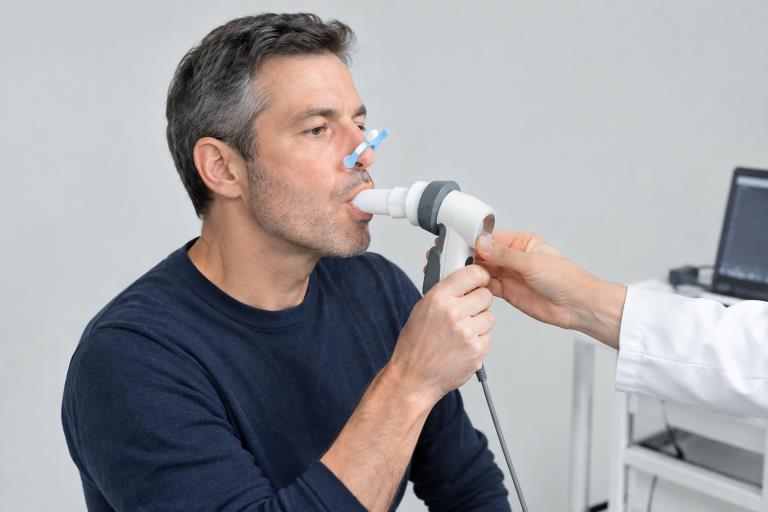
Symptoms alone cannot confirm COPD. A healthcare professional may ask about symptoms, smoking history, workplace exposures, past illnesses, and how breathing affects daily life. Spirometry, a breathing test that measures how much air a person can move and how quickly, is commonly used in evaluation. Depending on the situation, clinicians may also consider oxygen checks, imaging, or other tests. Assessment matters because asthma, infections, heart conditions, and other health problems can cause similar symptoms. Identifying the correct cause supports a more useful treatment plan.
Building A Practical Care Plan
COPD care is individualized and may change over time. A practical plan may include a medication review, inhaler training, support to quit smoking when relevant, discussions about recommended vaccinations, pulmonary rehabilitation, and guidance on activity. It may also include plans for poor air quality, smoke events, extreme temperatures, sleep concerns, nutrition, stress, and emotional well-being.
Ask about having a written flare-up plan that explains which changes should prompt a call, what medicines to use as directed, and when emergency help is needed.
Questions To Ask A Healthcare Professional
- Could these symptoms have more than one possible cause?
- Should I have spirometry or other breathing tests?
- Which symptoms require a same-day call?
- Can you check whether I am using my inhaler correctly?
- Would pulmonary rehabilitation be appropriate for me?
- Which preventive steps fit my personal health history?
- What should my flare-up plan include?
Conclusion
Persistent breathing changes deserve attention, especially when they become more frequent, worsen over time, or begin to interfere with daily activities such as walking, working, sleeping, or exercising. Paying attention to changes in coughing, wheezing, chest discomfort, mucus, or shortness of breath can provide useful information to discuss with a healthcare professional. Tracking symptoms and possible triggers can also help identify patterns that may otherwise be easy to overlook. Reducing known triggers, following professional advice, taking prescribed treatments as directed, and keeping regular medical appointments can support more consistent care. When breathing problems become severe, sudden, or significantly different from usual, seeking urgent medical help is important. These practical steps can support safer, more informed decisions while helping individuals and their healthcare team better understand changes in respiratory health.