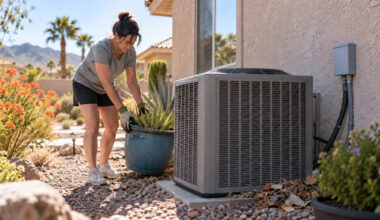
Seasonal weather shifts influence fuel delivery timelines since fluctuating temperatures dictate household consumption patterns and fuel demand. Homeowners may update their refilling schedules by enrolling in an automatic courtesy fill program; this allows them to maintain a consistent supply. Here is more information on how seasonal changes affect propane delivery schedules:
Variable Heating Needs
Fuel consumption can change between hot and cold months. When winter weather arrives, household consumption often increases since families rely on their heating systems to stay warm. This shift creates a spike in regional demand, and it may trigger last-minute winter deliveries. To combat these peaks, homeowners schedule propane delivery before winter begins.
Since warmer seasons reduce heating-related fuel needs, spring and summer can be ideal for organizing deliveries, says State Property Management Davenport. Some properties maintain a steady consumption baseline if they operate non-heating appliances. Items like gas grills, outdoor fireplaces, pool heaters, and gas grills require steady fuel throughout the milder months. If a household only uses fuel for cooking or water heating, its demand is able to remain consistent regardless of changing weather patterns.
Inaccessible Driving Routes
While summer deliveries can feature flexible schedules and wide-open lanes, winter weather creates a logistical challenge. Heavy snow accumulation sometimes hides tank regulators, so homeowners should clear snow and ice from the tank and surrounding area. Delivery trucks require wider clearance to maneuver safely. Snowstorms may prevent delivery vehicles from accessing the system. Sometimes homeowners keep the path surrounding fuel tanks plowed to avoid blockages.
High fuel demand during freezing weather creates tight routing schedules, and accessibility issues cause delivery delays. To prevent sudden shortages during winter storms, homeowners can order a refill when the tank gauge reaches a certain percentage. If a customer enrolls in an automatic courtesy fill program, the supplier tracks propane levels remotely; they schedule fuel delivery once their devices detect specific tank levels.
That kind of automatic service is most useful when it is backed by a team that pay attention to tank levels and system condition rather than relying on homeowners to spot a low gauge themselves. Combined with remote monitoring, this can make refills more proactive and reduce the need for manual scheduling as fuel use changes through the year.
Delayed Tank Installations
Seasonal weather transitions affect the timeline for setting up new systems, since freezing winter temperatures harden the ground. During installations, technicians may encounter frozen ground conditions that prevent them from burying underground gas lines. The arrival of spring and summer helps eliminate frozen ground, and this allows technicians to bury underground lines and complete equipment hookup processes. Installations during summer allow households to transition into the autumn and winter season with an operational system, so they can avoid delays due to inclement weather. Summer installation schedules may also have more flexible appointments, since the days are often longer than during the winter.
Lengthened Connection Procedures
Changing weather patterns that introduce environmental challenges sometimes prolong the process of linking a distribution truck to a storage unit. During winter storms, cold weather may create hazardous working environments for field technicians, making it difficult to connect components. This seasonal shift forces logistics managers to alter their scheduling windows. Fuel delivery windows may become restricted during winter months, making it harder for field teams to maintain high-volume routing schedules. To reduce seasonal delays, make an appointment to have technicians check the system in the spring or summer to verify every component is functioning correctly. Technicians may:
- Check the system line pressure
- Test the appliance ventilation
- Inspect valves
Internal Tank Condensation
Seasonal changes may trigger moisture build-up inside empty propane tanks due to temperature shifts. This process poses risks to the equipment, particularly when idle units are exposed to warmer, humid weather. Internal condensation can cause corrosion, which damages the tank from the inside. To avoid damage, filling the tank with fuel during the summer helps stop condensation. A full tank can keep the metal protected and the system ready for winter while avoiding high-pressure issues.
Learn More About Propane Delivery
Seasonal transitions change how suppliers dispatch delivery trucks based on multi-fuel logistics coordination. Households that use propane heavily may benefit from installing a larger tank. This allows them to avoid frequent refills during colder months; it also helps prevent tanks from getting too low as outside temperatures fluctuate. Scheduling automatic deliveries enables homeowners to avoid manually checking their tank levels and making appointments. When technicians inspect tanks between seasons or handle idle tanks, they conduct a system safety inspection and pressure test to verify line integrity. Contact a reputable propane supplier to learn more about their services.