Almost nothing in a house breaks all at once. The furnace that quits in January had been running rough since October. The stain on the hallway ceiling showed up faint and brown a year before anyone got around to looking at it. By the time a problem is obvious enough to force action, it has usually been busy for a while, points out Winchester Management.
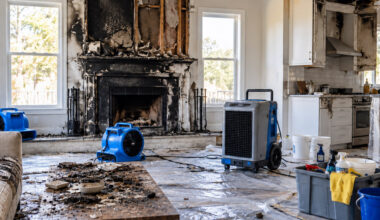
That gap is where the money goes. A repair caught early is a Saturday and a couple hundred dollars. The same problem found two winters later involves a contractor, a dumpster, and a conversation with an insurance adjuster who wants to know how long it had been leaking.
Small Problems Get Expensive on a Schedule
Water is the clearest example of how this works. A loose flashing detail lets in a little water. The sheathing under it stays damp. Damp sheathing softens, insulation packs down and stops insulating, and eventually a rafter or a top plate starts to go. Nothing dramatic happens for a long time. Then a ceiling sags.
The pricing tracks that progression. Resealing flashing is a small job. Replacing a section of decking is a bigger one. Structural repair plus drywall plus paint plus the mold remediation nobody budgeted for is a different category entirely, and it all started with a detail somebody could have handled in an afternoon.
Mechanical systems follow the same curve. A capacitor is cheap. A compressor is not. A water heater with a rusting fitting can be dealt with on a weekday. A water heater that lets go at 2 a.m. involves flooring, baseboard, and whatever was stored on the floor nearby.
Twice a Year Is Usually Enough
None of this requires a clipboard and a formal checklist. Two walks around the property a year, one in spring and one in fall, catch most of what matters.
Spring is for finding what winter did. Ice, wind, and freeze cycles are hard on a house, and the damage tends to be visible once the weather breaks. Fall is for making sure things are ready before the cold arrives, back when a repair can still be scheduled instead of begged for.
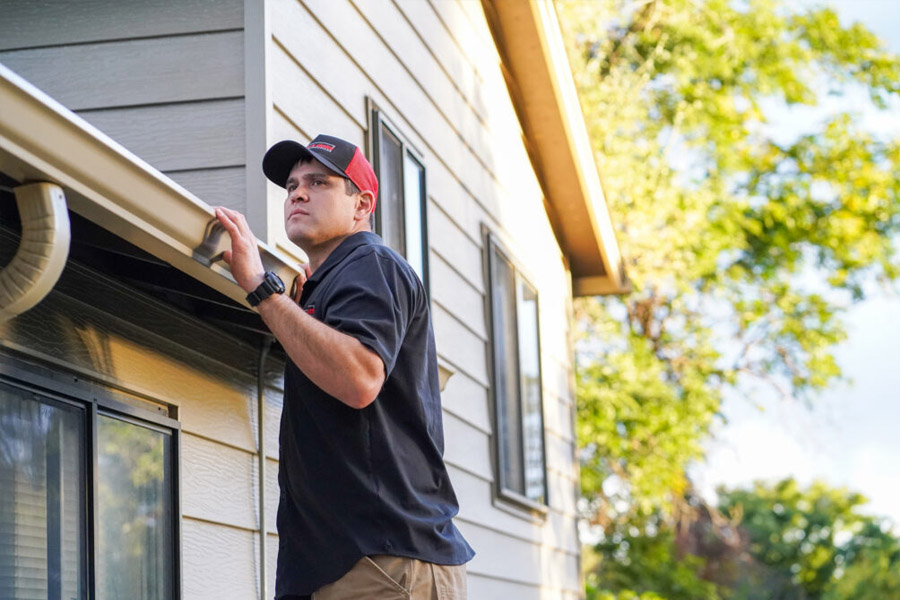
Start outside and look up. Missing or lifted shingles, granules collecting in the gutters, a ridge line that dips, flashing that has pulled away around a chimney or a vent pipe. Then look at where water is supposed to go. Gutters full of maple seeds do not drain, and downspouts that dump next to the foundation are one of the most common causes of a wet basement.
Grade matters too. Soil should fall away from the house, not toward it, and it settles over the years without anybody noticing. A few inches of regrading is cheap compared to a foundation drainage system.
Inside, the tour is short. Look under every sink for a stain or a soft cabinet bottom. Check the base of the water heater. Look at the ceilings on the top floor, ideally in daylight. Run a hand along window sills for soft spots. Take a look in the attic once a year for daylight, damp insulation, or the dark trails that mean condensation.
Know Where the Line Is
Walking a roof is dangerous, and inexperienced foot traffic breaks shingles. Reading a roof and its problems takes practice too. That’s why many rely on local roof repair contractors because they’ve seen a hundred roofs and can spot issues easily. They notice a nail pop, a failing pipe boot, or a valley starting to wear. Most professionals will also give an honest read on how many years are left, which is worth knowing long before a leak forces the decision.
The same logic applies before any major work starts, not just repairs. If you’re planning a full replacement or a larger job rather than a patch-up, it’s worth getting a proper assessment first rather than guessing at scope. Homeowners looking into roofing services sydney or other locations, will typically get a clearer picture of material options and total cost upfront, which makes it easier to budget before committing to anything.
Write It Down
The part people skip is keeping a record, and it turns out to matter more than expected.
A simple note works. Date, what got looked at, what got fixed, what seemed slightly off. Two years later, that note is what turns “the ceiling has a stain” into “the stain has grown four inches since last spring,” which is a completely different conversation with a contractor. It also comes in handy when a warranty claim depends on proving something was maintained, or when selling and a buyer’s inspector raises a question that a folder of receipts answers immediately.
Photos help even more. A picture of the same roof plane taken every spring shows wear that is impossible to see from one year to the next.
What This Actually Buys
Nobody enjoys this. Walking a property twice a year looking for problems is not how most people want to spend a Saturday, and the reward for doing it well is that nothing happens, which is a hard thing to feel good about.
The payoff is real anyway. Repairs get scheduled instead of emergencies getting endured. Prices come from a contractor who has time to quote properly rather than one squeezing in an after-hours call. Systems reach the end of their expected life instead of failing early because a small thing went unattended.
Houses are patient. They will tolerate a surprising amount of neglect and give plenty of warning first, usually in the form of something minor and easy to ignore. Paying attention twice a year is mostly a matter of noticing those warnings while they are still cheap.



Plenty of this is a homeowner job. Clearing gutters, watching the grade, replacing furnace filters, checking under sinks. Some of it is not, and the roof is the clearest case.