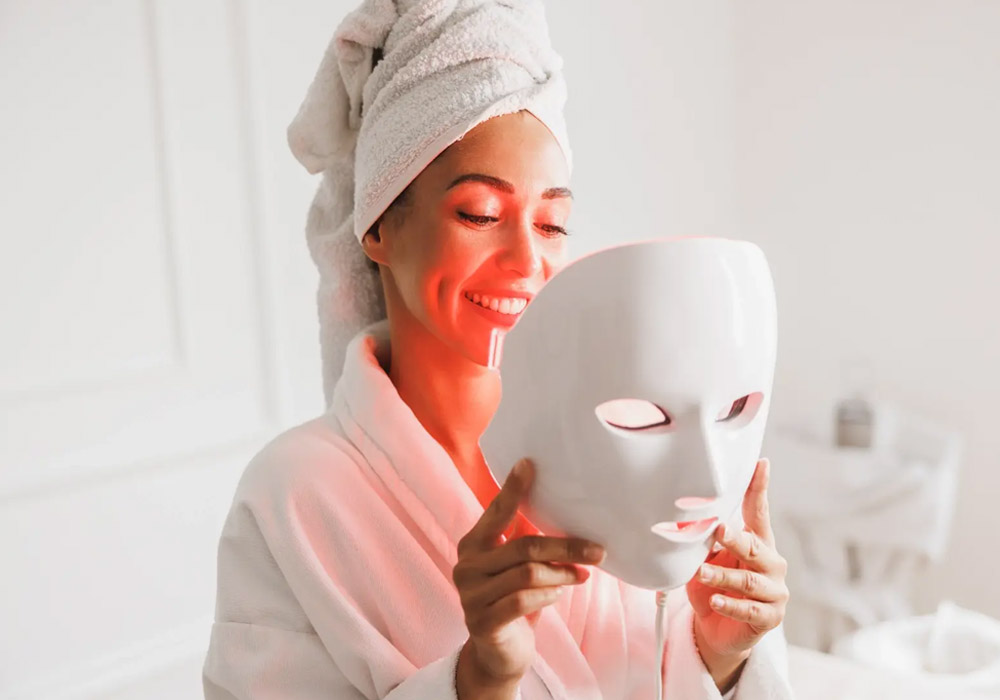
Red light therapy, also known as photobiomodulation, has gained widespread attention in modern physical medicine and aesthetic care. By delivering non-invasive light waves deep into the body, this treatment triggers fundamental biological processes that accelerate recovery, improve skin elasticity, and promote tissue repair. Understanding how targeted light energy interacts with human cells reveals why this therapy has become a cornerstone of regenerative care.
Cellular Mechanisms Behind Light Absorption
At the core of photobiomodulation is the interaction between specific light wavelengths and cellular structures. Human cells absorb light energy in ways similar to how plant cells absorb sunlight during photosynthesis.
Mitochondria and ATP Production
Red light wavelengths, typically ranging between 600 and 900 nanometers, penetrate skin layers to reach the mitochondria within cells. Mitochondria function as the cellular powerhouses responsible for generating adenosine triphosphate, the primary chemical energy currency of the body. Light absorption stimulates an enzyme called cytochrome c oxidase, releasing nitric oxide and enhancing oxygen consumption. This process leads to a significant increase in energy synthesis, giving damaged cells the vital fuel required to repair structural damage rapidly.
Oxidative Stress and Cellular Repair
Inflammation and tissue damage generate excessive reactive oxygen species, leading to cellular oxidative stress that slows down recovery. Exposure to red and near-infrared light neutralizes these harmful compounds, lowering systemic inflammation and creating a stable environment for new cell growth. Reduced cellular stress allows tissues to shift resources from defense mechanisms toward active regeneration.
Collagen Synthesis and Structural Skin Health
Collagen is the primary structural protein in connective tissues, skin, tendons, and ligaments. As the body ages or suffers physical trauma, collagen production naturally declines, leading to reduced skin firmness and slower wound recovery.
Fibroblast Activation and Structural Proteins
Specialized cells known as fibroblasts are responsible for producing collagen, elastin, and extracellular matrix proteins. Red light waves energize these fibroblast cells, causing them to proliferate and increase protein production. The resulting surge in newly formed collagen fibers fills structural gaps in skin and soft tissues, improving skin density, reducing fine wrinkles, and restoring elasticity.
Accelerated Wound Recovery and Scar Reduction
In injured skin or muscle tissue, elevated collagen production organizes matrix fibers into cohesive structural networks. Faster fibroblast activity shortens the initial inflammatory phase of wound healing, allowing tissue remodeling to begin sooner. Controlled collagen deposition minimizes disorganized scar formation, resulting in smoother texture and stronger tissue integrity at injury sites.
Microcirculation and Deep Tissue Recovery
Beyond direct cellular activation, photobiomodulation significantly alters localized fluid circulation, delivering vital nutrients to damaged sites while clearing metabolic waste products.
Nitric Oxide Release and Vasodilation
Light absorption triggers the release of nitric oxide bound within cellular storage sites. Once released, nitric oxide acts as a potent vasodilator, widening local blood vessels and increasing microvascular circulation. Enhanced blood flow carries elevated levels of oxygen, amino acids, and growth factors directly to oxygen-deprived tissues, while simultaneously flushing out lactic acid and inflammatory debris.
Metabolic Support and Body Contouring
Improved circulation and energized cellular metabolism extend benefits beyond localized joint or skin repair. Increased mitochondrial activity temporarily alters fat cell membrane permeability, encouraging lipids to leak out into the lymphatic system where they are processed naturally. Individuals seeking broader body composition management often explore red light therapy for weight loss in Pleasant Grove as an adjunct service to stimulate metabolic activity, enhance lymphatic drainage, and complement structured fitness habits.
Incorporating Photobiomodulation into Routine Care
Photobiomodulation offers a versatile, non-invasive option for individuals seeking to enhance physical recovery, support structural skin integrity, and reduce chronic joint inflammation. Consistent applications allow cells to maintain high energy output, reinforcing long-term biological repair mechanisms. Combining regular light therapy with proper hydration, nutrient-dense eating, and appropriate physical movement provides a comprehensive strategy for lasting physical resilience.