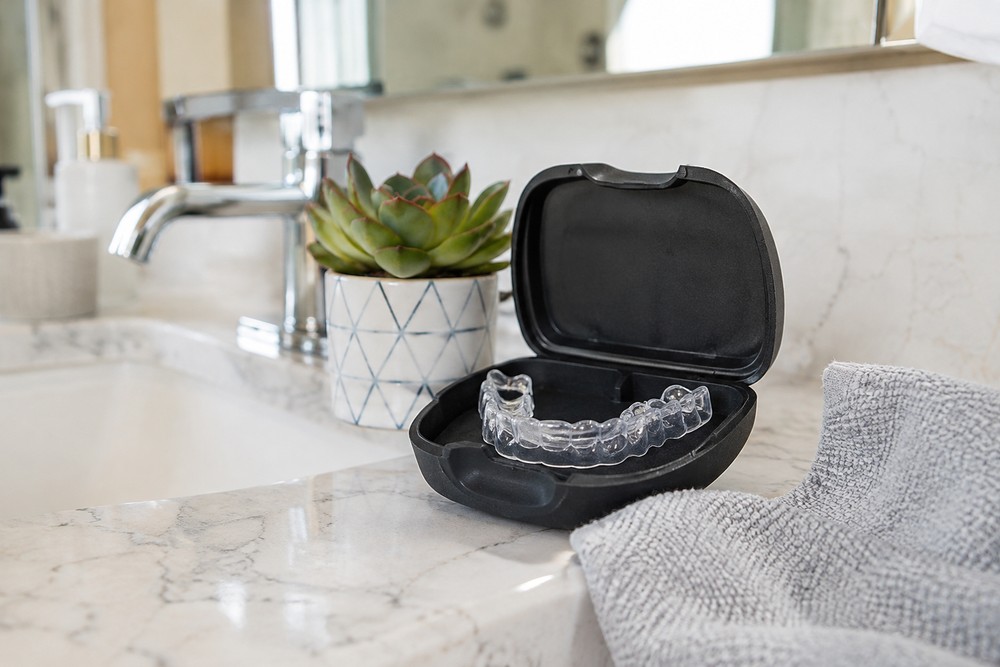
You packed the charger, the passport, the medication, then your retainer cracked in a hotel bathroom sink or disappeared in a napkin at dinner. That kind of small disaster can feel much bigger when you are away from home, especially if your teeth have already started to shift before. A broken retainer during a trip is stressful because the clock seems to start right away, and contacting an orthodontist in Tuckahoe, Eastchester, NY can help you decide what to do next. You want to protect your smile, avoid pain, and figure out whether this is a true emergency or just an annoying setback.
Most of the time, an orthodontist can help you manage the problem safely until you get proper care. The right move depends on what actually broke, how your teeth feel, and whether the retainer still fits without force. If it is cracked, bent, lost, or suddenly painful, the goal is simple. Prevent more damage, avoid home fixes that make things worse, and get guidance from an orthodontist as soon as you can.
Broken retainers create real problems when you are far from home
A retainer is not just a piece of plastic or wire. It holds the result of months or years of treatment in place. If it breaks on day one of a two week trip, you may worry that every day without it means your teeth are moving. That fear is not irrational. Teeth can relapse, and retention matters long after braces or aligners come off. Research on orthodontic retention and relapse shows that holding tooth position over time is a real part of treatment, not an afterthought. You can read more in this review of orthodontic retention and relapse.
The details matter. A clear retainer with a hairline crack may still sit passively for a short time if it is not sharp and does not require pressure to insert. A Hawley retainer with a bent wire is different. A fixed retainer bonded behind the teeth is different again, because a loose wire can irritate tissue and may even trap food in ways that increase the risk of decay or gum inflammation.
You may also be dealing with swelling, a sore spot, or a cut inside the mouth. Minor oral injuries often heal quickly, but sharp plastic or wire can keep reopening the same area. MedlinePlus offers a helpful overview of mouth injuries and when to seek care, which is useful if the broken retainer has caused bleeding or a painful ulcer.
The worst move is forcing a damaged retainer back into place. If it feels tight, warped, or painful, stop. That pressure can move teeth in the wrong way or crack the appliance further. The same goes for trying to trim plastic with scissors or bending wires with household tools in a hotel room mirror. It feels practical in the moment, but it often turns a manageable issue into one that needs a full replacement.
Orthodontists manage broken retainers during travel by triaging the risk first
How orthodontists manage broken retainers during travel usually starts with a few fast questions. Is the retainer removable or fixed. Is it cracked, lost, or bent. Does it still fit passively. Is anything sharp. Are you in pain. Those answers decide whether you need same day help, a temporary fix, or simple monitoring until you return home.
If the retainer is removable and damaged, many orthodontists will tell you not to wear it unless it fits comfortably and exactly as before. If it is lost, they may advise you to watch closely for signs of shifting and schedule an appointment as soon as you return, or sooner if the trip is long. If the fixed wire behind your teeth has come loose on one side, orthodontists often recommend covering the irritating area with orthodontic wax and arranging local care if it is poking, painful, or fully detached.
The American Dental Association has guidance on emergency dental treatment that can help you judge urgency when you are away from your regular office. A broken retainer is not always a true emergency, but pain, swelling, trauma, or a loose appliance that could be swallowed moves it into a more urgent category.
Travel retainer repair is often less about fixing the appliance on the spot and more about protecting your teeth until a proper repair or replacement happens. That may mean storing the retainer safely, using wax on sharp spots, eating softer foods if a fixed retainer is loose, and sending photos to your orthodontist for advice.
DIY fixes and professional care do not carry the same risk
| Situation | DIY Response | Professional Guidance | Risk Level |
|---|---|---|---|
| Clear retainer has a small crack but no pain | Do not trim or glue it. Wear only if it fits exactly and your orthodontist approves. | Send photos and ask if short term wear is safe until replacement. | Moderate |
| Retainer feels tight after breaking | Do not force it in. | Stop wearing it and contact an orthodontist. | High |
| Fixed retainer wire is loose and poking | Use orthodontic wax to cover the sharp area. | Arrange local dental or orthodontic care if pain continues. | High |
| Retainer is lost during a short trip | Store any case or older backup retainer if you have one. Do not use an old appliance unless told to. | Book replacement promptly, especially if your teeth have shifted before. | Moderate |
| Broken appliance caused a mouth cut | Rinse gently with salt water and avoid irritation. | Seek care if bleeding does not stop, pain worsens, or swelling develops. | Moderate to High |
Retainer damage while traveling becomes more serious when the trip is long, the appliance is already old, or your teeth are prone to moving quickly. Orthodontist care matters because fit is everything. A repair that seems minor can still create uneven pressure. General orthodontist support, even by phone or photo review, often prevents that kind of avoidable mistake.
Three steps help you protect your teeth right away
- Stop and assess the fit. If the retainer is cracked, bent, or suddenly tight, do not force it into place. If it is sharp, take it out. If it is a fixed retainer and only part is loose, avoid tugging on it.
- Contact your orthodontist with photos. Send clear pictures of the retainer and, if possible, how it sits in your mouth. Include when it broke, whether it hurts, and how long you will be away. That gives the office enough detail to tell you whether to wear it, stop wearing it, or find local care.
- Use safe temporary measures only. Store removable retainers in a case, not wrapped in tissue. Use orthodontic wax on irritating wires. Choose softer foods if a fixed retainer is loose. Skip glue, nail clippers, pliers, or online hacks.
Quick action keeps a broken retainer from becoming a bigger setback
A broken retainer during travel can feel like one more thing going wrong at the worst time, but it is usually manageable when you act early and avoid risky shortcuts. Protect the appliance if you still have it, protect your mouth if something is sharp, and get advice before you try to make it work on your own. Fast guidance from an orthodontist often makes the difference between a simple replacement and unwanted tooth movement.
If your retainer breaks while you are away, contact an orthodontist as soon as you can and follow the instructions you are given for temporary care and follow up.