Key Takeaways
- Long-lasting asphalt starts below the surface with grading, drainage, and a stable base.
- Early crack repair and drainage corrections can prevent larger structural problems.
- Traffic, weather, and property use should guide the scope of every pavement project.
- Detailed estimates make it easier to compare value, materials, scheduling, and expected results.
- A lifecycle budget helps owners plan for maintenance before costly replacement becomes necessary.
Asphalt is more than a finished surface for driving and parking. It supports daily access for residents, customers, deliveries, employees, and emergency vehicles. Whether a property includes a residential driveway, apartment lot, retail center, or private road, careful planning helps protect that access while reducing safety concerns and avoidable repair costs. Property owners seeking on-site paving estimates Granger, IN, can get more useful project conversations by first understanding the condition and needs of their pavement. In 2026, a strong asphalt plan should look beyond the visible surface. Water flow, soil support, vehicle weight, freeze-thaw cycles, aging materials, and future property changes all affect pavement performance. Addressing these factors early can reduce disruption, help prioritize spending, and create a more durable result.
Why Asphalt Planning Matters in 2026
Pavement should be treated as a long-term property investment rather than a one-time upgrade. A smooth new surface can look impressive, but it may fail early if it is installed over weak base material or if runoff continues to collect in the same low areas. Planning allows owners to identify the actual cause of damage before choosing a repair method. Good planning also helps properties stay functional during construction. Owners can schedule work during slower business periods, notify tenants in advance, establish alternate parking areas, and phase a large project so that part of the site remains accessible. For broader information on pavement performance, preservation, and technology, the Federal Highway Administration’s pavement resources offer useful background for performance-focused planning.
Start With a Detailed Property Inspection
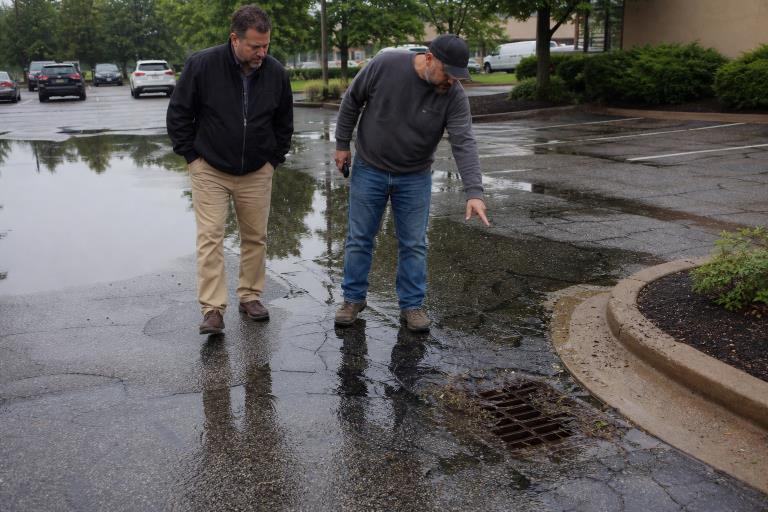
Before requesting estimates, walk the property and document pavement conditions. Inspect driveways, parking areas, private lanes, sidewalks, curb lines, loading areas, and drainage points. Photos taken after rain can be especially helpful because they show where water collects and how runoff travels.
What to Look For
- Long, widening, or interconnected cracks
- Alligator cracking that resembles a web or reptile skin
- Potholes, loose asphalt, and crumbling edges
- Uneven settlement, soft spots, and tire depressions
- Standing water near entrances, curbs, drains, or building walls
- Faded parking lines, crosswalks, and other safety markings
- Blocked drains, gutters, culverts, or downspout outlets
When to Schedule an Inspection
- After winter freeze-thaw cycles.
- Following major storms or prolonged heavy rain.
- Before buying, selling, or leasing a property.
- Before preparing an annual repair and maintenance budget.
- Before adding heavier vehicles, delivery traffic, or parking spaces.
Fix Drainage Before Surface Damage Gets Worse
Water is one of asphalt’s most persistent threats. It can enter cracks, weaken the base beneath the pavement, and create conditions for potholes, settlement, and edge failure. During cold weather, trapped water can freeze and expand, worsening existing openings. Ask practical drainage questions before approving surface work: Does water flow away from buildings? Are low spots visible after storms? Do downspouts empty near paved areas? Have landscaping changes redirected runoff? Are drains clear and operating properly? Surface repairs may not last if the water source remains unresolved.
Choose the Right Pavement Solution
The right repair depends on the condition beneath the surface, not just on appearance. A pavement professional should evaluate whether the base remains stable and whether damage is isolated or widespread.
- Crack filling:Best for isolated cracks before water reaches the base.
- Pothole repair:Useful for limited damaged areas that can be cut out and repaired properly.
- Surface treatment:Can protect structurally sound pavement that is oxidized or showing surface aging.
- Resurfacing:May be appropriate when the base is stable, but the upper asphalt layer is worn.
- Full replacement:Often necessary when there is broad alligator cracking, major settlement, drainage failure, or weak underlying support.
Plan for Traffic, Weather, and Property Use
A small household driveway does not need the same design as a retail lot, apartment complex, loading area, or private access road. Review the types of vehicles using the pavement, daily traffic volume, delivery schedules, snowplow activity, sun exposure, shade, tree roots, and expected changes in property use. Also consider people on foot. Pedestrian routes should be clear, smooth, and easy to identify. Accessible parking spaces, access aisles, crosswalks, curbs, wheel stops, lighting, and signs all contribute to a safer finished project. Review local requirements before changing parking layouts, entrances, or accessible routes.
Build a Maintenance Schedule
Maintenance is most effective when it is planned rather than delayed until pavement failure becomes obvious. A simple schedule can help owners catch problems before repairs become more costly.
- Monthly:Remove debris, inspect drains, and watch for new hazards.
- Seasonally:Check cracks, potholes, edges, markings, and areas affected by snow removal.
- After major storms:Look for ponding water, washouts, blocked drainage, and loose material.
- Every few years:Review whether surface protection and restriping are appropriate.
- Annually:Update the budget and rank work by safety risk, urgency, and long-term value.
Compare Asphalt Project Estimates Carefully
The lowest estimate is not always the best value. A useful proposal should explain the source of damage, preparation steps, base repairs, drainage work, materials, asphalt thickness, traffic control, cleanup, warranty terms, and expected project timeline.
Questions to Ask Before Approval
- What caused the current pavement damage?
- Will the existing base be repaired or replaced where needed?
- How will water drain from the completed surface?
- What materials and thicknesses are included?
- How will vehicles and pedestrians access the property during work?
- What weather conditions could affect the schedule?
- When can traffic safely return to the completed area?
- What maintenance should follow the project?
Use a Lifecycle Budget Instead of a One-Time Budget
A lifecycle budget includes installation, inspections, routine maintenance, repairs, resurfacing, and eventual replacement. This approach prevents owners from focusing all available funds on construction while overlooking the care needed to preserve that investment. Public agencies often use preservation planning to extend pavement service life. One 2026 pavement preservation example from the City of Faribault connects timely preservation with reduced future repair needs, citing industry studies that estimate meaningful savings when maintenance begins before major deterioration occurs.
Common Questions Property Owners Ask
How Often Should Asphalt Be Inspected?
Inspect pavement at least twice each year and after severe weather. Properties with heavy traffic, frequent deliveries, or known drainage issues may need more frequent reviews.
Can Sealcoating Fix Potholes?
No. Surface treatments can help protect sound pavement, but they do not repair potholes, base failure, or significant settlement.
When Is Resurfacing Better Than Patching?
Resurfacing may make sense when the surface is broadly worn, but the underlying base remains stable. Widespread structural damage usually calls for deeper repair or reconstruction.
Conclusion
Safer, longer-lasting asphalt begins with inspection, drainage control, realistic planning, and regular maintenance. By correcting small problems early and selecting repairs that match actual site conditions, property owners can protect access, reduce disruptions, and make future pavement budgets work harder. Routine monitoring helps identify cracks, potholes, drainage issues, and surface wear before they develop into more expensive structural damage. Preventive maintenance also improves safety for drivers, pedestrians, and service vehicles while extending the useful life of driveways, parking lots, and roadways. A proactive approach, supported by timely repairs and proper water management, can reduce unexpected maintenance costs, preserve pavement performance, and keep paved surfaces more reliable throughout changing weather conditions and daily traffic demands.