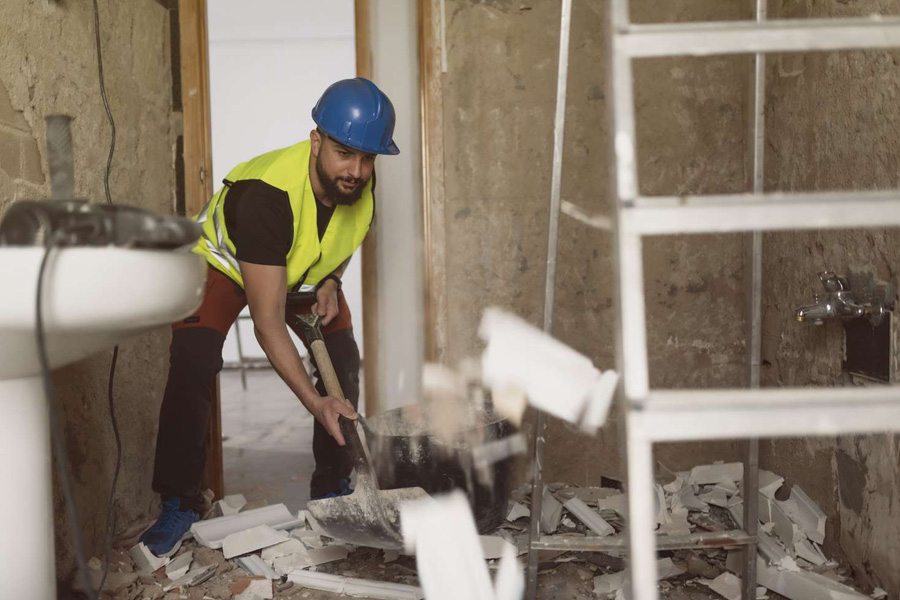
Interior removal creates more than an empty room ready for renovation. Cabinets, flooring, wall finishes, fixtures, trim, and other materials can quickly produce substantial debris within a relatively small work area. Managing those materials throughout the project helps keep pathways usable and the removal process organized.
Debris planning begins before the first component comes out. Crews need to consider what materials are being removed, where they will temporarily go, and how they can travel from the work area to an appropriate collection point. These decisions are especially relevant during Light Demolition because removal often takes place inside an otherwise standing property.
Dump Brothers Demolition can incorporate debris handling into the overall removal plan instead of treating cleanup as a separate task saved for the end. An organized approach keeps discarded material moving away from active work areas as the project progresses. It also creates a clearer transition when the space is eventually handed to renovation professionals.
Debris Planning Should Begin Before Removal Starts
Every interior project has a different path between the work zone and the exterior. A ground-floor room near an exterior door presents different conditions from an upstairs space reached through hallways and stairs.
Crews can identify practical material routes before demolition begins. Door widths, stairways, finished rooms, tight corners, and exterior collection locations can all influence how debris should move through the property.
Planning these routes early prevents removed material from being carried through areas without a clear destination. It also helps determine where temporary collection can occur without blocking ongoing work.
Different Materials Create Different Handling Challenges
Interior demolition can produce materials with very different shapes, weights, and characteristics. Long trim pieces behave differently from broken tile, while cabinetry occupies substantially more space than small fragments of drywall.
Treating every removed component as identical can make collection areas disorganized quickly. Material type can influence how pieces are carried, contained, stacked, or otherwise prepared for removal from the property.
Dump Brothers Demolition can account for the materials expected within the defined project scope. Knowing what is likely to come out helps crews anticipate handling needs before debris begins accumulating.
Active Work Areas Need Usable Floor Space
A room becomes harder to work in when removed materials cover the available floor. Tools need appropriate working space, and workers need clear routes for moving between sections of the project.
Regular debris removal helps prevent the active zone from becoming unnecessarily crowded. Instead of creating one large pile that must eventually be addressed, materials can move out in manageable stages as removal advances.
This approach is particularly useful in smaller rooms. Limited floor space makes even a moderate amount of discarded material more noticeable and potentially disruptive to the workflow.
Interior Routes Require Careful Consideration
Debris frequently has to travel through portions of a property that are not being demolished. Hallways, doorways, stairs, and neighboring rooms may connect the active area with an exterior exit.
Keep Necessary Pathways Available
Routes should remain sufficiently open for the planned movement of workers and materials. Storing discarded components in a hallway may seem convenient temporarily, but it can interfere with repeated trips through the property.
Watch Tight Turns and Door Openings
Large pieces may be difficult to maneuver through narrow interior spaces. Considering the removal route before carrying bulky materials can reduce unnecessary handling and prevent avoidable complications.
A practical route makes repeated debris movement more predictable throughout the project.
Temporary Collection Areas Need a Clear Purpose
Not every piece of debris necessarily travels outside immediately after removal. A temporary collection point may be useful when several components are being taken out within the same area.
The location should support the workflow rather than compete with it. Placing debris directly beside the next section scheduled for removal simply creates another obstacle that must be moved again.
Light Demolition benefits from temporary collection areas that remain controlled and limited. The objective is to consolidate material briefly when useful, not allow temporary storage to become a growing obstruction.
Material Separation Can Improve Site Organization
A mixed pile of large components, loose fragments, packaging, and other discarded material can become difficult to manage. Keeping certain materials grouped can make the work area easier to understand and maintain.
Separation requirements depend on the project, material types, disposal arrangements, and applicable local requirements. Crews can establish an appropriate handling approach based on what the job actually produces rather than using one method for every project.
Organization also helps distinguish debris from items intended to remain. This distinction becomes particularly valuable when removal happens near stored materials, reusable components, or preserved areas.
Debris Should Move With the Project
Cleanup does not need to wait until all demolition activities are complete. Material removal can occur throughout the work as individual sections are cleared.
For example, finishing removal in one defined area provides an opportunity to move accumulated debris before beginning another section. This creates more usable space and makes progress easier to see.
Dump Brothers Demolition can integrate this ongoing cleanup into the work sequence. Connecting debris movement with demolition stages reduces the amount of material that needs to be handled during one large final cleanup.
Stairs Add Another Layer to Debris Movement
Upper-floor projects require materials to travel vertically before reaching an exterior collection area. Stairs introduce turns, limited width, railings, landings, and other conditions that may affect how pieces can be moved.
Bulky components may require a different handling approach from smaller contained debris. Crews need enough room to maneuver materials without allowing temporary piles to restrict the staircase.
Planning becomes particularly important when occupants or other workers also need access elsewhere in the property. Project boundaries and access expectations should be established before removal begins.
Exterior Collection Locations Affect Interior Workflow
The debris route does not end at the exterior door. Removed materials still need an appropriate destination where they can be collected for eventual transport from the property.
Driveway availability, gates, landscaping, neighboring features, and street conditions can influence where collection is practical. The selected location should connect logically with the interior route whenever site conditions allow.
A poorly positioned collection point can add unnecessary travel to every load leaving the building. Considering interior and exterior movement together creates a more coherent material-handling plan.
Final Cleanup Is More Than Removing the Largest Pieces
Once the primary demolition work is finished, obvious debris may already have left the space. Smaller fragments and residual material can still remain around corners, along edges, or within areas where components were removed.
Final cleanup allows the work zone to be reviewed after the larger material is gone. The required condition should correspond with the agreed demolition scope and the needs of the next project phase.
Light Demolition is usually preparation for another activity rather than the finished improvement itself. Leaving the area organized helps renovation professionals understand what has been removed and begin their work from a clearer starting point.
Organized Debris Handling Supports the Next Phase
Interior demolition produces debris continuously, so material management works best as an ongoing part of the project. Defined routes, controlled collection areas, appropriate separation, and regular removal help prevent discarded materials from overwhelming limited interior space.
A thoughtful process also considers what happens beyond the immediate room. Hallways, stairs, exterior exits, driveways, and final collection locations can all influence how efficiently material travels away from the work zone.
Effective cleanup is ultimately connected to what happens after demolition. When debris moves with the project instead of accumulating until the end, the cleared interior can transition more smoothly from removal work to the renovation or construction activities that follow.