Slip and trip hazards represent significant risks in both commercial and residential environments, potentially leading to injuries and costly liabilities. Addressing these hazards effectively is crucial for ensuring workplace safety and public wellbeing. Companies like Safety Xpress specialise in providing comprehensive anti-slip flooring solutions that aid in the proactive management of these risks.
Understanding Slip and Trip Hazards
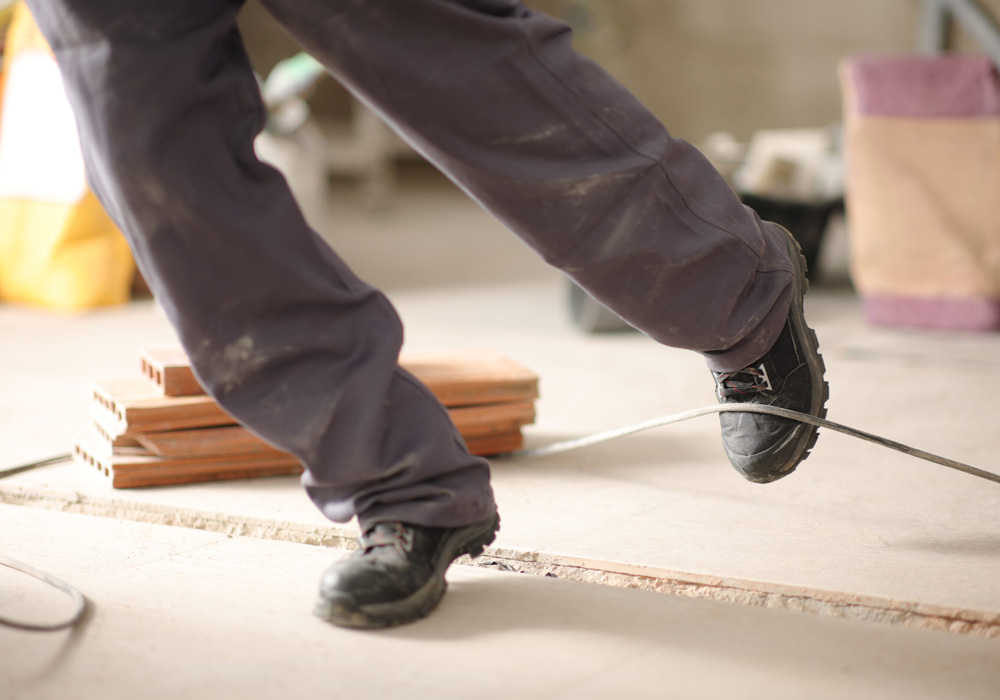
Slip hazards occur when there is insufficient friction between a person’s footwear and the walking surface, often caused by wet, greasy, or worn-flooring materials. Trip hazards, on the other hand, arise from irregularities on walking surfaces such as uneven flooring, loose mats, or stray cables. Both types of hazards can result in falls, which are a leading cause of workplace injuries worldwide.
The Importance of Anti-Slip Flooring Solutions
Implementing anti-slip flooring is a fundamental strategy in reducing the likelihood of slips and trips. These solutions increase surface friction, providing a safer environment for pedestrians. Selecting the correct anti-slip product depends on various factors including the type of flooring, the environment, and expected foot traffic.
Types of Anti-Slip Flooring Products
Anti-slip products are available in numerous forms, each tailored to different surface types and hazards. Common solutions include anti-slip tapes, coatings, and mats designed to improve traction. Safety Xpress offers a wide range of products suitable for use in industrial, commercial, and domestic settings, ensuring optimal safety tailored to specific needs.
Anti-Slip Coatings
These coatings can be applied to existing floors to create a textured finish that resists slipping. They are ideal for high-traffic areas prone to moisture.
Anti-Slip Tapes and Strips
These are effective for highlighting hazardous zones such as stair edges and ramps, providing visual cues as well as physical traction enhancements.
Non-Slip Mats
Portable anti-slip mats offer rapid deployment and versatility in areas requiring temporary or additional safety provisions.
Additional Safety Features: Handrails and Tactile Indicators
Supplementary safety equipment such as handrails and tactile indicators further support hazard reduction strategies. Safety Xpress also provides the option to buy ezyrail modular handrail system, which can be installed in conjunction with anti-slip flooring to enhance stability and support for users, especially on ramps and stairs.
Tactile indicators play a vital role in guiding visually impaired individuals safely through spaces. These durable, textured ground surface indicators alert pedestrians to changes in path or potential hazards. Businesses can source quality tactile indicators to comply with accessibility standards and improve overall site safety.
Installation and Maintenance Best Practices
Correct installation of anti-slip materials is essential for their effectiveness. It must be performed by experienced professionals who understand surface preparation and application techniques. Regular maintenance, including cleaning and inspection, ensures that anti-slip properties remain intact and that surfaces do not become compromised by wear or debris accumulation.
Workplace Safety Compliance and Benefits
Adhering to occupational health and safety regulations by implementing anti-slip flooring solutions reduces the risk of accidents and associated legal repercussions. This approach also fosters a safer working environment, contributing to higher employee morale and productivity.
Conclusion
Proactively mitigating slip and trip hazards through the use of specialised anti-slip flooring solutions and complementary safety products is essential for risk management in any facility. Engaging with specialists such as Safety Xpress ensures access to high-quality materials and expert guidance tailored to specific safety needs. By investing in these preventative measures, organisations protect their workforce and visitors while complying with safety regulations and promoting a culture of safety.