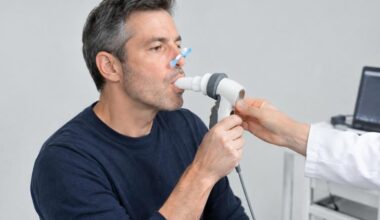
Physical therapy is a critical component of healthcare that aims to improve mobility, relieve pain, and enhance overall quality of life for individuals recovering from injuries or managing chronic conditions. The cost of physical therapy schooling is a common concern for many individuals who want to provide these services, in part because a doctorate of physical therapy program is an extensive commitment.
Understanding the expenses associated with physical therapy programs can help individuals make informed decisions about their healthcare needs. This article explores the factors that influence the cost of a physical therapy degree and ways to make these programs more affordable.
What Is Physical Therapy?
Physical therapy is a specialized healthcare profession that focuses on assessing, diagnosing, and treating musculoskeletal and movement-related impairments. Physical therapists, licensed healthcare professionals with advanced training, work with patients to develop personalized treatment plans aimed at restoring function, improving mobility, and alleviating pain.
The primary goal of physical therapy is to help individuals regain independence and achieve optimal physical functioning following an injury, surgery, or illness. Physical therapists employ a variety of techniques, including exercises, manual therapy, modalities such as heat or ultrasound, and education to promote healing, prevent disability, and enhance overall well-being.
Which Factors Influence the Cost of Physical Therapy Degrees?
The cost of physical therapy schooling can vary significantly based on several key factors. Understanding these influences is crucial for individuals considering a career as a PT:
Type of Institution
One of the biggest factors influencing the cost of a physical therapy degree is the type of institution offering the program. Public universities typically offer lower tuition rates for in-state residents because they receive state funding. However, out-of-state students at public institutions often pay significantly higher tuition.
Private universities generally have the highest tuition costs, though they sometimes offer larger scholarship opportunities that can offset costs. The school’s financial structure, including public funding or private endowments, also plays a major role in determining the total cost of earning a physical therapy degree.
Program Level and Length
The level and duration of the physical therapy program also significantly affect total costs. Most practicing physical therapists must complete a Doctor of Physical Therapy (DPT) program, which typically takes about three years after completing a bachelor’s degree.
Because of the extended timeline and advanced coursework, doctoral programs are more expensive than undergraduate or shorter graduate programs. In addition to tuition, students must account for the cumulative costs of living expenses and academic materials throughout the program.
Geographic Location
The location of a physical therapy program can strongly influence the overall cost of education. Universities located in major metropolitan areas or regions with a high cost of living often require students to budget more for housing, transportation, and daily expenses.
Even if tuition rates are comparable across schools, the cost of living in the surrounding area can significantly affect the total financial commitment required to complete the program.
Ways To Afford a Physical Therapy Degree
Affording physical therapy schooling can be a concern for individuals pursuing a career as a PT. Fortunately, there are several ways to make physical therapy programs more financially accessible:
Scholarships and Grants
Scholarships and grants are among the most effective ways to reduce the cost of a physical therapy degree because they typically do not need to be repaid.
Many universities, professional organizations, and healthcare foundations offer financial awards specifically for students pursuing physical therapy education. These opportunities may be based on academic achievement, financial need, leadership, or commitment to working in underserved communities.
Federal and Private Student Loans
Student loans are a common way for many students to finance their physical therapy education. Federal student loans often offer lower interest rates, flexible repayment options, and borrower protections than private loans. Graduate students enrolled in Doctor of Physical Therapy programs may qualify for federal Direct Unsubsidized Loans or Graduate PLUS Loans to help cover tuition and living expenses.
Work-Study and Part-Time Employment
Some physical therapy students help offset educational costs by working part-time while completing their degree. Federal work-study programs provide part-time job opportunities that allow students to earn money for educational expenses while gaining valuable professional experience.
In addition, some students work as rehabilitation aides, research assistants, or teaching assistants within their academic programs. These roles can provide both financial support and hands-on exposure to the healthcare field.
Employer Tuition Assistance
Certain healthcare employers offer tuition assistance or reimbursement programs for employees pursuing advanced education in physical therapy or related healthcare fields. Students who already work in healthcare settings, such as hospitals or rehabilitation centers, may be able to receive financial support from their employer in exchange for a commitment to continue working with the organization after graduation.
Loan Forgiveness Programs
Loan forgiveness programs can reduce the long-term financial burden of student loan debt for physical therapy graduates. Some federal programs offer loan forgiveness to healthcare professionals who work in nonprofit organizations or government settings for a certain number of years. Additionally, state or regional programs may offer loan-repayment assistance to physical therapists working in rural or underserved communities.
Investing in a Physical Therapy Degree for a Lifelong Career
While the cost of physical therapy programs may present a financial challenge for some individuals, the benefits of these degrees far outweigh the expenses. By exploring pathways such as loans, scholarships, and more, individuals can make a physical therapy degree more affordable and accessible to anyone interested in this invigorating career path.