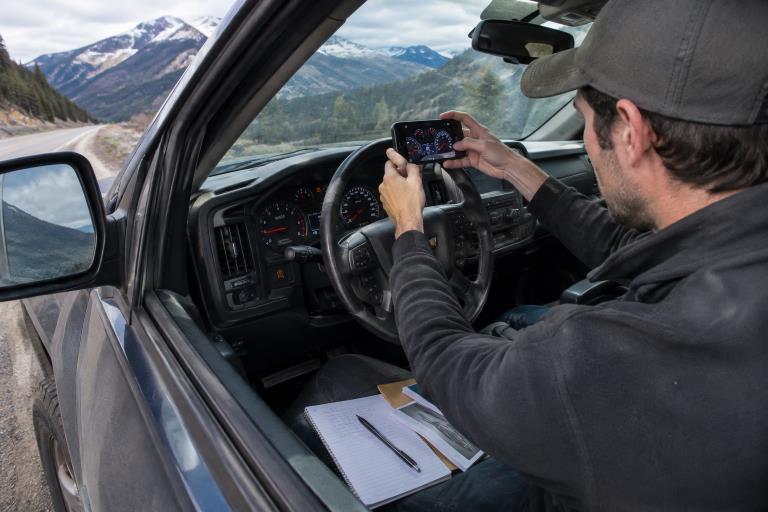
Colorado pickup trucks work in demanding conditions. Steep grades, winter road treatment, sudden temperature swings, towing, trail access, and long interstate drives can make an intermittent vehicle problem harder to describe and diagnose. Drivers researching Colorado quality control issues or dealing with another pickup model should begin creating a clear record as soon as a warning light, noise, leak, or handling concern appears.
Good documentation does not fix a mechanical defect on its own, but it can turn a confusing series of repair visits into a useful timeline. Accurate dates, mileage readings, symptoms, photos, repair orders, and written communications help a dealership or independent shop determine whether the truck has a single isolated issue or the same unresolved problem recurring.
Why Repair Records Matter
A repair invoice often contains details that are easy to forget weeks later, including the mileage at check-in, the customer complaint, diagnostic codes, parts replaced, and the technician’s findings. Save every version of these documents, even when a visit ends with “unable to duplicate” or no repair performed. That result can still matter because it confirms that the concern was reported on a particular date.
For Colorado drivers, recording the setting can be especially useful. Note whether the problem happened while climbing a mountain pass, towing a trailer, starting after an overnight freeze, driving in stop-and-go Front Range traffic, or traveling on a rough, unpaved road. Conditions do not prove the cause, but they can help a technician attempt to reproduce the symptom.
Signs of a Repeating Vehicle Problem
Routine maintenance is different from a recurring defect. An oil change, tire rotation, or worn brake pad normally has an expected service purpose. A recurring problem is more likely when the same symptom returns after inspection or repair.
- The same dashboard warning returns shortly after service.
- A vibration, grinding sound, hard shift, fluid leak, stall, or loss of power reappears.
- The symptom occurs under similar conditions, such as towing, cold starts, braking, or highway speeds.
- The repair provides only brief relief and does not resolve the concern.
- Multiple parts are replaced without a clear explanation of the underlying cause.
- A safety-related feature, such as steering assistance, braking, lighting, or a camera, works inconsistently.
What to Record Each Time an Issue Appears
Start a log on your phone or in a notebook and update it while the details are fresh. Avoid guessing about the cause. Describe what you saw, heard, felt, or smelled.
- Date and time: Record the exact day and approximate time.
- Mileage: Photograph the odometer if practical.
- Symptom: Use plain language, such as “truck pulled left while braking” or “wiper stopped mid-cycle.”
- Driving conditions: Include speed, weather, road surface, engine temperature, cargo, and towing conditions.
- Evidence: Take safe photos or videos of warning messages, leaks, smoke, or visible damage. Do not film while driving.
- Repair result: Write down what the shop tested, what it found, what it replaced, and whether the issue returned.
How to Organize Repair Documents
Use one digital folder for the truck and keep paper originals in a labeled file. Scanning paperwork immediately can prevent faded receipts or misplaced repair orders from becoming a problem later. A simple spreadsheet or chronological note can list the date, mileage, repair facility, complaint, work performed, cost, and outcome.
Documents Worth Keeping
- Purchase, financing, warranty, and service-contract paperwork
- All repair orders, invoices, diagnostic printouts, and inspection reports
- Emails, text messages, appointment confirmations, and voicemail notes
- Photos, videos, towing receipts, rental invoices, and roadside-assistance records
- Recall notices and written follow-up from the manufacturer or dealer
Checking Recalls and Safety Complaints
Use the truck’s 17-character VIN, rather than relying only on its year and model, when reviewing open recalls. The federal recall search tool can identify unrepaired recalls associated with a specific vehicle and also provides access to broader recall, complaint, and investigation information. Save a dated screenshot of the result in your file, then check again periodically, as recall information can change.
If a problem appears to be safety-related, document it carefully before submitting a complaint. Include the vehicle’s year, make, model, mileage, the conditions involved, what occurred, and whether anyone was injured or property was damaged. A factual description is more useful than an assumption about which component failed.
Questions to Ask During a Repair Visit
Bring your log to the appointment and ask that the concern be clearly written on the repair order. Before leaving, request a copy that shows the complaint, diagnosis, work completed, and final test results.
- What tests were performed, and was the symptom reproduced?
- Were diagnostic trouble codes stored?
- What caused the issue, based on the inspection?
- Which parts were repaired, adjusted, or replaced?
- Was the truck road-tested or otherwise checked after the repair?
- Could another system create the same symptom?
- What specific warning signs should the driver watch for afterward?
When a Truck May Not Be Safe to Drive
Some symptoms call for stopping in a safe location and arranging a tow instead of continuing to a repair facility. Examples include a major loss of braking or steering control, a fuel leak, visible smoke, a burning odor, overheating, repeated stalling in traffic, severe transmission slipping, or a warning light accompanied by strong shaking or a sudden loss of power. The urgency depends on the truck’s behavior and the driver’s ability to control it, not just the warning light itself.
Tips for Colorado Used-Truck Buyers
Before buying a used pickup, obtain the VIN, review available service history, check for open recalls, and arrange an independent mechanical inspection. A history report can be helpful, but it may not reveal every mechanical concern. The Federal Trade Commission advises buyers to obtain an independent inspection and to review the Buyer’s Guide, which indicates whether a dealer is selling the vehicle with a warranty or “as is.”
Test-drive the truck under conditions that fit its intended use. Listen for unusual noises, test braking and steering response, operate four-wheel-drive equipment if applicable, and confirm that warning lights clear after startup. Ask for any recent repair records before signing.
What to Do After Several Failed Repairs
When the same concern persists after multiple visits, create a one-page timeline that includes each date, mileage reading, complaint, repair attempt, and result. Ask the repair facility for a written explanation of the diagnosis and the next recommended step. Review the applicable warranty or service contract, keep communications in writing when possible, and consider qualified consumer or legal guidance if the issue remains unresolved. Clear records give you a stronger foundation for discussing a persistent truck problem and choosing the safest next step.