Key Takeaways
- Hidden mold usually indicates a moisture problem that needs attention.
- Musty odors, stains, peeling finishes, warped materials, and recurring surface growth are important clues.
- Bathrooms, basements, attics, crawlspaces, kitchens, laundry rooms, and HVAC areas deserve a careful look.
- Finding and stopping moisture matters more than simply cleaning what is visible.
- Large, recurring, contaminated, or hard-to-reach problems may require experienced help.
Hidden mold can be unsettling because it may grow behind walls, beneath flooring, or above ceilings, where a routine cleaning cannot reach it. A persistent odor or an old water stain does not automatically confirm mold, but it does warrant an investigation into the home’s moisture history. In some situations, a Mold dog inspection may offer a minimally invasive way to help narrow down areas that need closer evaluation. The central issue is usually water. Mold spores are common in indoor and outdoor environments, but active indoor growth needs moisture. A slow plumbing leak, a roof problem, repeated condensation, a drainage issue, or a flood can leave drywall, wood, insulation, carpet padding, and other materials damp long after the original event appears resolved.
Why Hidden Mold Deserves Attention
A surface can look clean while the material behind it remains damp. For example, repainting a ceiling after a roof leak may cover the discoloration without addressing wet insulation or drywall above it. Moisture can also weaken finishes, warp wood products, and damage porous materials over time. According to EPA guidance on controlling moisture indoors, water-damaged areas should be dried within 24 to 48 hours when possible, and the underlying water problem should be fixed. Cleaning visible growth without correcting the cause often leads to another round of staining, odor, or growth.
Common Signs of Mold Behind the Surface
No single sign proves hidden mold. A combination of clues, especially in an area with known water exposure, is more meaningful than any single clue.
- Persistent musty odors:A smell that returns after airing out a room, changing filters, or cleaning may point to damp materials or hidden growth.
- Water stains:Brown, yellow, gray, or irregular marks on walls, ceilings, or floors can indicate a current or previous leak.
- Peeling paint or bubbling wallpaper:Moisture behind finishes can cause paint to loosen and wallpaper to separate.
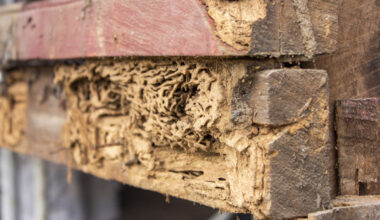
- Warped floors or soft drywall:Changes in texture, swelling, softness, or uneven flooring can signal water exposure.
- Condensation:Wet windows, pipes, closets, and cold exterior corners may indicate excessive humidity or insufficient airflow.
- Recurring surface growth:Mold that repeatedly appears in the same area may mean moisture is still present nearby.
- Past water damage:Plumbing failures, roof leaks, basement flooding, and overflowing appliances should remain part of the investigation even after repairs.
Where to Look First
- Basements:Inspect foundation walls, floor edges, carpeting, stored cardboard boxes, sump areas, and spots where water may enter after rain.
- Bathrooms:Check around tubs, showers, toilets, vanities, damaged caulk, grout, and exhaust fans.
- Kitchens:Look beneath sinks, behind dishwashers and refrigerators, and around supply lines and drain connections.
- Laundry rooms:Examine washing machine hoses, drain lines, flooring, and wall penetrations.
- Attics:Watch for roof stains, damp insulation, blocked ventilation, and moisture near vents, chimneys, or other roof openings.
- Crawlspaces:Look for standing water, damp soil, poor airflow, wet insulation, and damaged floor joists.
- HVAC areas:Check drain pans and lines, visible condensation, and odors that seem stronger when the system operates.
How to Investigate Without Making the Problem Worse
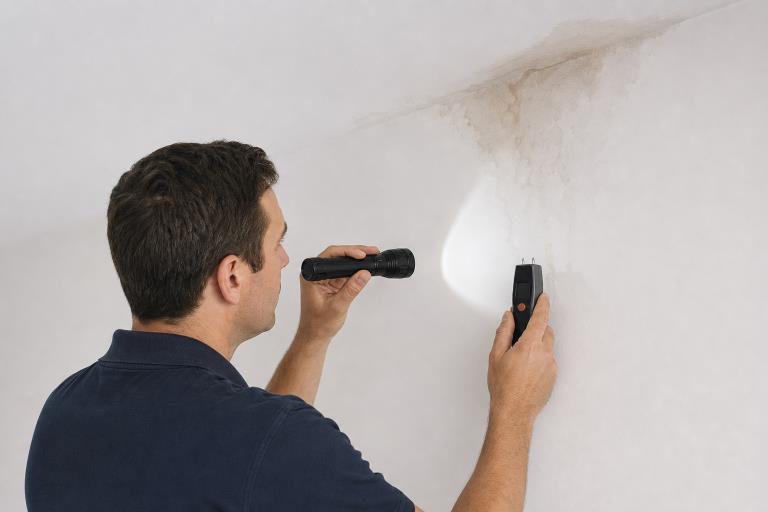
Begin with a flashlight, a visual inspection, and notes about when the odor, stain, or dampness first appeared. Photograph affected areas and record whether the condition worsens after rain, showering, running an appliance, or using heating and cooling equipment. A basic hygrometer can help track indoor relative humidity, while a moisture meter may identify unusually damp building materials. Use caution before pulling up flooring, removing wallpaper, cutting drywall, or disturbing insulation. Those actions can release dust and spores, create more damage, and make a small investigation much larger. Keep children, pets, and people with respiratory sensitivities away from a suspected area until it can be evaluated safely.
Why Moisture History Matters More Than Appearance
A repaired leak is not always the end of the story. Water may have moved into wall cavities, under flooring, or into insulation before the source was discovered. Similarly, regular window condensation can dampen nearby trim and drywall even when there is no obvious leak. The key questions are where the water went, how long the materials stayed wet, and whether the area was fully dried. Tools such as infrared cameras and borescopes may help identify areas for follow-up, but they require careful interpretation. Air or surface samples can sometimes add information, yet they may not identify the moisture source or the precise location of hidden growth. When visible mold is already present, locating and resolving the water issue is generally more useful than relying on a single test result.
When Professional Help Makes Sense
Consider experienced assistance when the affected area is extensive, the source of an odor cannot be found, mold returns after cleaning, or walls, ceilings, flooring, crawlspaces, or HVAC components may be involved. Professional support is also appropriate after sewage backups, flooding, or other contaminated water events. Ask what an inspection includes, how findings will be documented, and whether the person evaluating the issue also performs remediation. Clear reporting can help homeowners understand the suspected source, affected materials, recommended repairs, and the inspection’s limits.
Health Questions Homeowners Often Ask
Health effects vary from person to person. The CDC notes that mold exposure can cause allergic and irritant symptoms in some people, and it may worsen asthma symptoms in people who are allergic to it. Color alone does not determine whether a mold problem is more or less concerning. A black, green, white, or gray appearance cannot identify a species or predict an individual’s response. Anyone with significant symptoms, asthma concerns, or questions about personal exposure should speak with a qualified healthcare professional. Decisions about leaving a home during cleanup depend on the size of the problem, the cleanup methods, and the needs of the people living there.
What to Do After Finding a Moisture Source
- Stop the leak, condensation source, drainage issue, or other source of water.
- Dry affected materials promptly and improve airflow where appropriate.
- Document damage with photos and notes before repairs begin.
- Determine whether materials can be cleaned thoroughly or should be removed and replaced.
- Use appropriate protective equipment for minor cleanup, and avoid disturbing extensive hidden areas.
- Recheck the repaired area for returning moisture, stains, or odors.
Common Mistakes to Avoid
- Painting over stains without identifying the water source.
- Using air fresheners to hide a persistent musty odor.
- Assuming all mold is black or that color alone determines risk.
- Ignoring attics, crawlspaces, and furniture placed against cold exterior walls.
- Waiting weeks to inspect hidden materials after a leak or flood.
- Removing wallpaper or opening walls without a plan for containment and cleanup.
Frequently Asked Questions
Can a home have mold even if nothing is visible?
Yes. Mold may grow behind drywall, beneath carpet padding, under flooring, inside wall cavities, or above ceiling materials. Odors and water history can justify a closer inspection.
Does mold always cause a musty smell?
No. Damp wood, wet insulation, stagnant air, dirty filters, and other moisture-related conditions can create unpleasant odors. Treat the smell as a clue rather than a final diagnosis.
Can mold return after cleanup?
Yes. It can return when humidity, condensation, leaks, or drainage problems remain unresolved. Lasting control depends on removing the moisture source and drying the affected area.
Conclusion
Hidden mold is usually a moisture story before it becomes a cleaning story. Musty odors, water stains, warped materials, peeling finishes, discoloration, and signs of previous leaks can all warrant attention, particularly when several of these signs appear in the same area. Homeowners should first look for possible sources of moisture, such as plumbing leaks, roof or window leaks, condensation, poor ventilation, or water intrusion, rather than focusing only on the visible surface. Start with a careful inspection and avoid unnecessary disturbance of materials that may contain mold, especially when the extent of the problem is unclear. Address active water problems as soon as reasonably possible and allow affected areas to dry thoroughly. Keep photographs and notes of visible conditions, previous leaks, repairs, and areas of concern for future reference. Qualified help may be appropriate when the affected area is large, hidden behind walls or other materials, recurring, associated with significant water damage, or difficult to dry properly. Identifying and addressing the moisture source is an important part of reducing the chance of continued mold growth and supporting a m