What a Heat Pump Needs from Your Home
A cozy house helps a heat pump operate well. Your building envelope and distribution system are there. Insulation and air sealing first. A well-insulated attic, tight rim joists, and low-leakage windows decrease equipment load. Every draft you seal reduces the machine you require, often significantly.
Electricity is the next barrier. Most current systems require dedicated circuits, adequate breaker sizing, and a visible exterior disconnect. Plan for a subpanel or service upgrade if your primary panel is full. Better to find out while planning than during installation.
If you have ducts, examine them with a critical eye. Leaky, undersized, or poorly insulated ducts sabotage efficiency. In older homes, returns are often starved and cause high static pressure, highlight Aramis Realty specialists. That leaves even the best heat pump gasping for airflow. Seal with mastic, insulate in unconditioned spaces, and verify that every room has a return path, through a dedicated duct or transfer grilles.
Choosing a System That Matches Your Climate and Lifestyle
Your heat pump should fit your design load and lifestyle patterns with space to spare. Look for cold environment air source models with good low-temperature capabilities. Variable speed compressors and inverter-driven systems provide comfort with fewer on-off swings and keep capacity as temperatures decrease.
Ducted systems are a natural fit for homes with good ductwork and a desire for uniform whole home comfort. Ductless mini splits excel in homes without ducts, additions, or where zoning matters. You can mix and match: a ducted air handler for bedrooms and a wall cassette for a sunroom that overheats in the afternoon. Ground source systems fit sites with available land or vertical drilling access and reward you with stable efficiency through seasons, though the drilling cost is real.
Lifestyle often drives the zoning plan. If you work from home, you might keep the office cooler or warmer than the rest of the house. If you travel often, a smart system with schedules and geofencing can coast when you are away and ramp smoothly before you return.
Site Planning and Siting Details That Make or Break Performance
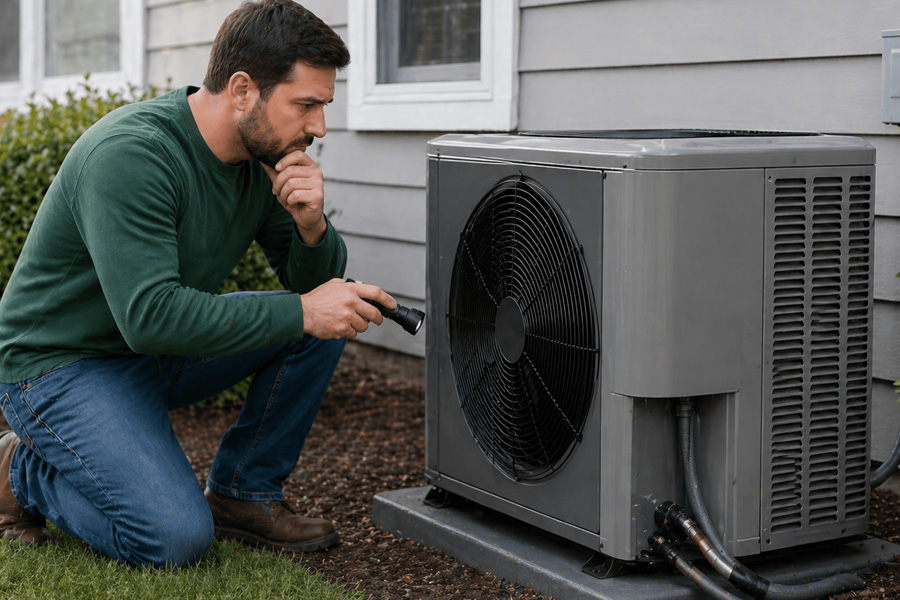
Place the outside unit to breathe and drain. Clear it all around and above. Avoid wind tunnels and snow-drifting corners. Keep the base pan above drift height and direct defrost water to a clear channel by standing the unit in snowy areas. Save the unit against icicles and roof avalanches. A little cover can assist, but never impede airflow.
Mind your neighbors and your sleep. Locate the unit away from bedroom windows, and use vibration isolation pads or wall brackets to tame resonances. A well placed privacy fence or shrub can deflect sound without boxing in the unit.
Plan line set before drill bits hit wall. Shorter is ideal for smooth bends, UV protection, and secure supports. Seal penetrations with sleeves and long-lasting sealant. Maintain sloping condensate lines and freeze protection. Defrost can turn a base pan into a skating rink due to a frozen drain.
Electrical and Controls Considerations
Heat pumps and electrical panels must get along. Check wire gauge, breaker size, and disconnect location against manufacturer specifications. Avoid nuisance journeys using dedicated circuits. Calculate combined load with electric resistance backup. Some homes benefit from load management devices that shed noncritical loads when heat pump and other appliances run simultaneously.
Comfort is controlled by controls. Use equipment-specific thermostats or controls. Adjust the system to provide backup heat if external temperatures drop below capacity. Longer cycles at lower power minimize noise and feel more even in variable speed systems. Many systems have Wi Fi modules for scheduling, demand response, and energy monitoring. Try them to discover your home’s rhythm and adjust slowly.
Ductwork, Airflow, and Indoor Air Quality
Ducted heat pumps run on airflow. Coil freezing or overheating occurs when too little is used. Too much makes the system noisy and inefficient. Target manufacturer-specified airflow per ton. Use a manometer to measure external static pressure. Resize sections, open return grilles, or lower restrictive filters if high. Quiet systems yield high rewards.
Health and equipment longevity depend on filtration. Select a filter with the right MERV rating for your blower. Many homes benefit from MERV 11 or 13. Consider a media cabinet with a deeper filter to prevent pressure drop for allergies or asthma. Attic and crawlspace runs should be insulated and ducts sealed with mastic, not tape. In humid regions, consider sensible and latent capacity. Some systems have dedicated dehumidification modes or work with whole-house ones.
Permits, Inspections, and Commissioning
Permits exist to protect you and your investment. Expect electrical and mechanical permits and, in some jurisdictions, refrigerant or environmental documentation. Inspections typically verify clearances, condensate management, electrical safety, and overall workmanship.
Commissioning makes a good installation exceptional. A low-micron vacuum ensures dry, crisp lines. A nitrogen pressure test confirms tight connections. Technicians must establish airflow, measure supply and return temperatures, check static pressure, superheat or subcooling, and defrost. Programming, mode testing, and homeowner training are needed.
Costs That Matter Beyond the Bid
Bids rarely tell the whole story. Compare equipment models, included accessories, duct upgrades, electrical work, condensate pumps, and line hide. A cheaper bid that skips duct sealing or a proper stand can cost you in comfort and repairs. Think in terms of total cost of ownership over ten to fifteen years. Efficiency saves monthly, while good design saves headaches.
Warranties vary. Some manufacturers require registration within a short window. Ask who handles warranty claims. Extended labor warranties can be worthwhile if they come from a reputable contractor. Clarify what is covered, what is excluded, and the process for service.
Maintenance Rhythm and Owner Tasks
Heat pumps appreciate regular maintenance. Schedule filter cleaning. Clear outdoor coils of leaves, grass, and snow. Clear two feet around the unit. Wet the outdoor coil carefully each spring. Check line set insulation for sun damage and fix. Condensate should drain easily.
Schedule annual professional checkups. A technician may examine electrical connections, update firmware, monitor refrigerant function, and spot little errors before they become comfort issues. Note system messages. Modern units often alert you to off-target items.
Red Flags During Installation Day
A cautious install is choreographed. Before charging, check pressure with nitrogen and a steady deep vacuum. Question a surge from brazing to valve opening. Torque, deburr, and protect flare connections using manufacturer-specified anti seizing or flare nuts. Line length and elevation changes should be within restrictions.
Check grilles indoors for air noise. Hiss often indicates excessive static pressure. Make sure the outdoor unit is stable and level. Make sure the disconnect is visible and labeled. Request heat, cool, and defrost demonstrations and filter access and maintenance from the installer.
FAQ
How do I know if my electrical service can handle a heat pump?
Check your main panel’s amperage rating and breaker space availability. Your installation can compute the heat pump and electric backup amperage and compare it to your loads. If the margin is narrow, add a subpanel, upgrade the service, or use a load management device to shed noncritical loads when the heat pump runs.
Do I need backup heat in cold climates?
Many cold climate models have useful capacity at low outside temperatures, but demand will exceed supply some days. Backup heat provides comfort during cold snaps and defrost cycles. Electric resistance strips, hydronic coils, or hybrid installation with a suitable heater are options. Set the balance point to activate backup only when needed.
How loud are heat pumps during operation?
Newer variable speed systems are quieter. Outdoor units hum and whoosh during thaw. Well-sized and balanced ducting decreases register noise indoors. Placement, vibration isolation, and large return grilles matter. Request sound ratings from your contractor and visit a finished installation to hear it.
What size heat pump do I need?
Not square footage, but heating and cooling loads determine home size. Insulation, windows, orientation, air leakage, and weather affect load calculations. Short cycles and unequal comfort result from oversizing. Being undersized stresses the system. A properly sized unit with good airflow provides quiet, consistent comfort.
Can I reuse my existing ducts?
Sometimes. If your ducts are well sized, sealed, and insulated, they may be suitable. Many homes need return upgrades, additional supply runs, or balancing to meet the airflow requirements of a heat pump. A pressure test and inspection reveal the truth. Investing in the ducts is often the smartest path to performance.
How long does installation take?
One-day ductless single-zone installations are common. Multi-zone or whole-home ducted systems take two to four days, depending on duct modifications and electrical work. Ground source projects take longer owing to trenching or drilling. Schedule time for permitting and equipment ordering.