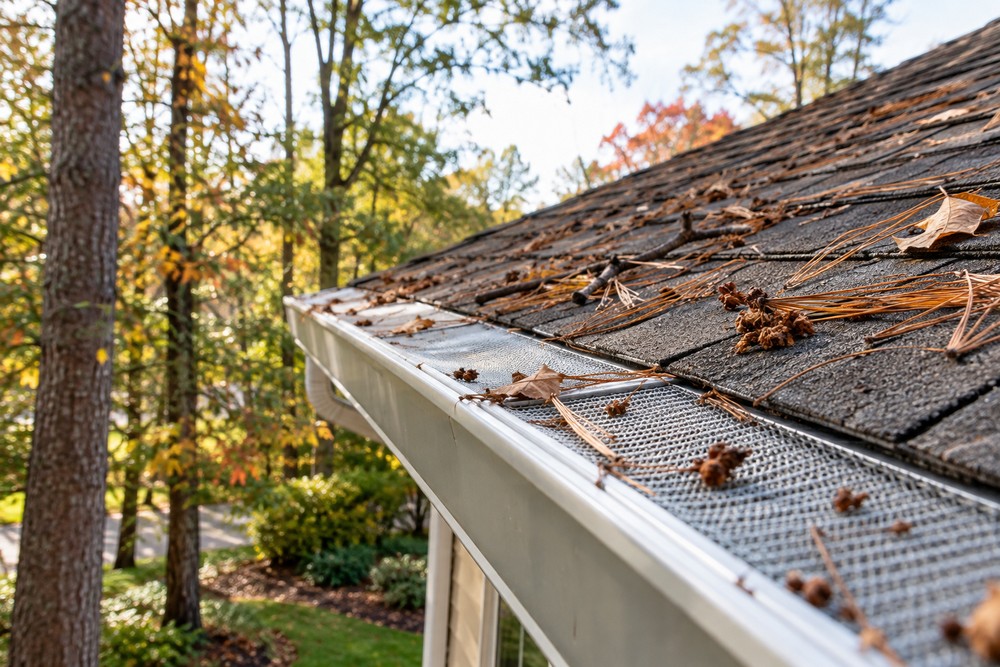
Trees add shade and character around a property, but they also create recurring maintenance around roofs and gutters. Leaves are only one part of the problem. Pine needles, seeds, blossoms, small twigs, and other organic material can reach roof surfaces throughout different seasons, creating changing conditions along the roof edge.
Gutter Covers can help reduce the amount of larger debris entering open gutter channels, but tree-heavy properties require thoughtful planning. The type of material reaching the roof, its size, and the seasons when it falls most heavily can influence what homeowners should consider. A property surrounded by broad-leaf trees may experience different challenges from one bordered by pines.
Ray Seamless Gutters can help homeowners evaluate protection according to the debris their property actually receives. Looking at surrounding trees and recurring maintenance patterns provides more useful information than assuming every wooded property has identical needs. The objective is to reduce unwanted material entering gutters while keeping realistic expectations about exterior maintenance.
Identify What the Surrounding Trees Actually Drop
Different trees create different forms of debris. Large leaves may collect visibly, while thin needles and small seeds can settle into narrow spaces or gather together after wind and rain.
Homeowners can observe what accumulates on patios, driveways, roof edges, and other outdoor surfaces. These materials often provide a useful indication of what is also reaching the roof.
Understanding the debris profile gives homeowners a clearer starting point when discussing gutter protection. Instead of describing the property as simply having many trees, they can identify the materials creating the recurring maintenance concern.
Recognize That Debris Changes With the Seasons
Tree debris does not necessarily arrive during one short period. Blossoms and seed material may appear in spring, while leaves become more noticeable during autumn.
Evergreen trees can create another pattern because needles may fall at different times throughout the year. Storms and strong winds can also bring twigs and loose organic material down unexpectedly.
A protection plan should reflect these changing conditions. Homeowners who monitor several seasons gain a more complete picture than those evaluating their gutters after one isolated cleanup.
Consider How Close Trees Are to the Roof
Trees positioned near a house can deliver debris directly onto roof surfaces. Overhanging branches may increase the amount of material reaching certain sections, although wind can carry debris from farther away as well.
Watch Where Material Collects Most Heavily
Some roof areas naturally gather more debris because of their shape or position relative to nearby trees. Corners, valleys, and sheltered sections may collect material differently from exposed edges.
Homeowners can safely observe these patterns from ground level. Knowing which areas experience the greatest accumulation can make conversations about protection and future maintenance more specific.
Understand the Challenge of Pine Needles
Pine needles behave differently from broad leaves because they are narrow and can collect in dense groups. They may gather on roof surfaces, around valleys, and near drainage areas depending on wind and surrounding tree coverage.
Their small size makes it useful to discuss the actual debris conditions when comparing protection options. A product considered for large leaves should not automatically be assumed to behave identically around fine material.
Ray Seamless Gutters can evaluate the surrounding environment before homeowners make a decision. A property-specific discussion can focus on the types of debris present instead of treating all tree-related gutter concerns as the same problem.
Pay Attention to Seeds and Spring Debris
Seeds, pods, blossoms, and other small tree material can create significant seasonal accumulation even when autumn leaves receive most of the attention. Some debris may be light enough to travel across roof surfaces with wind.
Rain can then move loose material toward the gutter edge. When several forms of debris arrive together, the resulting buildup may look different from a simple layer of dry leaves.
Homeowners should consider spring conditions when reviewing annual maintenance. Observing the property across multiple seasons provides a better understanding of the recurring debris cycle.
Remember That Roof Debris Still Needs Attention
Reducing material entering a gutter does not mean organic debris disappears from the property. Leaves, needles, and twigs can still remain on roof surfaces or collect around exterior components.
Gutter Covers should therefore be viewed as a maintenance-management feature rather than a reason to stop observing the roofline. Exterior systems remain exposed to weather, vegetation, and changing seasonal conditions.
Homeowners should understand the recommended inspection and maintenance expectations for any system they consider. Realistic expectations help prevent protection from being mistaken for permanent elimination of all debris-related care.
Think About Storms and Sudden Debris Loads
Ordinary seasonal shedding is predictable, but storms can change conditions quickly. Wind may bring down clusters of leaves, small branches, needles, and other material within a short period.
A property that appeared relatively clear before a storm may look considerably different afterward. Homeowners can inspect conditions safely from the ground once severe weather has passed.
These observations are particularly useful around heavily wooded properties. Sudden debris loads may require attention even when routine maintenance has been reduced during calmer periods.
Keep Future Inspection Access in Mind
Any exterior improvement should be considered alongside future maintenance needs. Gutters and nearby roof edges may still require inspection even after protective components are installed.
Homeowners should understand how the selected system can be accessed when necessary. This question becomes especially relevant around tall homes, complex rooflines, or sections already difficult to reach.
Planning for future access helps avoid creating unnecessary complications later. Protection should support manageable maintenance rather than make routine observation more difficult.
Compare Options According to Real Property Conditions
Homeowners may encounter multiple gutter protection designs while researching possible improvements. Comparing them only by appearance provides limited information about how they relate to a specific property.
The discussion should include nearby vegetation, common debris, roof configuration, existing gutter condition, and expected maintenance. These factors provide a more practical basis for evaluating available options.
No surrounding landscape remains completely unchanged. Trees grow, branches extend, and vegetation may be removed or added, so homeowners should continue observing how property conditions develop over time.
Build a Practical Plan for Tree-Heavy Properties
Homes surrounded by mature trees require a realistic approach to gutter maintenance. Leaves, needles, seeds, blossoms, and storm debris can arrive at different times, making the maintenance burden highly dependent on the individual property.
Homeowners considering Gutter Covers can contact Ray Seamless Gutters to discuss the debris patterns around their home and the condition of the existing system. A property-focused evaluation can help identify appropriate considerations while setting clear expectations about inspection and ongoing exterior care.
The most useful protection strategy begins with understanding what reaches the roof throughout the year. Tree type, proximity, seasonal shedding, storm exposure, and roof collection areas all influence the situation. By evaluating these factors before making an upgrade, homeowners can choose a practical approach that reduces recurring debris concerns without assuming that outdoor maintenance will disappear completely.



