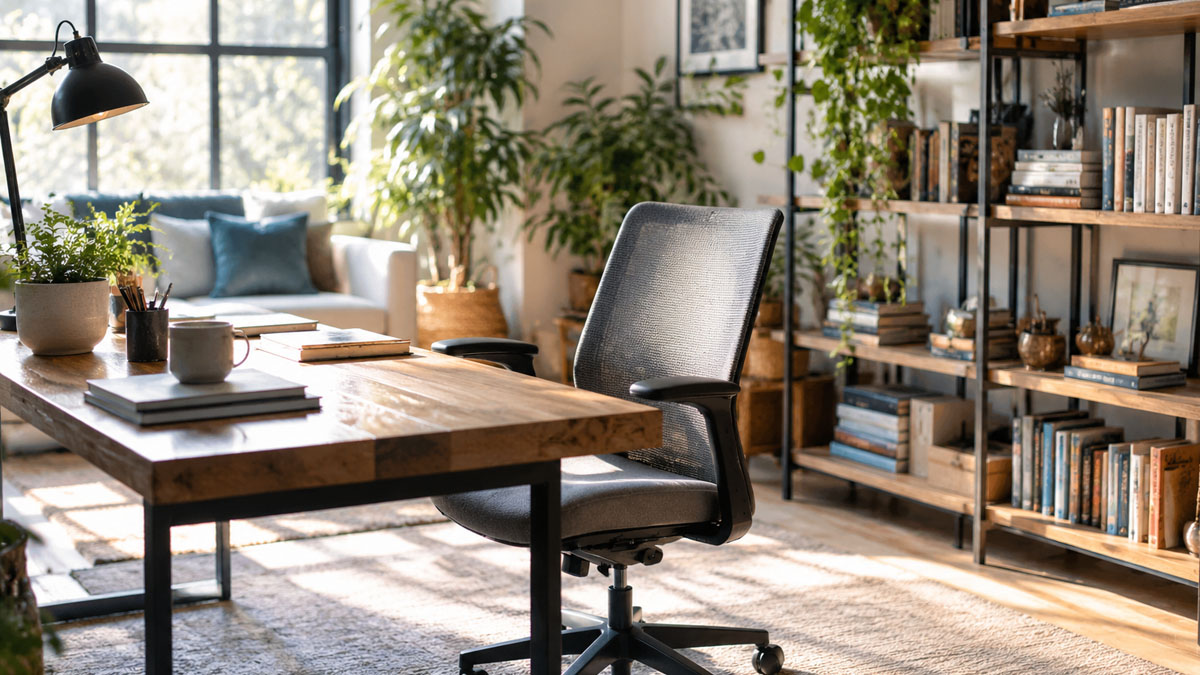
A home office needs to support focused work without feeling disconnected from the rest of the house. Unlike a traditional workplace, the room may also serve personal routines before or after business hours. Thoughtful Furniture Store shopping can help homeowners create a workspace that balances practical requirements with the comfort expected from a residential interior.
The best arrangement begins with understanding what actually happens during a normal workday. Someone using multiple monitors has different furniture needs from a person working mainly with a laptop, paperwork, or occasional video meetings. Storage, available surfaces, movement, and visitor needs should reflect the work being performed rather than a generic office setup.
Comfort also depends on how well furniture fits the dimensions and character of the room. What’s New Furniture can help shoppers compare desks, storage pieces, chairs, and supporting furnishings according to their intended roles. Planning around daily habits creates an office that feels purposeful during working hours and comfortable afterward.
Define the Work Before Choosing a Desk
The desk often becomes the largest functional piece in a home office, making its selection an important starting point. Size should correspond with equipment, paperwork, and the tasks regularly completed there.
A large surface may be useful for drawings, documents, or several devices. Someone with simpler needs may prefer a smaller desk that preserves more open floor area for movement or other activities.
Homeowners should list what normally stays on the desktop before comparing options. This prevents selecting an oversized piece simply because additional surface area initially seems desirable.
Position the Desk Around Daily Movement
Desk placement affects how easily someone enters the room, accesses storage, and moves between work areas. Positioning should therefore consider more than the most attractive wall.
Doors, windows, closets, outlets, and permanent architectural features can influence the practical layout. Frequently used routes should remain comfortable without requiring repeated movement around desk corners or other furniture.
The preferred arrangement also depends on personal working habits. Some people enjoy facing into the room, while others prefer a position with fewer visual distractions.
Give Storage a Specific Job
Home offices can accumulate documents, supplies, electronics, books, and miscellaneous household items quickly. Adding storage without deciding what belongs inside it may simply create more places for clutter.
Separate Daily Items From Archives
Frequently used supplies should remain reasonably accessible, while records needed only occasionally can occupy less convenient storage. This distinction helps homeowners determine which cabinets, drawers, or shelving arrangements genuinely support daily work.
What’s New Furniture can help shoppers compare storage capacity with exterior dimensions. Choosing pieces for identifiable belongings makes organization more effective than filling empty walls with cabinets that lack a clear purpose.
Consider the Relationship Between Desk and Chair
A desk and office chair function as a working pair. Their dimensions should allow comfortable positioning rather than being selected independently according to appearance.
Homeowners should consider available legroom, desk height, chair movement, and the amount of space required behind the seating position. A chair may need additional clearance when someone sits down or moves away from the desk.
Individual comfort needs vary, particularly for people spending long periods working. Shoppers should test suitable options where possible and consider professional ergonomic guidance when specific physical concerns require it.
Create a Practical Video Meeting Background
Remote work has made the area behind a desk more visible during meetings. Furniture placement can help create an organized background without turning the entire office into a staged display.
A cabinet, bookcase, or simple wall arrangement may provide visual structure where appropriate. The background should not require constant rearranging before every call.
Homeowners should also consider whether doors or busy household pathways appear directly behind the working position. Adjusting furniture orientation may create a calmer setting while preserving normal movement through nearby areas.
Keep Frequently Used Supplies Within Reach
An efficient office reduces unnecessary movement for items used repeatedly. Pens, notebooks, chargers, reference materials, and current documents should have logical locations near the primary work area.
This does not mean every supply needs to remain visible. Drawers, compact cabinets, and nearby storage can maintain access while keeping the desktop reasonably organized.
A Furniture Store visit allows homeowners to compare desk storage with separate organizational pieces. Evaluating the complete working area can reveal whether additional furniture is necessary or whether a simpler arrangement will perform better.
Avoid Turning the Office Into General Storage
A spare room converted into an office can gradually become a convenient destination for unrelated household belongings. Boxes, seasonal items, unused furniture, and miscellaneous objects may eventually reduce working space.
Homeowners should decide which storage genuinely belongs to the office. Items unrelated to work may be better organized elsewhere if they interfere with movement or create persistent visual clutter.
Maintaining this boundary supports the room’s primary purpose. An office becomes easier to use when furniture serves work routines instead of becoming overflow storage for the entire household.
Plan Visitor Seating According to Real Need
Not every home office requires additional chairs. Someone who works alone and rarely meets clients at home may gain more value from open space or additional storage.
Homeowners who regularly meet another person may benefit from one or two appropriately scaled seats. Their placement should support conversation without interfering with the main working position.
Occasional visitors do not necessarily justify substantial permanent seating. The frequency and nature of meetings should determine how much floor area is committed to this function.
Use Wall Space Without Creating Visual Clutter
Vertical space can support organization where floor area is limited. Bookcases or other appropriate storage may provide useful capacity while leaving more room for movement.
However, filling every wall with storage can make a small office feel visually dense. Homeowners should determine what needs to be stored before deciding how much furniture the room requires.
A mixture of useful storage and open wall area often creates a more balanced environment. The objective is accessibility without surrounding the workspace with unnecessary belongings.
Consider Work Materials Before Selecting Finishes
Home office furniture experiences repeated contact from computers, notebooks, beverages, writing tools, and other work materials. Surface selection should reflect how the desk and storage pieces will actually be used.
Homeowners can ask about relevant care requirements before purchasing. A finish that suits light laptop use may face different demands in a workspace involving frequent paperwork, equipment, or creative projects.
Whats New Furniture can provide available product information for furnishings under consideration. Understanding everyday care helps shoppers compare appearance with the maintenance they are realistically willing to perform.
Leave Space for Workday Transitions
Working from home can make the boundary between professional and personal time less obvious. Furniture arrangement cannot create that separation alone, but an organized workspace can support a clearer end-of-day routine.
Documents and supplies should have places where they can be put away. Clearing active work from the main surface can make the room feel less visually occupied by unfinished tasks.
This becomes particularly useful when the office serves another personal purpose after work. A manageable transition helps the space adapt without requiring extensive rearrangement each evening.
Keep Household Traffic Outside the Work Zone
Some offices sit near busy living spaces or contain pathways to closets and other household features. Furniture should avoid placing the primary work position directly within regular traffic where possible.
Homeowners can observe when family members enter the room and what they need to access. Adjusting a desk or storage piece may reduce interruptions without restricting legitimate household use.
Clear zones also make shared offices easier to manage. Each person can understand which areas support focused work and which remain available for general movement.
Build an Office Around Sustainable Routines
A successful home office should remain practical after the novelty of a new setup disappears. Desks, storage, seating, and supporting pieces need to serve repeated work habits rather than simply creating an impressive appearance.
Homeowners benefit from choosing furniture according to actual equipment, documents, meetings, movement, and organizational needs. Leaving some open space can be equally valuable because it prevents the office from becoming crowded as routines develop.
The finished room should feel professional enough for productive work while still belonging naturally within the home. Careful furniture choices can support organization, concentration, comfort, and easier transitions between working hours and personal time without requiring the space to resemble a conventional corporate office.