Start With the Room, Not the Material
Before choosing a beautiful slab or showroom sample, consider the space. Messy kitchens and mudrooms need surfaces that can take it. Full-bath materials must resist steam and water. Enterways need sand and salt protection. Warmth and comfort are needed in living areas and bedrooms. Freeze-thaw cycles, UV, and rain add to the challenge outdoors.
Both natural stone and ceramic flourish in harsh spaces, but in different ways. Like a river rock in your palm, stone feels cool and solid. Porcelain ceramic is machine-like in predictability and resilience. Predictability can be worth much if your pets run laps or kids spill metal water bottles, adds Alta Property Management Services.
How They Perform Day After Day
Durability is more than hardness. It is how a surface handles abrasion, chemicals, moisture, and impact.
- Natural stone: Not all stones are created equal. Granite and some slates handle abrasion well. Marble, limestone, and travertine contain calcite, which reacts with acids in citrus, vinegar, and many cleaners. That means potential etching and dull spots. Most stones are porous to some degree and need sealing to resist stains. Finishes matter too. Polished surfaces show scratches quickly and can be slick when wet. Honed or tumbled finishes hide wear and improve traction.
- Ceramic and porcelain: Porcelain is dense, water-resistant, and strong. Porcelain glaze resists stains and most household chemicals. Because the body color matches the surface, through-body or color-body porcelain mask chips better. Surface texture, microstructure, and polish affect slip resistance. Textured porcelain for shower floors and pool decks outperforms many stones.
Thermal and acoustic behavior also differ. Stone carries a strong thermal mass, so it holds cool in summer and pairs beautifully with radiant heat in winter. Both stone and porcelain are hard underfoot and will amplify footsteps. Rugs and acoustic underlayments help tame the echo.
Installation Realities That Change the Math
What you see in a sample board is only half the story. The other half lives under the tile.
Stone needs firmer substrate than ceramic. Reduce floor flex to avoid cracks and lippage. That normally requires larger subfloor layers, stronger joists, or unique underlayments. Stone tiles are bigger and heavier, making flooring transitions difficult and even requiring structural evaluation in older homes.
Ceramic and porcelain are tolerant. Many lines have corrected edges for tighter grout joints and sharp lines, although they require flatter surfaces. Large-format stone or porcelain tiles emphasize floor dips and ridges. Expect extra prep, self-leveling chemicals, and careful arrangement.
Cutting is another variable. Dense porcelain can challenge blades and installers. Stones like marble cut cleanly but can chip at thin edges. Plan your trim pieces, thresholds, and profiles early, since matching accessories are not always available in stone and may require custom fabrication.
Cost Beyond the Price Tag
A realistic budget considers material, labor, prep, waste, finishing, and maintenance.
- Material: Stone ranges widely by species and grade. A rare marble can cost multiples of a common limestone. Porcelain spans from builder basics to high-end Italian lines that rival stone prices.
- Labor and prep: Stone installs typically command higher labor rates and more substrate prep. Complex patterns, bookmatched slabs, and tight tolerances raise the bill on both materials.
- Waste: Plan for 10 to 15 percent overage for standard rooms and more for complex layouts, diagonal patterns, or areas with many cuts.
- Maintenance: Stone usually needs periodic sealing and careful cleaning products. Porcelain needs little beyond routine cleaning and grout upkeep.
- Long-term value: Stone can project luxury and craft, which some buyers prize. Top-tier porcelain that convincingly mimics stone can deliver the look with lower upkeep, which others view as a smarter investment. Consider your market and how long you plan to stay.
Design Power Moves
Think like a set designer. You are choreographing light, color, pattern, and scale.
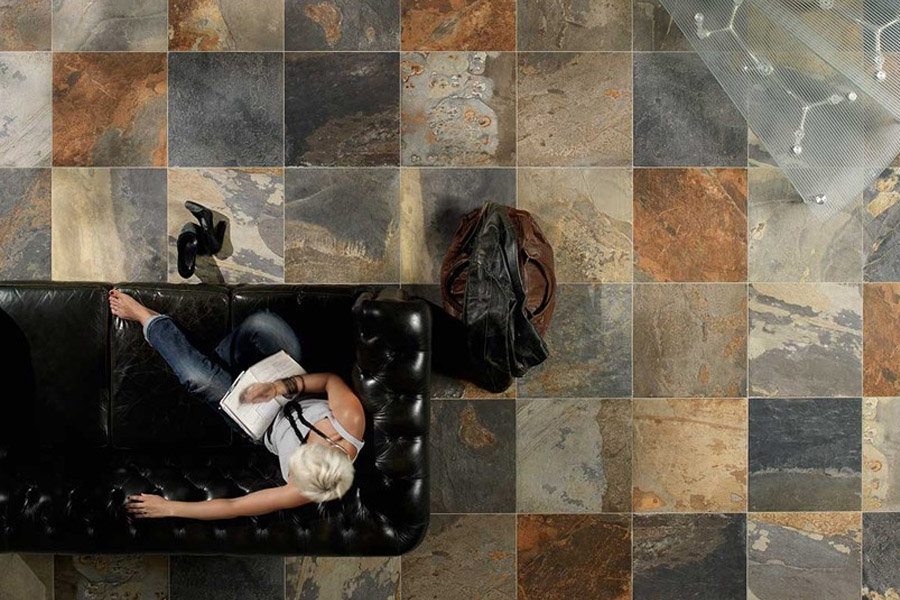
Natural stone offers singular movement. Veins and fossils tell a geologic story that no printer quite matches. Honed finishes read soft and modern, polished reads formal, tumbled leans rustic. Skilled installers can bookmatch slabs for dramatic veining symmetry in showers or feature walls.
The porcelain game is different. Inkjet printing has become incredibly realistic, with stone, concrete, and wood appearances in various faces that reduce repeats. Rectified porcelain’s reduced grout lines create a monolithic look. Structured surfaces improve traction and generate fascinating shadows under directed illumination.
Grout color quietly runs the show. Match the tile for a seamless plane. Contrast for a graphic grid that celebrates geometry. The joint width sets the visual rhythm: slim joints feel contemporary, wider joints add warmth and craft.
Outdoor and Special Conditions
Exterior decks, entries, and sunrooms intensify the environment. Freeze-thaw cycles can fracture absorbent materials. Many porcelains are rated frost resistant and hold color in constant sun. Certain stones handle outdoors well, such as dense granites and some slates, but soft limestones can spall or erode in harsh climates. Around pools, prioritize slip resistance when wet and tolerance to pool chemicals. Salt exposure from coastal air or winter de-icing is another filter. Verify the material’s rating before committing it to the elements.
Sustainability and Health Considerations
Sustainability has multiple metrics. Lifecycle-wide consideration. Stone is quarried, carved, and finished with little chemicals and lasts generations. Quarry and transport processes matter. Ceramic and porcelain are durable and low-maintenance, but they require high firing temperatures, which use energy.
Both materials are VOC-free and inert at home. Select low-VOC sealers and setting products. Penetrating water-based sealers protect many stones without odor. Gently clean daily with a microfiber mop, warm water, and pH-neutral cleaner.
Maintenance Playbooks
For natural stone:
- Seal as recommended for the specific stone and finish. Penetrating sealers are common and preserve the natural look. Always clean thoroughly before sealing.
- Use pH-neutral cleaners. Skip vinegar, lemon, and abrasive powders. Blot spills quickly, especially oils and wine.
- Address etches by professional honing if needed. Place felt pads under furniture. Use mats in entries to intercept grit.
For ceramic and porcelain:
- Focus on the grout. Choose a high-performance grout if budget allows, such as pre-mixed or epoxy types that resist staining.
- Clean with mild detergents and a soft brush. Avoid waxes that can create slippery films.
- Replace isolated damaged tiles by removing grout lines carefully, then swapping in a spare.
Smart Ways to Combine Both
You need not choose a champion. Blending makes many spaces sing. Consider porcelain for hard-working field areas and natural stone for fireplace surrounds, shower benches, and powder room floors with little traffic and heavy impact. Stone thresholds add texture to transitions and stair treads. The blend provides poetry and practicality when needed.
Common Missteps to Avoid
- Selecting polished marble for a family kitchen that sees citrus, coffee, and red wine.
- Ignoring substrate flatness, then fighting lippage with large-format tiles.
- Skipping movement joints in sun-drenched rooms that see thermal expansion.
- Using a harsh cleaner on sealed stone and stripping away protection.
- Choosing a glossy tile for a shower floor rather than a textured option with traction.
FAQ
Is porcelain the same as ceramic?
Porcelain is a type of ceramic fired at higher temperatures with lower water absorption. It is generally denser, more durable, and better suited to wet or outdoor conditions than standard ceramic.
Can natural stone go in a shower?
Yes, with the right stone, finish, waterproofing, and maintenance plan. Dense stones with a honed finish are preferred. Proper sealing and pH-neutral cleaning keep them looking sharp. Expect more upkeep than porcelain.
How often should I seal stone floors?
Frequency depends on the stone, sealer, and traffic. Many residential floors benefit from sealing every 1 to 3 years. Test by placing a few water drops on the surface. If the stone darkens quickly, it is time to reseal.
Will tile work with radiant floor heating?
Both stone and porcelain pair beautifully with radiant heat. They conduct and hold warmth efficiently. Follow the heating system and mortar manufacturer guidelines for temperature ramp-up and compatible setting materials.
What grout color hides dirt best?
Mid-tone grays and taupes are forgiving. Very light grout shows grime, and very dark grout can reveal soap residue or mineral deposits. Match the dominant tone of your tile for a low-maintenance look.
Are large format tiles harder to install?
They demand a flatter substrate and precise technique. Expect more surface prep, careful trowel work, and lippage control systems. The payoff is fewer grout lines and a sleek, expansive feel.
Which option is safer for elders or kids?
Look for slip resistance first. Textured porcelain designed for wet floors offers excellent traction. For stone, choose honed or textured finishes rather than polished. Add bath mats and entry mats to manage moisture.
Can I put stone or ceramic on a wooden second floor?
Yes, with proper structural support and underlayment. Stone requires a stiffer floor system than ceramic. An installer should verify deflection limits and may recommend additional subfloor layers or uncoupling membranes.
How do I fix a chipped tile?
Small chips in stone can sometimes be disguised with color-matched epoxy and a careful polish. For glazed porcelain, replacement is the cleanest fix. Keep spare tiles from your original lot for repairs.
Do both materials add resale value?
Quality installation and timeless design matter most. Natural stone can signal luxury, while high-end porcelain communicates modern performance and low maintenance. Choose a look that suits the home’s architecture and market expectations.